
US Issues Urgent Regional Security Warning on Middle East After Houthi Strikes
US Issues Urgent Regional Security Warning on Middle East After Houthi Strikes

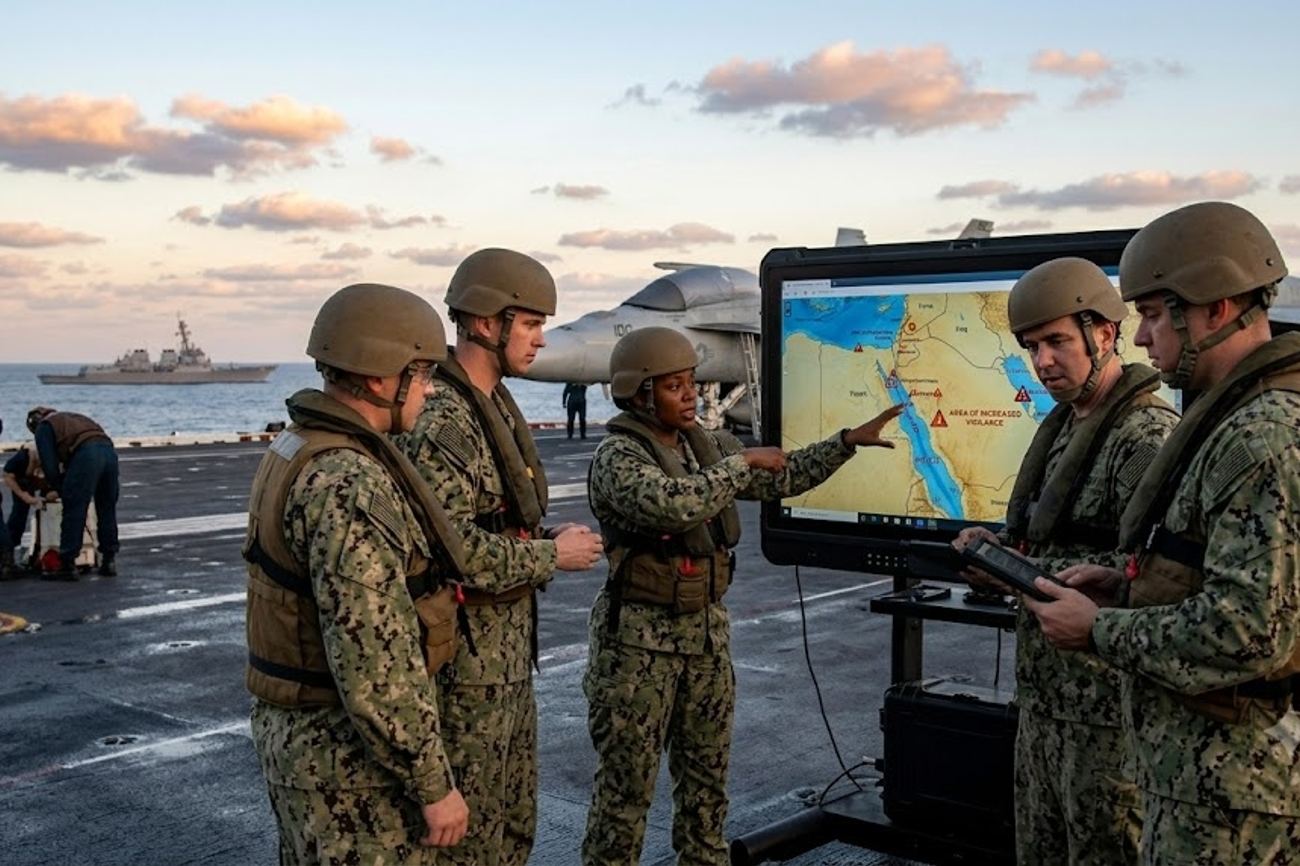
Image generated by AI
[Washington, D.C., May 2024] — The U.S. Department of State has issued urgent worldwide and regional security alerts warning American citizens of imminent airspace closures and large-scale flight cancellations across the Middle East. The advisory follows a sharp military escalation characterized by coordinated Houthi missile and drone strikes targeting civilian and energy infrastructure within Saudi Arabia.
The alerts target U.S. expatriates and tourists currently located in or planning travel to West Asia. Washington officials warn that the volatile security environment, driven by Iranian-backed Houthi rebels, could trigger a broader regional conflict. The U.S. government is urging all citizens to exercise extreme caution as the threat of retaliatory strikes remains high and airspace safety calculations change by the hour.
Houthi Projectile Barrages and Infrastructure Strikes
The current crisis was triggered by a coordinated offensive launched by Iranian-backed Houthi forces. These attacks utilized a combination of ballistic missiles, cruise missiles, and explosive drones specifically aimed at commercial hubs and energy facilities.
The most critical strikes targeted the Saudi capital, Riyadh, and petroleum installations in Yanbu. While Saudi air defense systems successfully intercepted a ballistic missile over Riyadh, the engagement resulted in heavy explosions and visible plumes of black smoke near major transport hubs. These attacks on civilian airports and oil infrastructure represent a significant escalation that threatens not only regional stability but also global energy markets and international commerce.
Regional Impact and Advisory Levels
The U.S. Department of State has categorized the risk levels for several nations, mandating specific behaviors for American citizens based on the severity of the threat.
| Country | Advisory Level | Primary Risk Factor |
|---|---|---|
| Yemen | Level 4: Do Not Travel | Severe armed conflict, terrorism, and civil unrest |
| Saudi Arabia | Level 3: Reconsider Travel | Persistent ballistic missile and drone threats |
| Israel | Level 3: Reconsider Travel | Cross-border regional tensions and security volatility |
| UAE, Qatar, Oman, Kuwait, Bahrain, Jordan, Iraq, Lebanon | Heightened Vigilance | General regional instability and secondary threats |
In addition to the specific levels listed above, diplomatic missions across all mentioned territories have increased their internal security postures. Regional governments are currently deploying defensive countermeasures; however, officials warn that civilian zones remain vulnerable to falling interceptor debris resulting from these engagements.
What This Means for Travelers
For passengers currently booking or holding tickets in the region, the corporate warnings translate into immediate operational risks. The primary impact is the unpredictability of the aviation network.
Flight Operations and Airspace While commercial flights out of Saudi Arabia and neighboring states are technically operational, the Federal Aviation Administration (FAA) and local civil aviation authorities may mandate sudden airspace restrictions. Travelers should expect:
- Severe schedule delays and erratic route diversions.
- Last-minute cancellations without prior notice.
- A reliance on direct airline communication rather than automated airport departure boards, which may lag behind real-time security closures.
Personal Safety and Logistics The U.S. government is urging travelers to avoid non-essential movement, particularly near military or governmental installations. Because asymmetric warfare makes civilian zones vulnerable, the risk of collateral damage from intercepted projectiles is a primary concern for those in urban centers like Riyadh.
Required Administrative Actions The State Department emphasizes that travelers must register with the Smart Traveler Enrollment Program (STEP). This allows the U.S. embassy to communicate emergency information and locate citizens during a sudden evacuation or airspace shutdown. Travelers are advised to maintain flexible contingency plans and open communication lines with family members.
Future Outlook and Escalation Risks
Security analysts warn that the current cycle of hostilities is likely to provoke counter-offensives, creating a persistent state of instability. This environment makes long-term travel planning for expatriates nearly impossible, as the threat of a wider conflict involving Tehran and its proxy networks remains high.
The immediate focus for international aviation is the stability of the corridors connecting West Asia to Europe and Asia. If Houthi forces continue to target aviation infrastructure, more nations may shift their flight paths, leading to increased fuel costs, longer flight durations, and further capacity constraints across the Middle East.
Travelers are encouraged to monitor official updates from the U.S. Department of State for any changes in advisory levels or emergency evacuation orders.
FAQ: Middle East Travel Alerts 2024
Should I cancel my flight to Saudi Arabia right now? The U.S. government classifies Saudi Arabia as Level 3: Reconsider Travel. While flights are operational, you should verify your status directly with your airline and have a backup plan for sudden cancellations or airspace closures.
What is the STEP program and why is it necessary? The Smart Traveler Enrollment Program (STEP) is a free service that allows U.S. citizens to register their travel plans. This enables the U.S. Embassy to contact you in an emergency or during a security crisis.
Which countries are currently the most dangerous for U.S. citizens? Yemen is currently the highest risk at Level 4: Do Not Travel. Saudi Arabia and Israel are at Level 3: Reconsider Travel. Other regional nations are under a mandate of heightened vigilance.
Are airports in Riyadh and Yanbu still open? Commercial operations are continuing, but these areas have been specific targets of Houthi strikes. Travelers should avoid lingering near transport hubs and stay clear of government buildings.
Aviation networks remain fragile as geopolitical tensions dictate the flow of global travel.
#SaudiArabia2024 #HouthiAttacks #USStateDepartment #RiyadhAirspace #YanbuEnergy #MiddleEastTravelAlert
Related Travel Guides
- Madagascar Travel Rules Bring Enhanced Health Screening for Visitors Following Ebola Prevention Measures
- Sri Lanka Travel Alert as Powerful Landslide Cuts Off Hatton Bogawantalawa Route and Disrupts Hill Country Journeys
- UAE And Qatar Endure a Devastating Middle East Travel Warning Dragging Iraq and Other Countries into Disruptions Amid US Alerts
Disclaimer
This article is for informational and educational purposes only. It does not constitute legal, financial, or professional advice. While we strive to provide accurate and up-to-date information, travel policies, regulations, and conditions change rapidly. Always verify information with official sources before making travel decisions. Nomad Lawyer makes no representations about the accuracy, reliability, completeness, or suitability of the information provided. Readers should consult qualified professionals for advice specific to their circumstances. The views expressed in this article are those of the author and do not necessarily reflect the views of Nomad Lawyer.
Preeti Gunjan
Contributor & Community Manager
A passionate traveller and community builder. Preeti helps grow the Nomad Lawyer community, fostering engagement and bringing the reader experience to life.
Learn more about our team →