
Madagascar Travel Rules Bring Enhanced Health Screening for Visitors Following Ebola Prevention Measures
Madagascar Travel Rules Bring Enhanced Health Screening for Visitors Following Ebola Prevention Measures

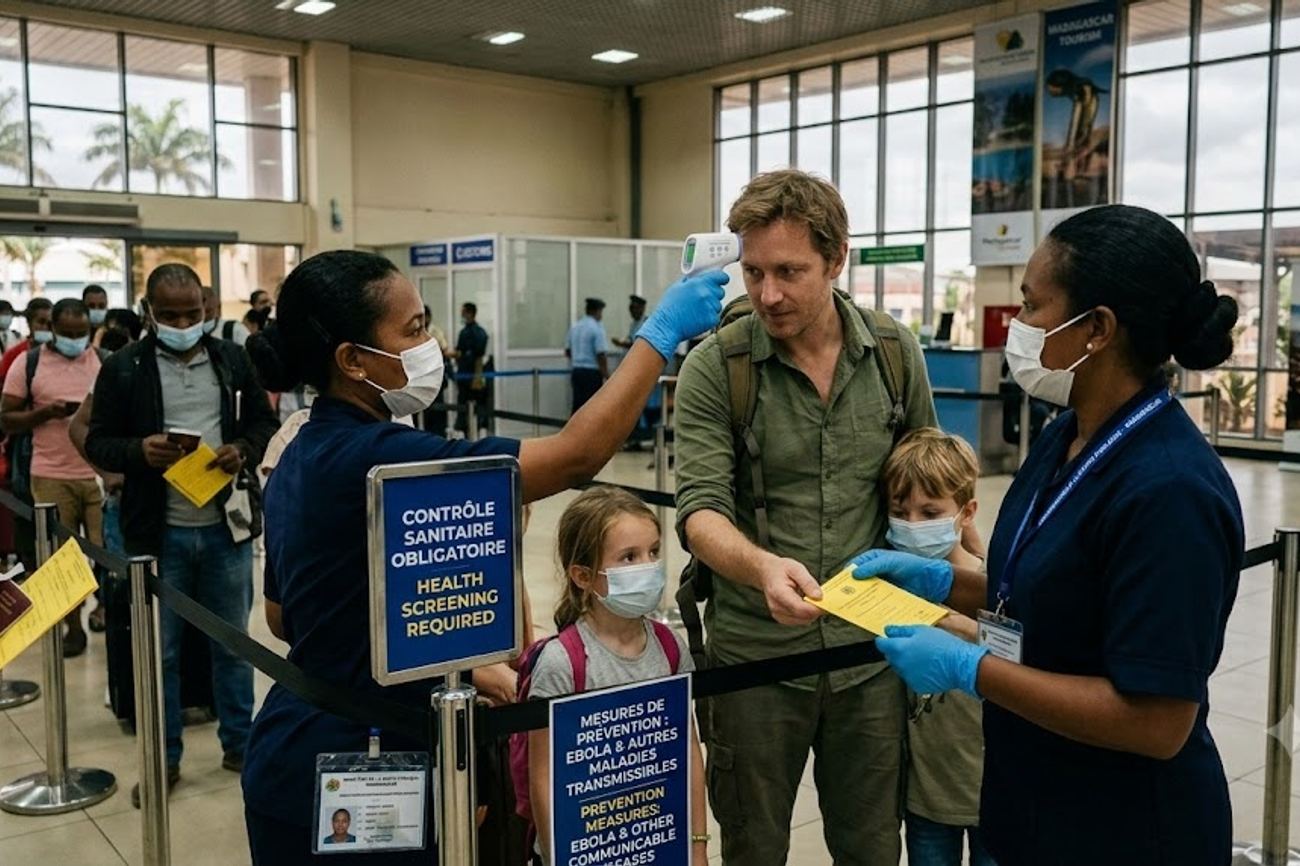
Image generated by AI
While Madagascar has historically maintained open border policies for tourism, the current shift toward mandatory health declarations and transit-based entry restrictions marks the most aggressive border-health pivot in the region since the 2014-2016 West African Ebola outbreak. This transition from a passive monitoring system to an active, multi-agency screening protocol—coordinated on 14 August 2026—signals a strategic shift in how island nations are insulating themselves from mainland continental health crises.
The Ebola Prevention Protocol in Numbers
The current regulatory framework established by the Madagascar Ministry of Public Health is not a reaction to a domestic outbreak, but a preemptive strike against importation. The operational core of this strategy is the 21-day window. This specific timeframe is derived from the maximum incubation period of the Ebola virus, meaning any traveler who has stepped foot in or transited through an affected zone within the last three weeks is now categorized as a high-risk arrival.
The scale of this intervention is comprehensive. Every single person entering the country is now subject to a Health Declaration Form and enhanced screening. Unlike the digital transformation seen in most global hubs, this process remains analog. The absence of a digital portal means that 100% of the administrative burden is shifted to airlines, shipping companies, or the point of arrival.
Furthermore, the government has expanded the oversight of these borders. The coordination meeting in Antananarivo on 14 August 2026 involved a seven-sector coalition: health, tourism, foreign affairs, transport, internal affairs, border management, and emergency response. This indicates that the measures are integrated into the national security apparatus rather than being treated as a mere medical guideline.
Comparative Border Management Context
When compared to previous health crises, Madagascar's current approach is more restrictive regarding transit history than typical tourism-led policies. Historically, many nations focused on the point of origin; however, the current mandate specifically targets "transit through" affected countries. This means a traveler flying from London to Antananarivo via an affected hub is treated with the same scrutiny as someone originating from that hub.
The following table illustrates the shift in entry requirements and the resulting operational impact on different traveler categories:
| Requirement/Category | Previous Standard Protocol | Current Ebola Prevention Protocol (2026) | Impact Level |
|---|---|---|---|
| Health Documentation | Optional/Selective | Mandatory Health Declaration Form (All) | High |
| Screening Process | Routine Customs/Immigration | Enhanced Health Screening on Arrival | Medium |
| Transit Window | Origin-based checks | 21-day history (including transit) | High |
| General Foreign Nationals | Open Entry | Entry Suspended if in affected zone (21 days) | Critical |
| Exempt Personnel | Standard Entry | Mandatory 21-day Quarantine & Monitoring | Critical |
| Form Delivery | Digital/Online Portals | Physical (Airlines/Shipping/Arrival) | Medium |
This shift mirrors broader patterns observed by the World Health Organization (WHO) and IATA regarding the "fortress" approach to island biosecurity. By implementing these checks, Madagascar is attempting to avoid the economic devastation that accompanies a localized outbreak, prioritizing long-term stability over short-term ease of access.
What This Means for Travelers
For the individual traveler, these data points translate into significant logistical risks. The most critical takeaway is the "Analog Gap." Because there is no digital form, travelers cannot "pre-clear" their entry. This adds an unpredictable time variable to arrival procedures at airports like Ivato International.
If you are planning a multi-country African itinerary for the remainder of 2026, you must map your route with a 21-day retrospective lens. A brief layover in a country deemed "affected" by the Ministry of Public Health could lead to an immediate denial of entry. It is no longer sufficient to check your passport validity; you must now audit your transit history.
For corporate travelers, diplomats, and NGO workers, the "Exemption Trap" is a primary financial concern. While these individuals are permitted entry despite recent travel to affected zones, they are subject to a 21-day mandatory quarantine. Crucially, the UK government has clarified that all costs for accommodation, food, and transport during this period are the responsibility of the traveler. For a corporate entity, this transforms a short business trip into a three-week unplanned expenditure.
Forward Projection: The Biosecurity Trajectory
Based on the current trajectory, we can expect Madagascar to move toward a "Green List" system of approved transit hubs. As the epidemiological situation evolves, the definition of "affected countries" will fluctuate. We are seeing a trend where nations are increasingly utilizing real-time data from providers like Statista or government health reports to update entry lists weekly.
The reliance on physical forms is likely a temporary bottleneck. As the volume of screenings increases, the pressure on border management to digitize these declarations will grow to prevent airport congestion. However, until a digital portal is announced, the operational risk remains high for those who do not coordinate closely with their carriers.
The integration of seven different government ministries into this response suggests that Madagascar is building a permanent "Health Border Infrastructure." This is not a temporary spike in regulation but the establishment of a new baseline for entry. Future threats—whether viral or bacterial—will likely be managed through this same multi-agency framework.
FAQ: Madagascar Entry Requirements 2026
Will my flight be canceled if I have transited through an affected country? Airlines may not cancel the flight, but Madagascar authorities may deny you entry upon arrival. You should verify your 21-day travel history with your carrier before departure to avoid being turned away at the border.
Is there an online portal to submit my health declaration? No. Current data from Australian and UK authorities confirms the form is not available digitally. It is provided by airlines, shipping companies, or distributed upon arrival in Madagascar.
Who is exempt from the entry suspension? Malagasy nationals, foreign residents, diplomats, and holders of valid work or student visas are generally exempt from the suspension but must undergo a mandatory 21-day quarantine and health monitoring period.
Are these measures a sign that Ebola is present in Madagascar? No. Official statements from the Ministry of Public Health confirm these are preventive border controls designed to stop the virus from entering the country; there is no reported outbreak within Madagascar.
The era of frictionless island travel is yielding to a data-driven biosecurity model where your transit history is as important as your visa.
#MadagascarHealthScreening2026 #EbolaPreventionProtocol #BorderBiosecurityTrends #AfricanTransitRestrictions #IvatoAirportRegulations
Related Travel Guides
- Sri Lanka Travel Alert as Powerful Landslide Cuts Off Hatton Bogawantalawa Route and Disrupts Hill Country Journeys
- UAE And Qatar Endure a Devastating Middle East Travel Warning Dragging Iraq and Other Countries into Disruptions Amid US Alerts
- Wisconsin Moves With Michigan as US Flooding Forecast Raises Flash-Flood Risks Across Key Travel Regions
Disclaimer
This article is for informational and educational purposes only. It does not constitute legal, financial, or professional advice. While we strive to provide accurate and up-to-date information, travel policies, regulations, and conditions change rapidly. Always verify information with official sources before making travel decisions. Nomad Lawyer makes no representations about the accuracy, reliability, completeness, or suitability of the information provided. Readers should consult qualified professionals for advice specific to their circumstances. The views expressed in this article are those of the author and do not necessarily reflect the views of Nomad Lawyer.
Naina Thakur
Contributor & Travel Specialist
Travel enthusiast and legal writer covering visa regulations, responsible tourism, and cultural journeys across global destinations.
Learn more about our team →