US Suspends Government Travel to Mexicali Mexico Following Security Alert August 2026

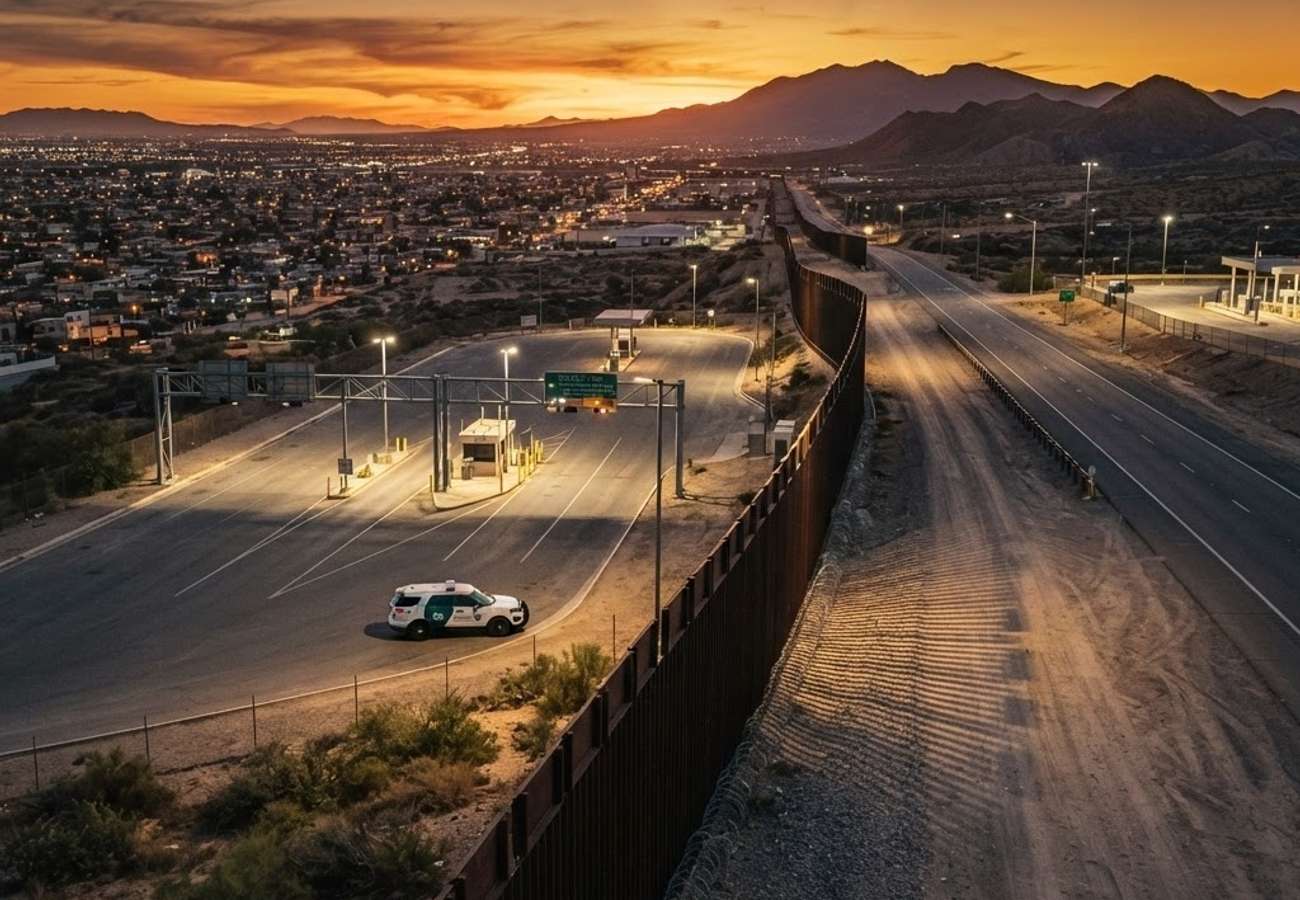
Image generated by AI
US government activities and official travel to Mexicali were suspended on August 25, 2026, following a security alert regarding potential threats to US interests. This localized pause highlights a shift toward intelligence-driven, city-specific restrictions rather than blanket national warnings.
The U.S. Mission to Mexico and the U.S. Consulate in Tijuana have confirmed a targeted suspension of government operations in Mexicali, the capital of Baja California. While the nature of the threat remains unspecified, the immediate halt of official travel on August 25 underscores a heightened sensitivity to localized risks in northern border cities.
For the private traveler, this move serves as a critical indicator. While the suspension specifically targets government personnel, the U.S. Department of State typically suggests that private citizens use government movement restrictions as a benchmark for their own risk tolerance.
A Pattern of Localized Security Shifts
The situation in Mexicali is not an isolated incident but part of a broader trend of rapid, intelligence-led posture changes across Mexico. Earlier in August 2026, a similar temporary halt occurred in the state of Michoacán, where U.S. government operations—including critical agricultural inspections for avocado exports—were paused due to threats against American interests.
These events illustrate a fragmented security environment. Rather than a uniform risk level, Mexico's safety profile is currently a patchwork of stability and volatility.
Current US Travel Advisory Framework (2026)
The overarching U.S. Travel Advisory for Mexico remains at Level 2 (Exercise Increased Caution), but the granular data reveals a more complex reality:
| Region/State | Advisory Level | Primary Risk Factors |
|---|---|---|
| National Average | Level 2 | Crime, Kidnapping, Terrorism |
| Quintana Roo / Jalisco | Moderate | Opportunistic Crime |
| Michoacán / Tamaulipas | Level 3 or 4 | Organized Crime, Targeted Violence |
| Mexicali (August 25) | Targeted Alert | Unspecified Threat to US Interests |
The inclusion of "terrorism" in recent advisory updates is specifically tied to the designation of certain cartels as foreign terrorist organizations. This does not imply a generalized threat to every tourist but highlights the risk of collateral harm in regions where these groups maintain operational control.
Cultural & Environmental Value: Navigating Baja California
For the visitor, the real impact of these alerts is the need for extreme agility. Baja California offers immense cultural value—from the vineyards of Valle de Guadalupe to the urban energy of Mexicali—but accessing these requires a deep understanding of regional dynamics.
The trend toward "micro-alerts" means that a traveler could be in a safe zone one day and a restricted zone the next. Supporting the local economy now requires a commitment to "slow travel"—staying in community-run guesthouses and utilizing local guides who have real-time knowledge of road closures or neighborhood shifts. This direct support of local economies helps maintain the social fabric in areas often overshadowed by security headlines.
Visitor Insider Tips
Navigating the northern border requires more than just checking a government website. To manage risk while exploring Baja California, consider these professional insights:
- The "Golden Window" for Border Crossings: Avoid crossing into Mexicali or Tijuana during peak commuter hours (6 AM – 9 AM and 4 PM – 7 PM). High-congestion areas are more susceptible to opportunistic crime and sudden traffic halts.
- Smart Enrollment: Register for the State Department’s Smart Traveler Enrollment Program (STEP). In 2026, this is the most reliable way to receive push notifications about localized suspensions before they hit mainstream news.
- Local Intelligence: Follow the official social media channels of the Mexican Secretariat of Tourism (Sectur) and local municipal police. They often report road blockages or "bloqueos" hours before international agencies.
- Dining Etiquette: In Mexicali, prioritize "La Chinesca" for authentic culinary experiences, but stick to well-lit, populated areas and avoid venturing into unfamiliar residential sectors after dark.
Tourism Outlook
The long-term impact of these targeted alerts is a move toward "precision tourism." Travelers are increasingly avoiding generic tour packages in favor of flexible, modular itineraries that can be rerouted in real-time.
While the August 25 alert for Mexicali is a temporary measure, it reinforces a permanent shift in how the U.S. and Mexico manage border security. The intersection of economic interests (such as the Michoacán avocado inspections) and security alerts suggests that trade and tourism will remain tightly linked to the geopolitical stability of specific Mexican states.
Stay vigilant, stay flexible, and always prioritize local intelligence over outdated guides.
Related Travel Guides
This article is for informational purposes. Flight routes, passenger regulations, visa rules, and transit advisories are subject to change by airlines and aviation authorities. Readers are advised to verify schedules and travel documentation with relevant carriers and border agencies before departure.
Related Stories

Europe Overhauls Corporate Travel Rules with Biometric Borders, Green Hospitality, and High-Speed Rail

European Mass Protests Disrupt Travel Across France, Italy, Belgium, and Turkey in 2026