
US-Iran Diplomatic Halt: Impact on Middle East Aviation and Tourism
The US suspension of peace talks with Iran triggers regional instability, threatening Middle East aviation costs, cruise itineraries, and tourism confidence.

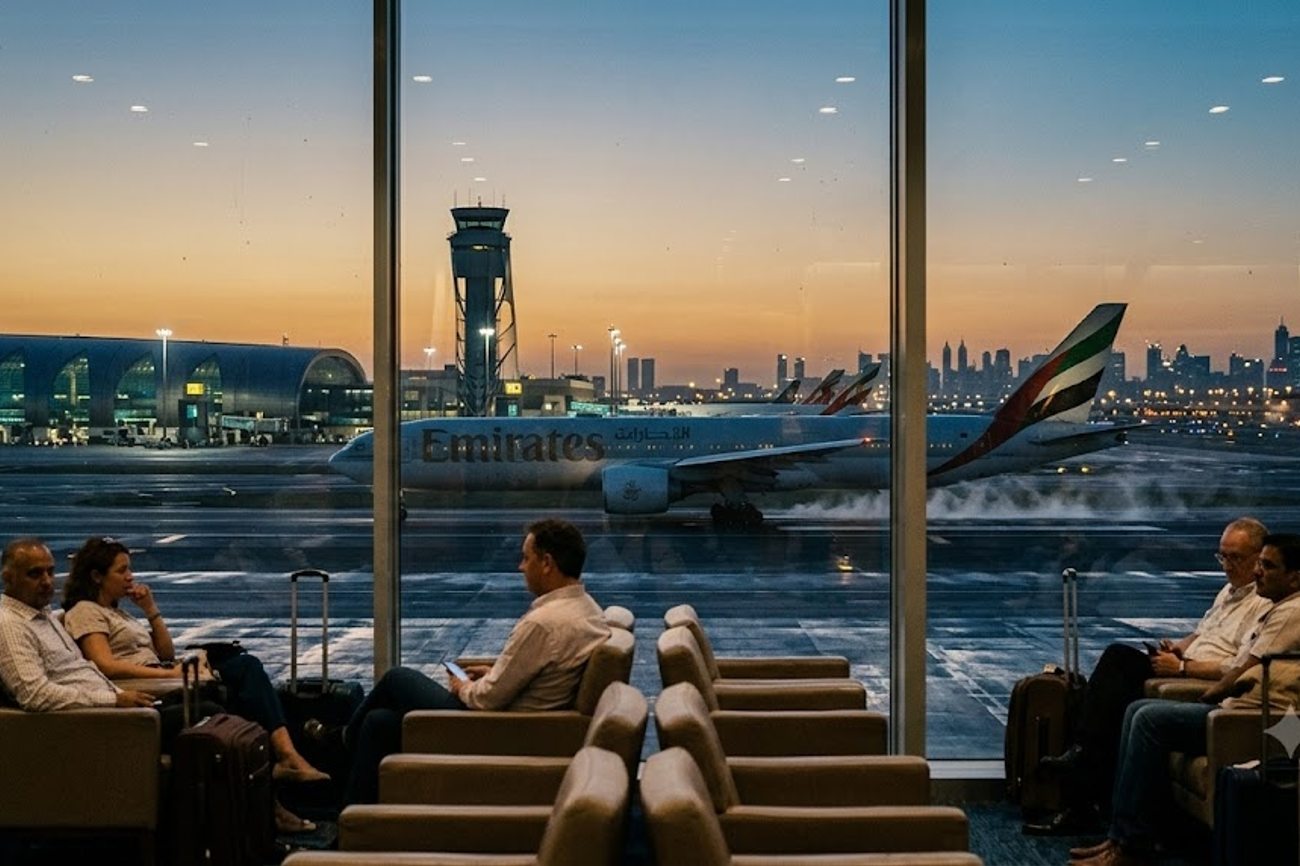
Image generated by AI
US-Iran Diplomatic Freeze Escalates Regional Tourism Risks
The decision by the United States to halt peace talks with Iran has shifted the regional risk profile for the Middle East tourism industry. The suspension is a direct response to increasing attacks on commercial vessels, specifically targeting shipping activity near the Strait of Hormuz.
Although the United Arab Emirates, Qatar, Oman, and Saudi Arabia are not direct participants in the dispute, their geographical reliance on the Strait of Hormuz—a critical global energy artery—exposes them to indirect economic and operational shocks.
Key Facts Breakdown
- Trigger: US suspension of diplomatic talks pending the cessation of attacks on commercial vessels.
- Critical Choke Point: The Strait of Hormuz, connecting the Persian Gulf and the Gulf of Oman.
- Primary Aviation Risks: Increased fuel consumption, longer flight durations due to airspace avoidance, and higher ticket prices.
- Maritime Impact: Potential cruise route adjustments and increased insurance premiums for vessels.
- Affected Hubs: Dubai, Abu Dhabi, Doha, Muscat, and Bahrain.
Tourism Sector Vulnerabilities
| Tourism Sector | Primary Challenge | Operational Impact |
|---|---|---|
| Airlines | Fuel & Airspace | Higher operating expenses; route adjustments |
| Hotels | Booking Volatility | Temporary uncertainty in international reservations |
| Cruise Tourism | Maritime Security | Passenger anxiety; itinerary revisions |
| Events/MICE | Corporate Caution | Reduced business travel and event planning |
| Luxury Travel | Decision Delays | Postponed high-spend holiday bookings |
Why This Matters: Industry Analysis
From a logistical perspective, this is not merely a diplomatic stalemate; it is a threat to the "hub-and-spoke" aviation model that defines the Gulf. Our analysis of the region's connectivity indicates that any perceived instability in the Strait of Hormuz triggers a disproportionate reaction in international traveler sentiment.
For travelers on these routes, the real impact is not immediate danger, but increased friction. When airlines reroute to avoid sensitive airspace, fuel burn increases. In a market where margins are thin, these costs are passed directly to the passenger. Furthermore, cruise operators are historically hyper-sensitive to maritime security headlines. A shift in itineraries away from the Gulf would not only hit cruise lines but would starve the local port economies—restaurants, transport services, and attractions—that rely on high-volume passenger spending.
Industry Outlook
The trajectory of Middle East tourism now depends on the stability of maritime shipping lanes. We expect to see:
- Aggressive Reassurance Campaigns: Saudi Arabia and the UAE will likely increase marketing spend to emphasize visitor safety and the neutrality of their borders.
- Insurance Hikes: A projected rise in travel and maritime insurance premiums for any itinerary touching the Persian Gulf.
- Diversification of Entry Points: A potential shift toward increasing land-based or alternative maritime entries to reduce reliance on the Strait of Hormuz.
Internal Link Suggestions:
- Analysis of Gulf Aviation Hub Connectivity
- Impact of Geopolitical Volatility on Luxury Travel Trends
- Maritime Security Protocols for Global Cruise Lines
Related Travel Guides
Disclaimer
This article is for informational and educational purposes only. It does not constitute legal, financial, or professional advice. While we strive to provide accurate and up-to-date information, travel policies, regulations, and conditions change rapidly. Always verify information with official sources before making travel decisions. Nomad Lawyer makes no representations about the accuracy, reliability, completeness, or suitability of the information provided. Readers should consult qualified professionals for advice specific to their circumstances. The views expressed in this article are those of the author and do not necessarily reflect the views of Nomad Lawyer.
Kunal K Choudhary
Co-Founder & Contributor
A passionate traveller and tech enthusiast. Kunal contributes to the vision and growth of Nomad Lawyer, bringing fresh perspectives and driving the community forward.
Learn more about our team →