
Caribbean Tourism Under Pressure as Oil Prices Hit $96 per Barrel
Global oil prices hitting $96 per barrel have triggered fuel cost increases exceeding 5% across multiple Caribbean nations, threatening the region's tourism r

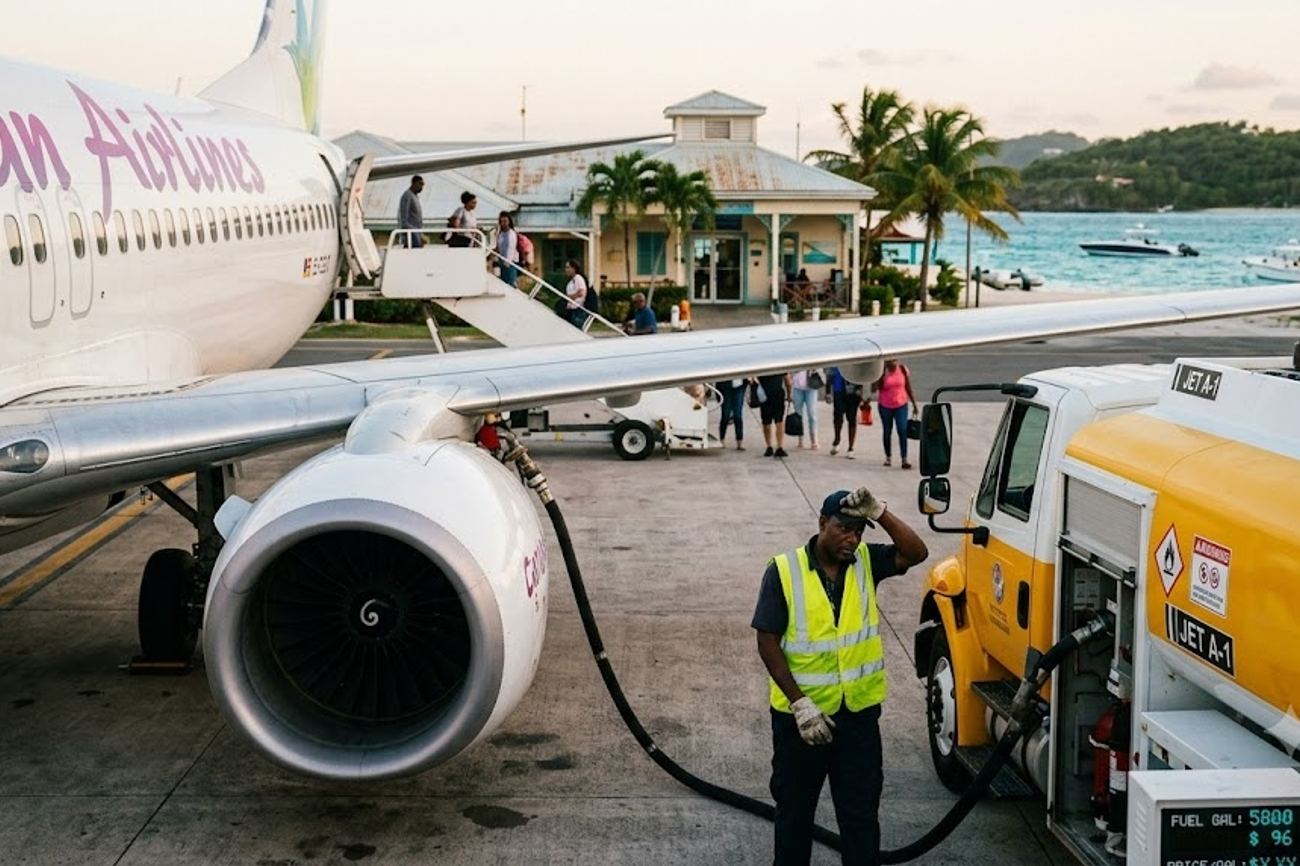
Image generated by AI
Middle East tensions have pushed global oil prices to $96 per barrel, creating a systemic shock for Caribbean economies that rely heavily on imported fuel. Because small island states lack the domestic production buffers of larger economies, the price surge is translating directly into higher costs for aviation, cruise operations, and hospitality.
The impact is most acute in the aviation sector, where fuel represents a primary operating expense. Carriers, including Caribbean Airlines, have historically utilized fuel surcharges to mitigate these spikes. As ticket prices rise, the region faces a competitiveness crisis, as travelers may pivot to more affordable destinations or reduce their overall spending.
Beyond air travel, the hospitality sector is facing margin compression. Resorts and hotels depend on fuel-derived electricity for air conditioning, industrial kitchens, and water systems. In nations like Puerto Rico and Jamaica, these rising utility costs are forcing operators to choose between absorbing losses or raising guest rates.
Fuel Cost Increase by Nation
| Country | Approx. Fuel Cost Increase | Primary Tourism Challenge |
|---|---|---|
| Haiti | +29.5% | Transport costs & visitor affordability |
| Guyana | +23.5% | Domestic travel & logistics |
| Puerto Rico | +20% | Energy costs & aviation operations |
| Jamaica | +16.8% | Transport & resort overhead |
| Grenada | +13.1% | Small economy pressure |
| Belize | +11.6% | Marine & eco-tourism transport |
| Suriname | +9.3% | Import & operating expenses |
| Trinidad & Tobago | Minimal | Domestic energy production buffer |
| Barbados | Limited | Government mitigation measures |
| Saint Lucia | Limited | Fuel support measures |
Regional Impact Analysis
Puerto Rico & Jamaica Puerto Rico's heavy reliance on US mainland connectivity makes it highly sensitive to aviation fuel spikes. Simultaneously, Jamaica is seeing increased costs across its supply chain, specifically affecting airport transfers and excursions in hubs like Montego Bay, Negril, and Ocho Rios.
The Bahamas & Cruise Logistics As a premier cruise destination, The Bahamas is exposed to the volatility of marine fuel. Since cruise ships consume massive quantities of fuel, price hikes often lead to increased ticket costs and potential shifts in route planning by global cruise lines.
Belize & Grenada In Belize, the impact is felt most in the eco-tourism and marine sectors, where boat tours and remote transfers are fuel-intensive. Grenada, as a smaller economy, faces a compounded effect where fuel increases drive up the cost of food delivery and basic utilities.
Traveler Logistics Guide
From a ground-level perspective, the best way to navigate this period of price volatility is to shift booking strategies and transport choices.
- Flight Booking: To avoid sudden fuel surcharges, book "all-in" fares rather than basic economy tickets that allow for flexible pricing. Monitor regional carriers for the introduction of seasonal fuel levies.
- Ground Transport: In Jamaica and Puerto Rico, avoid on-demand airport taxis which are the first to implement fuel premiums. Pre-arrange shuttles or utilize integrated resort transfers to lock in rates.
- Cruise Planning: If booking a Caribbean itinerary, check if your cruise line has a "fuel hedge" policy or if they reserve the right to add a fuel surcharge post-booking.
- Digital Transit Policies: Travelers entering the region should ensure all digital entry forms and customs declarations are completed prior to arrival to minimize time spent in idling airport queues, though this is a matter of efficiency rather than cost.
Infrastructure Impact Assessment
The current energy crisis highlights a critical vulnerability in Caribbean infrastructure: the over-reliance on imported fossil fuels. This volatility acts as a ceiling on tourism growth. To maintain long-term competitiveness, regional governments must accelerate the transition to renewable energy grids to decouple tourism operating costs from Middle East geopolitical instability. Until then, the region remains susceptible to "price shocks" that can erase quarterly GDP gains in the tourism sector.
Related Travel Guides
Disclaimer
This article is for informational and educational purposes only. It does not constitute legal, financial, or professional advice. While we strive to provide accurate and up-to-date information, travel policies, regulations, and conditions change rapidly. Always verify information with official sources before making travel decisions. Nomad Lawyer makes no representations about the accuracy, reliability, completeness, or suitability of the information provided. Readers should consult qualified professionals for advice specific to their circumstances. The views expressed in this article are those of the author and do not necessarily reflect the views of Nomad Lawyer.
Raushan Kumar
Founder & Lead Developer
Full-stack developer with 11+ years of experience and a passionate traveller. Raushan built Nomad Lawyer from the ground up with a vision to create the best travel and law experience on the web.
Learn more about our team →