
JR East to Resume Uchibo Line on November 9 as Typhoon Damage Permanently Halts Kururi Line Restoration
JR East will resume Uchibo Line services and the Sazanami express on November 9, 2026, following a full shutdown on November 8, while abandoning repairs on the typhoon-hit Kururi Line.

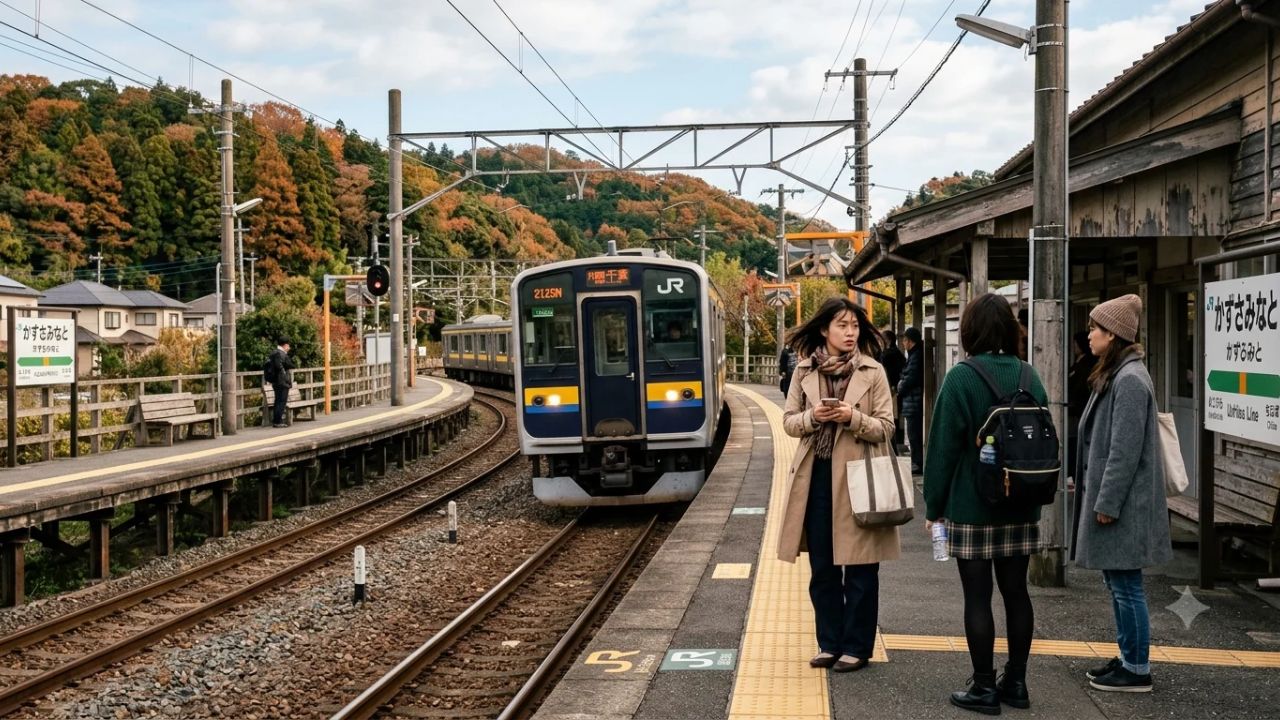
East Japan Railway Company (JR East) has issued a dual-track recovery directive across typhoon-damaged rail corridors in Chiba Prefecture, confirming that passenger train services on the vital coastal Uchibo Line will resume on November 9, 2026, while permanently abandoning reconstruction on the rural southern segment of the Kururi Line.
The comprehensive operational announcement, published on October 23, 2026, follows extensive geotechnical assessments in the aftermath of Typhoon No. 25, which battered the Boso Peninsula with torrential rains and catastrophic embankment failures in September. While the restoration of the Uchibo Line between Anegasaki and Nagaura re-establishes a crucial transit link connecting southern Chiba with the Tokyo metropolitan network, it requires a full-day engineering shutdown between Anegasaki and Kisarazu on Sunday, November 8. Conversely, three massive embankment collapses along the Kururi Line’s 9.6-kilometer rural terminus between Kururi and Kazusa-Kameyama have prompted East Japan Railway Company (JR East) to cancel all reconstruction, accelerating the line’s previously scheduled permanent closure to road-based transit.
Key Dates and Critical Timetable Milestones
Passengers planning transit across Chiba Prefecture, Tokyo Bay, and the Boso Peninsula must navigate a multi-stage operational transition leading into mid-November.
                    JR EAST CHIBA RAIL TRANSITION SCHEDULE (OCT–NOV 2026)
  ========================================================================================
  Date / Milestone       Affected Rail Section             Operating Status & Transit Rules
  ----------------------------------------------------------------------------------------
  Until Nov 7            Uchibo: Anegasaki–Nagaura         Suspended; rail-replacement buses run
  Sunday, Nov 8          Uchibo: Anegasaki–Kisarazu        Full-day shutdown in both directions
  Sunday, Nov 8          Uchibo: Anegasaki–Nagaura         Replacement bus shuttle operating
  Sunday, Nov 8          Uchibo: Nagaura–Kisarazu          NO REPLACEMENT BUSES; transit gap
  Monday, Nov 9          Uchibo: Anegasaki–Nagaura         Full train service resumes (first run)
  Monday, Nov 9          Limited Express Sazanami          All scheduled daily services resume
  Until March 31, 2027   Kururi: Kururi–Kazusa-Kameyama    Replacement buses and taxis operating
  April 1, 2027          Kururi: Kururi–Kazusa-Kameyama    Statutory permanent railway closure
  ========================================================================================
The restoration roadmap provides long-awaited certainty for tens of thousands of daily commuters and leisure travelers visiting coastal resorts along Tokyo Bay, while formally marking the end of conventional passenger rail service in the mountainous heart of Kimitsu City.
The November 8 Engineering Shutdown: A Critical Transit Gap
Before the damaged Anegasaki–Nagaura segment can safely reopen to standard passenger operations on November 9, engineering crews must execute a full-day track overhaul on Sunday, November 8.
Train operations will be halted entirely between Anegasaki and Kisarazu stations in both directions to remove temporary turnback crossovers installed at Nagaura Station during emergency single-track recovery operations.
  NOVEMBER 8 REPLACEMENT TRANSIT GAP:

  [ Anegasaki Station ] ===(Replacement Buses Operating)===> [ Nagaura Station ]
                                                                     |
                                                                     X  (NO BUSES PROVIDED)
                                                                     |
                                                             [ Kisarazu Station ]
  * Crucial Rider Warning: No through-transit by replacement bus between Nagaura and Kisarazu
  * Limited shared-bicycle scheme available between Anegasaki & Nagaura (unsuitable for luggage)
Transit authorities emphasize that road-replacement buses will operate only between Anegasaki and Nagaura on November 8. No replacement bus services will run between Nagaura and Kisarazu.
Travelers attempting through-journeys between Chiba and coastal communities south of Kisarazu (such as Kimitsu, Tateyama, and Chikura) cannot complete their journey via rail replacement along this stretch and must reroute via highway coach services or adjust travel dates.
Restoration of the Limited Express Sazanami
A major operational milestone accompanying the November 9 reopening is the full reinstatement of the Limited Express Sazanami.
Connecting Tokyo Station directly with Kimitsu and Tateyama via the Keiyo and Uchibo lines, the Sazanami serves as the primary direct rail link for business travelers and international tourists exploring the western coastline of the Boso Peninsula. All scheduled weekday and weekend Sazanami departures will resume normal operations from the first morning departure on November 9, drastically reducing travel times between central Tokyo and Tokyo Bay resort destinations.
Permanent Abandonment of the Kururi–Kazusa-Kameyama Line
In stark contrast to the Uchibo Line’s recovery, JR East confirmed the permanent cessation of railway operations across the southern 9.6-kilometer section of the Kururi Line.
  KURURI LINE DIVERGENT TRANSIT STRUCTURE:

  [ Kisarazu Hub ] =====(Active Rail Service Resumed Oct 2)=====> [ Kururi Station ]
                                                                          |
                 +========================================================+
                 |
                 v  (9.6 km Abandoned Segment)
  [ Three Major Embankment Collapses: Kazusa-Matsuoka to Kazusa-Kameyama ]
                 |
                 v  (Road Replacement Only)
  [ Replacement Buses & Taxis Active Through March 31, 2027 ]
                 |
                 v  (Statutory Closure Under MLIT Article 28-2)
  [ Permanent Transition to Kimitsu Municipal Bus Network (April 1, 2027) ]
A detailed engineering inspection revealed three catastrophic embankment washouts between Kazusa-Matsuoka and Kazusa-Kameyama stations. Restoring the trackbeds would require heavy geotechnical earthworks, slope stabilization, and drainage engineering taking an estimated six months from commencement.
The decision not to rebuild was heavily influenced by the line's pre-existing administrative closure timeline:
- Statutory Filing with MLIT: On March 9, 2026, JR East submitted formal documentation to the Ministry of Land, Infrastructure, Transport and Tourism (MLIT) under Article 28-2 of the Railway Business Act, establishing April 1, 2027, as the statutory date for discontinuing passenger rail operations.
- Extreme Low Passenger Density: During the 2024 financial year, the Kururi–Kazusa-Kameyama section carried an average passenger density of just 76 passenger-kilometers per day, representing one of the lowest utilization rates across the entire JR East network.
- Transition to Community Mobility: Under a basic agreement signed on February 16, 2026, between JR East and Kimitsu City, the municipality had already committed to replacing the railway with an integrated municipal micro-transit and road feeder system.
Because repairing the embankment washouts would consume the entire remaining operational lifespan of the railway, JR East determined that multimillion-yen reconstruction was economically and operationally unfeasible. Regular passenger trains will never return to the Kazusa-Kameyama terminus.
Replacement Road Transit Through March 2027
To ensure rural mobility for elderly residents, students, and eco-tourists heading to Kameyama Lake, JR East will operate coordinated replacement buses and shared taxis between Kururi and Kazusa-Kameyama through March 31, 2027.
International travelers holding Japan Rail Passes or JR East Passes must note that while the train ride from Kisarazu to Kururi remains covered, onward replacement road transit may require separate ticketing or local verification, as regional bus networks transition toward municipal governance.
Ongoing Chiba Rail Network Restrictions
While the Uchibo Line's main artery prepares to reopen, JR East's Kanto operations center confirms that several connecting lines continue to operate under reduced emergency timetables following Typhoon No. 25:
| Rail Corridor | Current Service Status | Capacity Level / Operating Frequency |
|---|---|---|
| Uchibo Line (Chiba–Anegasaki) | Active with reduced timetable | ~30% normal service in peak hours; ~70% during daytime |
| Uchibo Line (Anegasaki–Nagaura) | Suspended until Nov 9 | Replacement buses running (except Nov 8 gap) |
| Uchibo Line (Nagaura–Kisarazu) | Reduced operational timetable | Approx. 2 trains per hour in each direction |
| Uchibo Line (Kisarazu–Awa-Kamogawa) | Reduced regional timetable | Operating at approx. 50% of normal service levels |
| Kururi Line (Kisarazu–Kururi) | Fully operational since Oct 2 | Standard regional single-track DMU operations |
| Kururi Line (Kururi–Kazusa-Kameyama) | Permanently discontinued | Replacement buses and shared taxis until March 31, 2027 |
| Sotobo Line (Chiba–Oami) | Partial cancellations | Check real-time digital departure boards |
Tourism Implications for the Boso Peninsula
The contrasting rail recovery outcomes will reshape visitor flows across Chiba Prefecture, as highlighted by Chiba Prefectural Government Tourism and the Japan National Tourism Organization (JNTO):
- Revitalized Coastal Tourism: Reopening the Uchibo Line and Sazanami express unlocks access for autumn leaf viewing and coastal hiking around Mount Nokogiri (Nokogiriyama), the Tateyama castle gardens, and coastal hot spring resorts.
- Inland Rural Ecotourism Adjustments: Visitors seeking autumn foliage around Kameyama Lake and hiking trails near Mount Kiyosumi must plan transfers carefully at Kururi Station, factoring in smaller vehicle capacities and distinct bus departure points.
Travelers navigating Chiba Prefecture through mid-November should verify real-time train status via JR East’s digital smartphone portals, double-check November 8 connection gaps, and prepare for a seamless transition into normalized coastal rail operations starting November 9.
Frequently Asked Questions
When will the Uchibo Line reopen between Anegasaki and Nagaura?
JR East expects passenger train service to resume starting from the first scheduled morning train on Monday, November 9, 2026.
Why is there a full-day train suspension on the Uchibo Line on November 8?
Trains are suspended all day between Anegasaki and Kisarazu on Sunday, November 8, to allow engineering crews to dismantle temporary track turnaround equipment installed at Nagaura Station.
Is replacement transport provided between Nagaura and Kisarazu on November 8?
No. Replacement buses will operate only between Anegasaki and Nagaura on November 8. No replacement bus service will be provided between Nagaura and Kisarazu.
Why will the Kururi–Kazusa-Kameyama railway line never reopen?
Typhoon No. 25 caused three major embankment collapses requiring six months of repairs. Because the line was already legally scheduled to permanently close on April 1, 2027, JR East cancelled reconstruction, maintaining replacement buses and taxis until March 31, 2027.
Related Travel Guides
- Italy Extends Olbia Railway Terminal Changes Through December 2026: Sardinia Rail Travel Guide
- Toronto, Hamilton, and Burlington Face Major Ontario Rail Travel Disruptions as Metrolinx Halts Lakeshore West GO Trains for Weekend Upgrades
- Vietnam Partners with China and Regional Powers to Transform Winter into Record Cultural Tourism Success
Disclaimer
This article is for informational and educational purposes only. It does not constitute legal, financial, or professional advice. While we strive to provide accurate and up-to-date information, travel policies, regulations, and conditions change rapidly. Always verify information with official sources before making travel decisions. Nomad Lawyer makes no representations about the accuracy, reliability, completeness, or suitability of the information provided. Readers should consult qualified professionals for advice specific to their circumstances. The views expressed in this article are those of the author and do not necessarily reflect the views of Nomad Lawyer.
Naina Thakur
Contributor & Travel Specialist
Travel enthusiast and legal writer covering visa regulations, responsible tourism, and cultural journeys across global destinations.
Learn more about our team →