
Argentina Hantavirus Surge Triggers Health Alerts and Travel Warnings Across Rural Provinces
Argentina faces a severe hantavirus surge with 101+ cases. Health alerts issued for Central and Northwest regions. Essential safety guide for travelers.

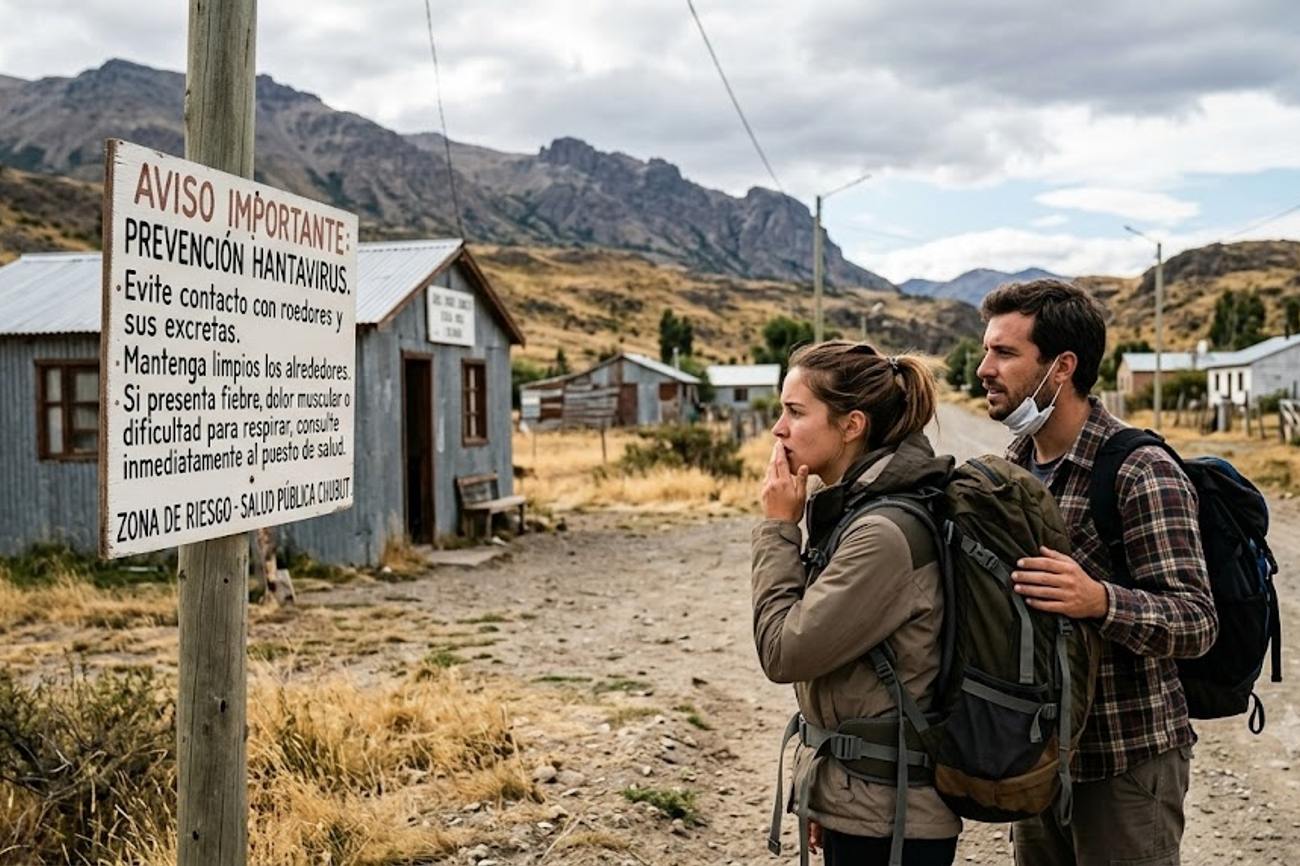
Image generated by AI
Argentina Faces Escalating Public Health Crisis
[Buenos Aires, September 4, 2026] — National health authorities in Argentina have declared an official outbreak of hantavirus after confirmed infection rates surged past previous seasonal benchmarks. The Ministry of Health has identified the central and northwestern regions as the primary epicenters of the crisis, which is disproportionately affecting rural residents and the eco-tourism sector.
Medical reports confirm that the current wave is driven by the Andes virus strain, a potent pathogen capable of causing severe respiratory failure. Health officials are now prioritizing the mapping of transmission routes and the implementation of preventative protocols to curb the spread in isolated Argentinean communities.
The Pathogenesis of the Andes Virus Strain
Hantavirus represents one of the most dangerous zoonotic threats currently active in South America. While European and Asian strains typically result in Hemorrhagic Fever with Renal Syndrome (HFRS), the "New World" strains found in the Americas lead to Hantavirus Pulmonary Syndrome (HPS). This condition is characterized by a rapid onset of non-cardiogenic pulmonary edema, severe hypotension, and cardiogenic shock, often leading to fatality if not treated immediately.
In the Argentine Republic, the Andes orthohantavirus is the primary driver of HPS. First identified in the Patagonia region during the mid-1990s, this specific strain possesses a rare and dangerous trait: the ability for person-to-person transmission. While most hantaviruses are transmitted exclusively from rodents to humans, the Andes strain can spread between individuals, creating clinical clusters within families and healthcare facilities.
The virus is hosted by wild sigmodontine rodents. In the southern Patagonian forests, the long-tailed pygmy rice rat (Oligoryzomys longicaudatus) is the primary reservoir, while Oligoryzomys flavescens carries the virus across the northern subtropical zones and central damp pampas. These rodents shed the virus through saliva, urine, and feces without showing symptoms of illness. Humans typically contract the virus by inhaling aerosolized particles disturbed during the cleaning of unventilated sheds, agricultural work, or the clearing of dense brush.
2025–2026 Epidemiological Data and Case Tracking
The current 2025–2026 surveillance cycle has seen an unprecedented escalation in cases, moving the situation from endemic presence to an active epidemic in several jurisdictions. Data from the Ministerio de Salud de la Nación (Ministry of Health of Argentina) indicates that confirmed cases have now exceeded 101.
| Region | High-Risk Provinces / Districts | Official Status |
|---|---|---|
| Central Region | Buenos Aires, Santa Fe, Entre Ríos | Active Outbreak Status (57%–70% of national total) |
| Northwestern Region | Salta (Orán, Tartagal, General Güemes) | Highest Incidence Rate per capita |
| Southern Patagonia | Río Negro (Bariloche), Chubut, Neuquén | Endemic Danger; Eco-tour exposure warnings |
This spike has prompted the U.S. Centers for Disease Control and Prevention (CDC) to issue a Level 1 Travel Health Notice. The advisory urges visitors—particularly those engaging in camping, trekking, or rural exploration—to exercise high vigilance regarding rodent exposure.
Industry experts suggest the surge is linked to specific climatic shifts. A mild winter followed by heavy seasonal rainfall in major river basins triggered a population explosion of seed-bearing vegetation. This provided an abundance of food for Oligoryzomys species, leading to increased contact between rodents and humans in agricultural and wilderness corridors.
Regional Analysis of Infection Clusters
The outbreak is concentrated across three distinct bioclimatic zones, each with different risk factors and transmission dynamics.
Central Region: The Primary Epicenter
The central territories are currently the most affected, accounting for between 57% and 70% of all national infections. This has led to a formal "situación de brote" (outbreak status) designation.
Buenos Aires Province has recorded the highest volume of Hantavirus Pulmonary Syndrome cases in the country, with more than 42 confirmed infections. These cases are concentrated in the Paraná River Delta, the northern pampas, and rural districts on the perimeter of Greater Buenos Aires.
Northwestern Region: High Per Capita Risk
While the total number of cases may be lower than in the center, the northwestern region—specifically within the province of Salta—shows the highest incidence rate per capita. Districts such as Orán, Tartagal, and General Güemes are under heavy surveillance due to the high risk of exposure in subtropical rural settings.
Southern Patagonia: Eco-Tourism Hazards
In the south, provinces including Río Negro (specifically around Bariloche), Chubut, and Neuquén remain endemic danger zones. The risk here is heavily tied to eco-tourism, where hikers and campers may inadvertently disturb rodent nests in the Patagonian forests.
Why This Matters: Impact on Travel and Safety
For the international traveler, this outbreak transforms a standard trip into a high-risk activity if rural exploration is involved. Unlike common travel ailments, hantavirus has a high mortality rate and requires intensive care hospitalization.
From a logistical standpoint, this means that "off-the-beaten-path" itineraries in Argentina now require strict safety protocols. Travelers should avoid sleeping in rustic, unventilated cabins or camping in areas with visible rodent activity. If a structure has been closed for a long period, it should be ventilated for several hours before entry to allow aerosolized particles to settle or disperse.
For the local economy, the "off-limits" nature of these rural zones during a spike threatens the eco-tourism industry, which relies on the pristine image of the Patagonian and Northwestern landscapes. The transition from a manageable endemic presence to an active outbreak requires a shift in how tourism is managed in these provinces.
Related Travel Guides
Disclaimer
This article is for informational and educational purposes only. It does not constitute legal, financial, or professional advice. While we strive to provide accurate and up-to-date information, travel policies, regulations, and conditions change rapidly. Always verify information with official sources before making travel decisions. Nomad Lawyer makes no representations about the accuracy, reliability, completeness, or suitability of the information provided. Readers should consult qualified professionals for advice specific to their circumstances. The views expressed in this article are those of the author and do not necessarily reflect the views of Nomad Lawyer.
Preeti Gunjan
Contributor & Community Manager
A passionate traveller and community builder. Preeti helps grow the Nomad Lawyer community, fostering engagement and bringing the reader experience to life.
Learn more about our team →