
Aviation Updates: Massive H-2A Visa Labor Mobility Threatened by Terrifying Global Travel Chaos as Flight Cancellations Endanger US Food Supply
As severe airport disruptions and flight cancellations paralyze international routes, the massive US Department of Labor H-2A visa expansion relies desperately on stable aviation networks.

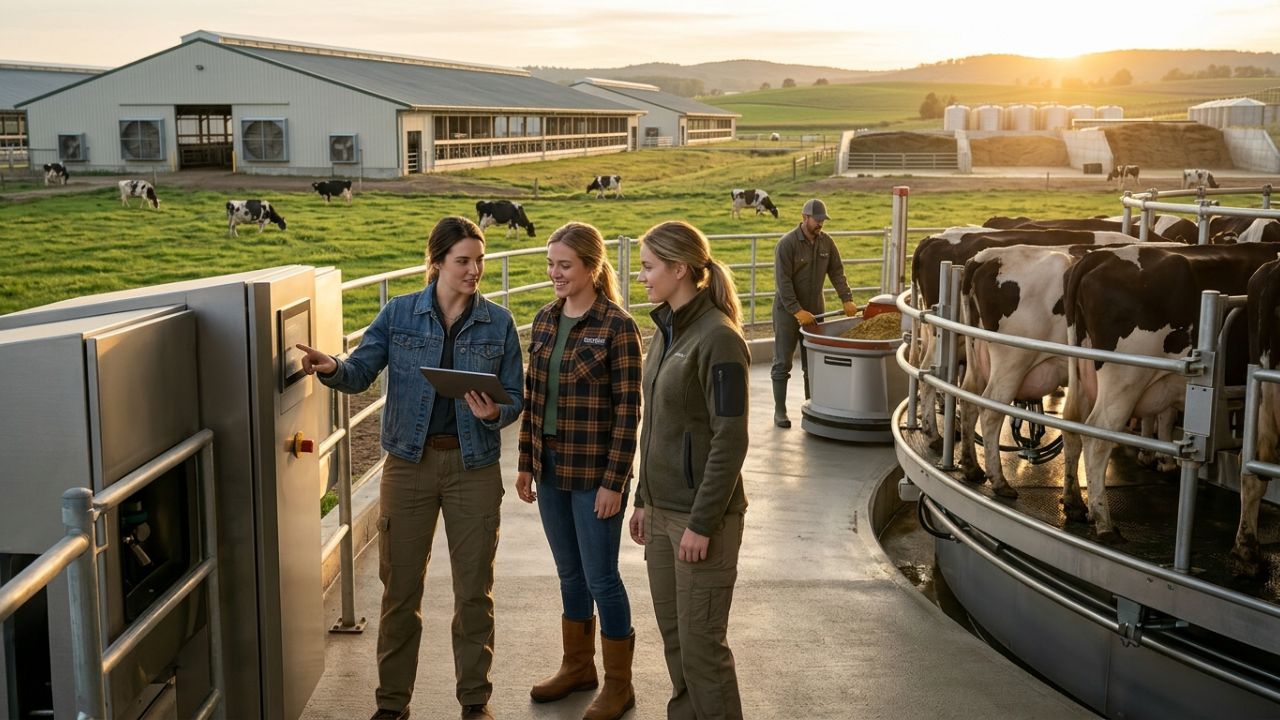
Image generated by AI
Aviation Updates: Massive H-2A Visa Labor Mobility Threatened by Terrifying Global Travel Chaos as Flight Cancellations Endanger US Food Supply
As incredibly severe terminal gridlock and massive international airline failures threaten to completely suffocate the global mobility sector, a massive US Department of Labor H-2A visa expansion is actively relying on deeply fragile aviation networks to fly critical agricultural workers from Mexico, Guatemala, and Honduras to prevent catastrophic domestic food shortages amidst terrifying travel chaos.
While incredibly exhausted global passengers desperately navigate an incredibly brutal peak travel season defined by rolling flight cancellations and severe, localized airport disruptions, a massive, highly strategic logistical operation is actively relying on commercial aviation to stabilize the American food supply. According to the absolute latest breaking airline news, the United States Department of Labor (DOL) has officially executed a massive regulatory shift, modernizing the administrative frameworks governing seasonal and temporary agricultural placement. Desperate to resolve systemic, multi-year staffing deficits that threaten domestic milk supply chains, the US has joined Mexico, Guatemala, Honduras, South Africa, and Canada in strengthening legal agricultural labor pathways. However, this massive H-2A visa dairy farm workforce expansion is heavily reliant on international flights, meaning that the terrifying, rolling aviation gridlock currently paralyzing North and Central American routes serves as a massive existential threat to the successful deployment of this critical workforce.
This highly critical labor mobility policy explicitly exposes the deep, terrifying reliance of the agricultural sector on commercial aviation stability. On one hand, Washington is aggressively broadening eligibility criteria to allow year-round dairy operations to finally utilize the H-2A program. On the other hand, the complete reliance on international commercial flights to transport these workers means that severe travel chaos can instantly destroy the timeline. It completely bypasses the optimistic narrative of simple visa issuance, hinting at deep institutional fears that rolling airport disruptions, massive legacy carrier delays, and systemic airspace gridlock will eventually strand thousands of critical workers in international departure terminals. This unprecedented clash between massive agricultural labor demand and failing commercial aviation networks forces rural farmers and aviation economists into a brutal, high-stakes battle to secure safe passage for these essential personnel.
Aviation Updates: The Aviation Lifeline of the Dairy Sector
This massive, highly structural shift in international labor mobility perfectly illustrates the intense, incredibly fragile nature of modern aviation economics.
According to highly detailed, official aviation updates and agricultural disclosures, this strategic workforce expansion directly intersects with the staggering operational data currently defining international flight routes. The sheer density of global labor transit applies across a vast network encompassing rural farming communities in the United States, drawing talent primarily from Mexico and Central American countries. Because primary connecting hubs like Houston, Miami, and Atlanta are increasingly crippled by rolling travel chaos stemming from systemic aircraft shortages and massive weather delays, conventional wisdom suggested that worker deployment would crash. During this fiscal year's rollout, dairy farmers must actively monitor flight statuses to ensure their incoming labor force is not trapped in an airport terminal, proving that commercial aviation demand acts as an absolute, unbreakable lifeline for the agricultural economy.
Section-Wise Breakdown: Navigating the Labor Transit Gridlock
The sudden, massive evolution of these critical visa maneuvers actively impacts several incredibly distinct, highly sensitive dynamics at the intersection of international travel and rural agriculture.
The Massive H-2A Policy Pivot
At the absolute core of this massive logistical narrative is the total transformation of the federal agricultural guest worker program. Historically, the H-2A program was strictly reserved for explicitly seasonal operations like harvesting crops. Because cows require milking and care every single day of the year, year-round dairy operations found themselves locked out of this critical pipeline. The newest regulatory overhaul changes this dynamic entirely, introducing a targeted H-2A visa expansion. Under the revised framework, specialized, cyclical support roles within the dairy sector now qualify for temporary placement certification.
The Aviation Deployment Vulnerability
While the legal pathway is secure, the physical transportation is terrifyingly vulnerable. The primary catalyst driving these legislative adjustments is a series of escalating, multi-year dairy farm labor shortages. However, when local workforce participation declines, producers rely heavily on flights from Guatemala City, Tegucigalpa, and Mexico City. When sudden flight cancellations strand these workers internationally, they cannot begin the vital, 24/7 care required by massive dairy operations. Animal welfare risks rise and milk production efficiency drops exponentially every day a worker is delayed by a massive commercial airline failure.
The Digital Compliance and Transit Tracking
Operating within the boundaries of federal immigration frameworks requires meticulous record-keeping. This is where advanced farm labor management systems become absolutely indispensable, intersecting directly with flight tracking data. Utilizing specialized software allows operations to track working hours, manage housing inspections, and verify compliance with Adverse Effect Wage Rates (AEWR) upon the worker's physical arrival. Under updated federal protocols, failure to accurately document transit reimbursements for international flights can lead to severe fines and immediate program disqualification.
Flight Details and Verified Disruption Impact Matrix
To fully understand the exact structural parameters of this massive labor mobility shift and how agricultural operations are desperately attempting to navigate complex aviation data, the following matrix explicitly details the policy metrics and transit maneuvers.
Confirmed H-2A Aviation Mobility Impact Matrix
| Agricultural Metric / Policy Event | Massive Aviation Mobility Data | Travel & Disruption Impact |
|---|---|---|
| New US DOL H-2A Guidance | Regulates year-round dairy farm visa mobility. | Highly vulnerable to severe flight cancellations. |
| Partner Nations (Core) | Mexico, Guatemala, Honduras. | Primary international aviation routes utilized. |
| Partner Nations (Extended) | South Africa, Canada. | Cross-border agricultural transit dependencies. |
| Operational Threat | 24/7 dairy milking requirements. | Operations cannot survive rolling airport disruptions. |
| Compliance Standard | AEWR (Adverse Effect Wage Rates). | Tracked strictly alongside commercial flight arrival data. |
Data explicitly reflects the massive, highly structural reliance of the agricultural sector on commercial aviation, directly pitting massive labor deployment against the incredibly severe caution of a fragile global flight network.
Passenger Impact: Stranded Workers and Economic Costs
For the highly demanding agricultural workers actively engaged in this massive global mobility shift, traditional, highly anticipated transit to the US is currently viewed as completely terrifying and incredibly unpredictable.
The immediate enforcement of massive visa approvals reflects the heavy physical burden placed on the exhausted international laborer. Instead of relying absolutely solely on a highly scheduled, predictable journey, H-2A workers are now trapped in a collapsed capacity-managed aviation system where they must endure massive delays. Workers facing massive airport disruptions are forced to seek alternative arrangements, suffering intense anxiety as they wait in crowded Central American terminals. This massive volume of delayed arrivals guarantees persistent high stress for dairy farmers waiting in the US, as the sheer unpredictability of modern travel actually forces farms to execute contingency plans to keep their herds healthy during the gridlock.
Industry Analysis: The Economics of Labor Mobility Sustainability
Aviation and agricultural structural analysts strictly point out that this massive, multi-national deployment completely perfectly illustrates the extreme, highly vital importance of heavily optimized commercial airline capacity.
Agricultural data explicitly indicates that massive domestic food producers are absolutely desperate to secure rapid international flight arrivals to actively combat the terrifying reality of localized labor shortages. Industry observers strongly view this H-2A guidance as the absolute ultimate proof of progressive federal policy. However, the reliance on commercial aviation highlights a deep vulnerability: if severe travel chaos permanently breaks the ability of workers to enter the country reliably, the domestic milk supply will crash violently. When aviation operations are tightly constrained by missing aircraft, relying on a deeply fragile infrastructure completely destroys long-term confidence. By aggressively executing this massive visa expansion, the DOL absolutely ensures legal pathways, but completely fails to insulate its operations from the unpredictable macroeconomic collapse that follows a sustained reduction in global flight capacity.
Conclusion: A Highly Uncertain Mobility Future
The massively evolving visa dynamics directly defining the integration of international labor into the US dairy sector violently reflect a much broader, highly critical structural transformation currently dominating how cross-border mobility is physically managed in 2026.
Rather than violently forcing massive labor forces onto delay-prone legacy airline networks that rely entirely on the fragile health of the global aviation sector, policymakers must actively consider dedicated charter operations. As workers aggressively struggle to clear the airport backlog and permanently alter their transit paths, agricultural employers actively navigating the incredibly busy sector must absolutely remain highly vigilant. To actively survive potential logistical travel chaos, farm managers must aggressively monitor all breaking aviation updates, closely track incoming flight statuses from Mexico and Central America, and perfectly understand that escaping modern macroeconomic disruptions fundamentally requires acknowledging that the success of the H-2A program is entirely dependent on an unpredictable commercial aviation network.
Key Takeaways
- Massive Labor Mobility Pivot: The US Department of Labor massively expands H-2A visa eligibility for year-round dairy farm workers.
- Aviation Dependency: The entire program relies completely on commercial flights from Mexico, Guatemala, Honduras, South Africa, and Canada.
- Funding the Gridlock: Farm operations face severe financial and animal welfare risks when travel chaos and flight cancellations strand incoming workers at international airports.
- Compliance Pressures: Farms must strictly track flight arrivals to ensure they accurately document transit reimbursements and Adverse Effect Wage Rates (AEWR) to avoid massive federal fines.
- The Operational Threat: Unlike seasonal harvesting, dairy cows require 24/7 care, meaning operations cannot survive rolling airport disruptions affecting their workforce.
- Employer Survival Strategy: Agricultural managers are strictly advised to weigh the massive legal benefits of the visa expansion against the terrifying reality that persistent aviation failures can cripple their workforce deployment.
Related Travel Guides
Massive UAE Visa Bombshell: Strict New 30-Day Escape Window Announced
Travel Chaos Cripples Spain as Iberia and Ryanair Suffer 1,079 Delays
Disclaimer
This article is for informational and educational purposes only. It does not constitute legal, financial, or professional advice. While we strive to provide accurate and up-to-date information, travel policies, regulations, and conditions change rapidly. Always verify information with official sources before making travel decisions. Nomad Lawyer makes no representations about the accuracy, reliability, completeness, or suitability of the information provided. Readers should consult qualified professionals for advice specific to their circumstances. The views expressed in this article are those of the author and do not necessarily reflect the views of Nomad Lawyer.
Preeti Gunjan
Contributor & Community Manager
A passionate traveller and community builder. Preeti helps grow the Nomad Lawyer community, fostering engagement and bringing the reader experience to life.
Learn more about our team →