
US Flight Cancellations Reach Four-Year High: Airport Disruption Analysis and Travel Guide 2026

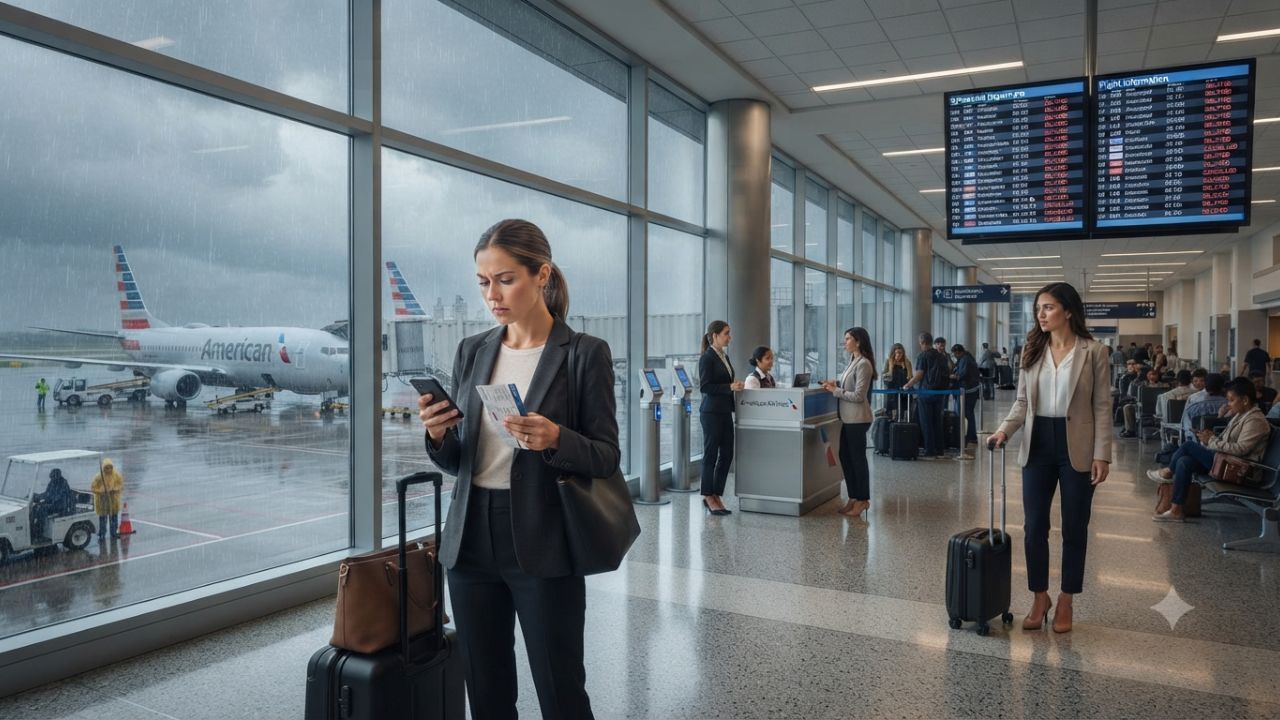
Image generated by AI
Flight cancellations across the United States have reached a four-year high in 2026, creating severe delays and connection bottlenecks across major US airline networks. According to aviation sector analysis highlighted by Stacker Travel, a compounding combination of extreme weather events, air traffic control constraints, aircraft misplacement, and operational hub congestion has elevated flight disruption to levels unseen since 2022.
Major connecting hubs—including Dallas/Fort Worth (DFW), Chicago O’Hare (ORD), Miami (MIA), Denver (DEN), Atlanta (ATL), and the New York metropolitan airport cluster (JFK, EWR, LGA)—are experiencing heightened operational vulnerability. Because US air traffic operates on tightly integrated hub-and-spoke networks, localized schedule disruptions in key corridors rapidly trigger domino-effect cancellations nationwide.
Primary Factors Driving US Aviation Disruption
Systemic pressures across American airspace have increased operational vulnerability across peak travel periods:
| Operational Disruption Driver | Systemic Vulnerability Mechanism | Impact on Air Travelers |
|---|---|---|
| Severe Weather Events | Thunderstorms, winter weather, hurricanes & high winds | Forces safety ground stops & misplaces crews/aircraft |
| Connecting Hub Congestion | High-density schedules at DFW, ATL, ORD, DEN & MIA | Minor incoming delays cascade into missed connections |
| Air Traffic Control Constraints | Regional airspace volume caps & staffing limits | Extended tarmac delays & en-route flight holds |
| Downstream Fleet Positioning | Aircraft tied to multi-leg daily domestic rotations | Out-of-position airframes force next-day cancellations |
Source: Stacker Travel & Federal Aviation Administration (FAA) Network Operations Data.
High-Pressure US Hub Airport Environment
Disruption metrics highlight distinct operational challenges across key US metropolitan aviation hubs:
Dallas/Fort Worth International Airport (DFW)
As one of the world's highest-volume connecting hubs, DFW manages complex multi-bank flight schedules. Recent airport stress rankings identify DFW among the most challenging connection environments due to its physical scale and high exposure to sudden severe weather patterns.
New York Metropolitan Airspace (JFK, EWR, LGA)
Managing John F. Kennedy International Airport, Newark Liberty International Airport, and LaGuardia Airport within a congested airspace corridor makes New York highly susceptible to weather holds. Onward domestic transfers for international passengers frequently face severe schedule shifts.
Chicago O’Hare (ORD) & Miami International (MIA)
Chicago O’Hare’s midcontinent positioning exposes national flight banks to severe seasonal weather shifts, while Miami International functions as the primary US gateway to Latin America and the Caribbean. Interruptions in Miami disrupt international itineraries throughout the Western Hemisphere.
Practical Strategies to Minimize Travel Disruption Risks
While passengers cannot prevent airline schedule cancellations, specific booking and navigation habits lower disruption exposure:
- Book Early Morning Departures: First-wave morning flights experience significantly fewer cumulative delays because aircraft and flight crews are already positioned at departure gates.
- Extend Layover Buffer Windows: Avoid tight 45-minute connecting layovers at major hubs. Opt for 90-minute to two-hour connection windows to absorb incoming flight holds.
- Utilize Digital Airline Alerts: Monitor mobile app notifications and real-time gate alerts, which update faster than terminal departure screens.
- Understand DOT Refund Mandates: Under US Department of Transportation (DOT) regulations, passengers are entitled to a full cash refund if an airline cancels a flight or makes a significant schedule change and the passenger chooses not to travel on the offered alternative.
US Flight Disruption & Airport Passenger FAQ: October 2026
Why are US flight cancellations at a four-year high in 2026? Surging cancellations stem from compounding severe weather events, tight hub scheduling, air traffic control staffing constraints, and crew positioning backlogs across major domestic airlines.
Am I entitled to a cash refund if my flight in the US is cancelled? Yes. Under US Department of Transportation rules, if your flight is cancelled or significantly altered and you choose not to accept the airline's rebooked option, you are entitled to a full cash refund to your original payment method.
Which US airports are experiencing the highest connection pressure? Dallas/Fort Worth (DFW), Chicago O’Hare (ORD), Miami (MIA), Denver (DEN), Atlanta (ATL), and New York airports (JFK, EWR, LGA) report the highest disruption exposure.
How can I reduce my risk of getting stranded during a layover? Book early morning origin flights, select layover windows of at least 90 to 120 minutes at high-volume hubs, and ensure single-ticket booking itineraries.
Why This Matters for Travelers and Airline Operators in 2026
For commercial airlines and global passengers, 2026 disruption trends demonstrate the fragility of tight hub connections. By adjusting layover buffers, leveraging digital passenger notifications, and understanding federal refund rights, travelers can effectively navigate operational delays while US carriers expand airport infrastructure and digital scheduling tools to restore flight network reliability.
Related Travel Guides
Disclaimer
This article is for informational and educational purposes only. It does not constitute legal, financial, or professional advice. While we strive to provide accurate and up-to-date information, travel policies, regulations, and conditions change rapidly. Always verify information with official sources before making travel decisions. Nomad Lawyer makes no representations about the accuracy, reliability, completeness, or suitability of the information provided. Readers should consult qualified professionals for advice specific to their circumstances. The views expressed in this article are those of the author and do not necessarily reflect the views of Nomad Lawyer.
Kunal K Choudhary
Co-Founder & Contributor
A passionate traveller and tech enthusiast. Kunal contributes to the vision and growth of Nomad Lawyer, bringing fresh perspectives and driving the community forward.
Learn more about our team →