US Department of State Targets Commercial Birth Tourism Networks with New Visa Restrictions 2026

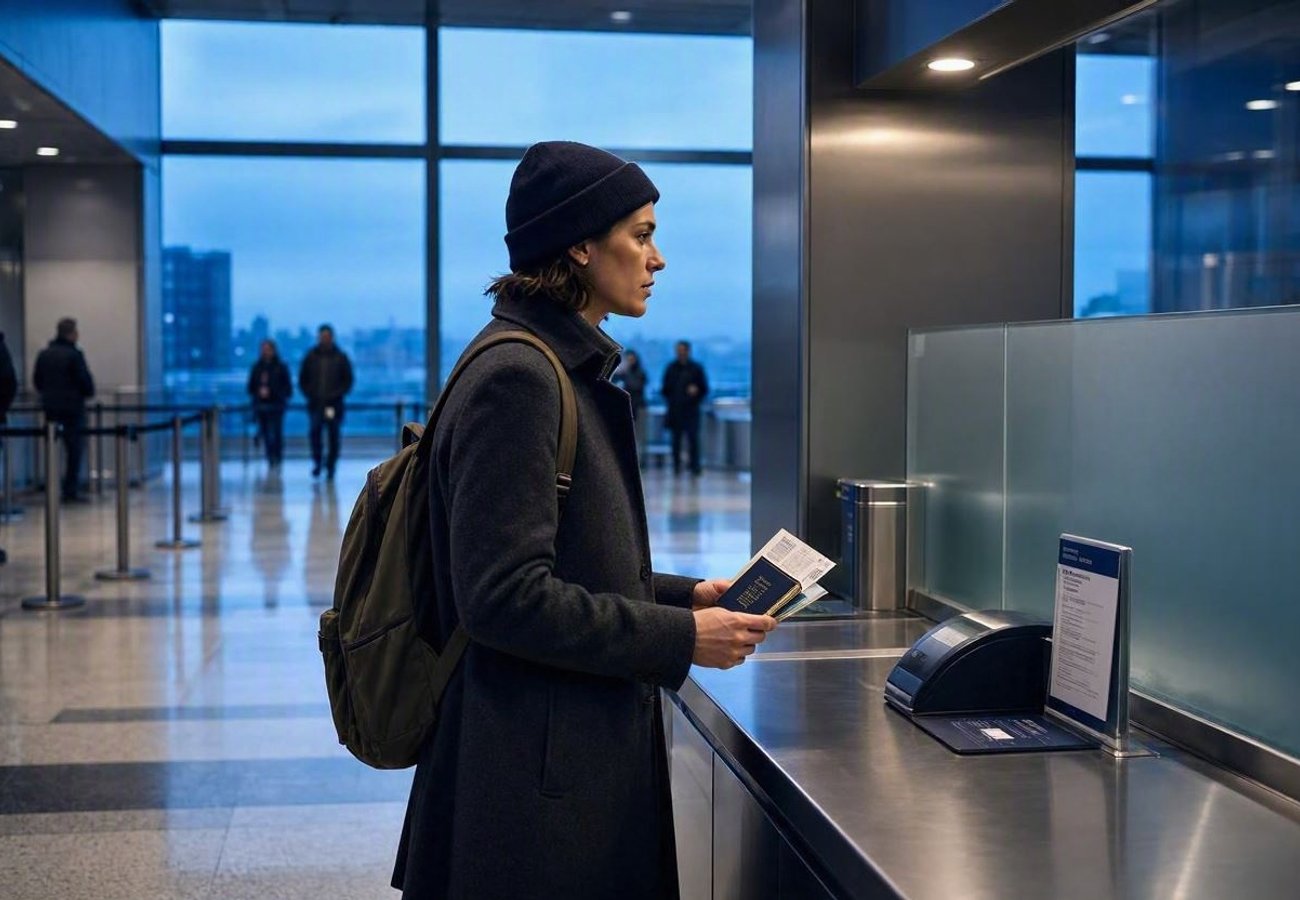
Image generated by AI
Section 212(a)(3)(C) of the Immigration and Nationality Act now serves as the primary legal mechanism for the United States to aggressively target commercial birth tourism networks. This policy shift marks a transition from discretionary visa denials to a systemic crackdown on the professional infrastructure—agencies, facilitators, and consultants—that profit from arranging travel for the primary purpose of securing US citizenship via birth.
The Legal Framework of the Birth Tourism Crackdown
The US Department of State has pivoted its enforcement strategy to focus on the "commercial" aspect of birth tourism. While consular officers have historically possessed the authority to deny visitor visas if they suspected the applicant's primary intent was to give birth on US soil, the new measures specifically target the facilitators. This includes individuals and organizations that knowingly operate networks to advertise, organize, or profit from these arrangements.
By invoking the Immigration and Nationality Act, the US government is signaling that the misuse of the visitor visa category is no longer viewed as a series of isolated incidents, but as a coordinated effort to bypass standard immigration channels. The State Department is now prioritizing the identification of "facilitation networks" that assist applicants in providing false information or misleading travel plans to secure entry.
Operational Impacts on International Visitors
For the average traveler, the US borders remain open, and the demand for tourism in hubs like New York, Florida, and California remains high. However, the screening process at the port of entry and during the visa interview has evolved. The focus has shifted toward "purpose of travel" verification.
Travelers are now facing a higher threshold of evidence to prove the legitimacy of their visit. The following table outlines the shift in documentation expectations for visitor visa applicants under the current climate:
The US Department of State has introduced new visa restrictions targeting commercial birth tourism networks, aiming to curb the practice of traveling to the US solely for the purpose of giving birth to obtain US citizenship. These restrictions are outlined on the US Department of State website, which provides detailed information on the new policies and their implications for travelers. The move is expected to impact individuals seeking to enter the US for the purpose of giving birth, and it is essential to review the official guidelines before planning a trip.
| Requirement | Previous Standard | Current Enhanced Scrutiny |
|---|---|---|
| Travel Intent | General itinerary | Detailed, verifiable day-by-day plans |
| Financials | Proof of funds | Detailed source of funds and spending plan |
| Accommodation | Hotel reservation | Verified lodging with specific address details |
| Return Plans | Return ticket | Comprehensive ties to home country (employment/property) |
This heightened scrutiny is particularly prevalent for applicants from regions identified as high-traffic sources for birth tourism. The US Department of State is utilizing these measures to ensure that the B-1/B-2 visa categories are not utilized as a backdoor for permanent residency.
Expert Analysis: The Shift from Individual to Infrastructure
For travelers and legal consultants, the direct consequence of this policy is the criminalization of the "birth tourism industry." By targeting the networks rather than just the pregnant traveler, the US government is attempting to destroy the supply chain of birth tourism.
The pricing pressure this creates is significant; as legitimate agencies distance themselves from these practices to avoid being flagged under Section 212(a)(3)(C), the "underground" cost of facilitating such trips will likely spike, while the risk of permanent visa bans for the travelers increases. This is a classic regulatory squeeze.
From a geopolitical perspective, this move reflects a broader trend of "visa hardening." By tightening the definition of "legitimate tourism," the US is reducing the ambiguity that previously allowed birth tourism to flourish. For the nomad or frequent traveler, this means that any inconsistency in a visa application—even a minor discrepancy in accommodation or dates—can now be interpreted as a "red flag" for immigration fraud. The burden of proof has shifted entirely to the traveler.
The new visa restrictions may lead to increased scrutiny of passengers traveling to the US, particularly for those who are pregnant or have recently given birth. Travelers can check with their airline or the US Customs and Border Protection website for the most up-to-date information on entry requirements and travel regulations. Additionally, the Transportation Security Administration website provides guidance on traveling while pregnant and what to expect during the security screening process.
Key Takeaways
- Targeted Enforcement: The new rules specifically target commercial entities and facilitators who profit from birth tourism, not just the individuals traveling.
- Legal Basis: Restrictions are grounded in Section 212(a)(3)(C) of the Immigration and Nationality Act, focusing on the misuse of the immigration system.
- Increased Scrutiny: Visitor visa applicants must now provide more granular evidence of their travel purpose, financial arrangements, and ties to their home country.
- Fraud Focus: There is a zero-tolerance approach toward false information provided during the visa application process to hide the intent to give birth.
- Tourism Continuity: Standard tourism to major destinations like the Grand Canyon or New York City remains unaffected, provided documentation is transparent.
FAQ: US Visa Policy 2026
Can I still visit the US for a holiday if I am pregnant? Yes. Pregnancy is not a disqualifier for a visa. However, you must prove that your primary purpose is tourism or business and not specifically to give birth to obtain citizenship.
What happens if I am caught using a birth tourism facilitator? You may face visa denial or revocation under Section 212(a)(3)(C) and could be barred from entering the US for a significant period due to immigration fraud.
Which documents are most important for a 2026 US visa application? Detailed itineraries, verified hotel bookings, proof of stable employment in your home country, and a clear return travel plan are now essential to avoid scrutiny.
Does this policy affect ESTA travelers? While ESTA is for visa-exempt countries, officials at the border can still deny entry if they suspect the primary purpose of the visit is birth tourism.
The line between a luxury vacation and an immigration violation has never been thinner.
Related Travel Guides
This article is for informational purposes. Flight routes, passenger regulations, visa rules, and transit advisories are subject to change by airlines and aviation authorities. Readers are advised to verify schedules and travel documentation with relevant carriers and border agencies before departure.
Related Stories

Thailand Foreign Tourist Arrivals Dip 4.66% as Winter Tourism Push Targets 31.5 Million Year-End Benchmark

North Carolina Ranks Cheapest US State for Gas and Diesel: Thanksgiving Road Trip Guide 2026