
US Customs and Border Protection Biometric Testing: New Identification Procedures for Canada-Maine Border Crossings 2026
Travelers crossing from Canada into Maine are reporting new biometric facial recognition tests and unexpected data sharing between CBP and Canadian authorities.

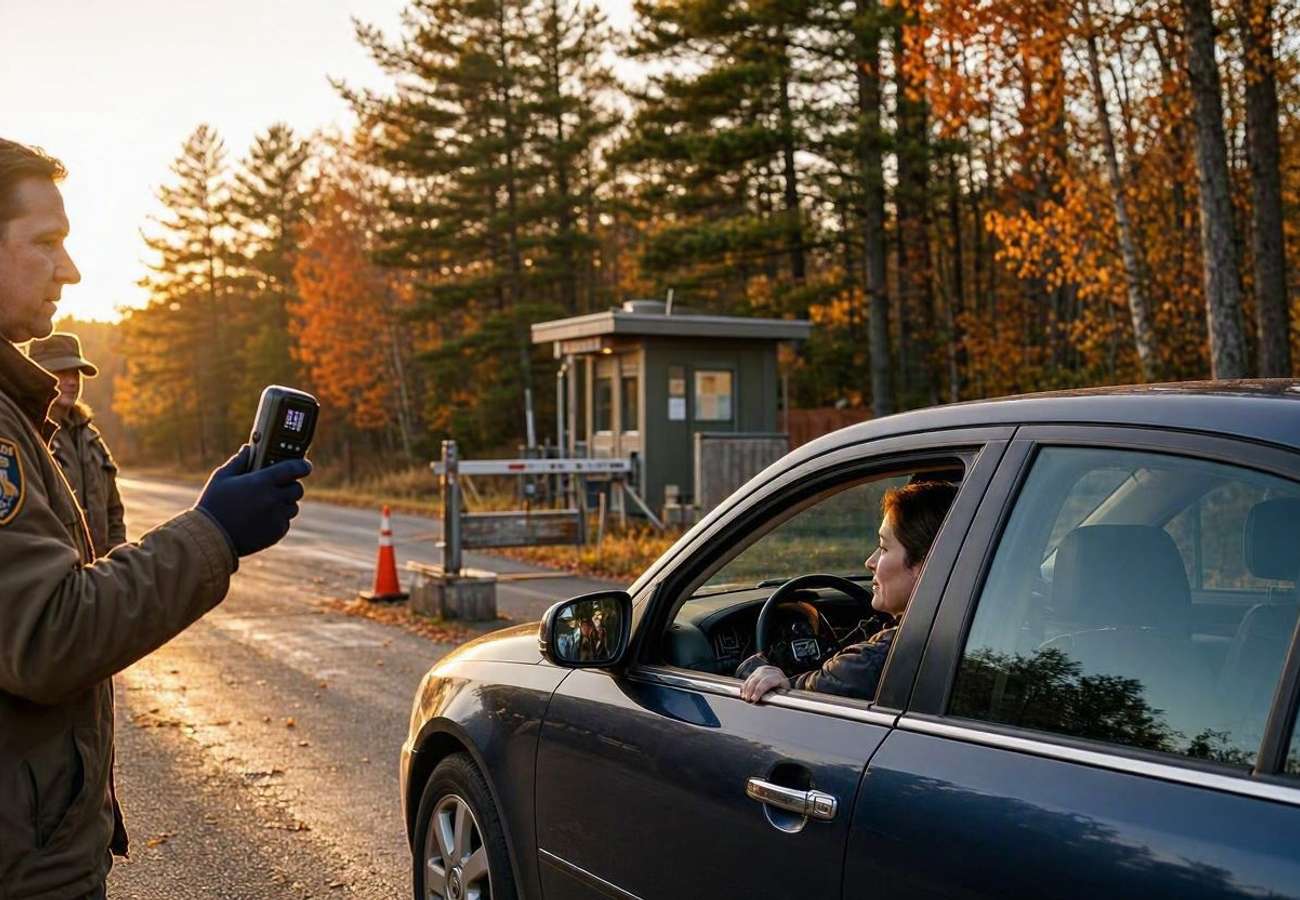
Image generated by AI
Are you planning a drive from Quebec or New Brunswick back into the United States through Maine? You may encounter new, non-standard identification procedures as US Customs and Border Protection (CBP) pilots biometric technology at land ports of entry.
The Shift to Biometric Land Border Testing
Travelers crossing from Canada into Maine are reporting a significant departure from standard entry interviews. While passport checks remain the baseline, the U.S. Customs and Border Protection (CBP) has begun implementing testing phases for biometric facial comparison technology specifically for those in personally owned vehicles.
Recent reports indicate that officers are utilizing handheld devices—described by travelers as webcams on long sticks—to capture individual photographs of passengers without requiring them to exit their vehicles. This is part of a broader effort to mirror the biometric systems already established at major US airports, extending these capabilities to land borders to streamline identity verification.
Beyond the hardware, travelers are noticing a heightened level of pre-arrival intelligence. There are documented instances of CBP officers greeting travelers by their first names before passports are even presented and reciting specific details about the traveler's activities within Canada—information that was only disclosed to the Canada Border Services Agency (CBSA) upon entry into Canada. This suggests a tightening of real-time data synchronization between the two nations' border agencies.
Border Processing and Technology Status
While a formal nationwide rollout date has not been announced, the following table summarizes the current state of technology and procedures being observed at Maine-Canada ports of entry.
| Process | Method | Target Group | Status | Duration/Policy |
|---|---|---|---|---|
| Facial Recognition | Handheld Webcam/Stick | Vehicle Passengers | Testing Phase | Images reportedly deleted after 12 hours for US citizens |
| Identity Verification | License Plate/RFID | All Vehicles | Active | Used for pre-identification before passport check |
| Data Synchronization | CBSA $\rightarrow$ CBP | All Crossers | Active | Real-time sharing of entry purpose and activities |
| Biometric Opt-Out | Verbal Request | US Citizens | Available | US citizens may opt out of biometric capture |
Traveler Logistics Guide
Navigating these new "pilot" procedures requires a shift in how you approach the primary inspection booth. To ensure a smooth transit, follow these logistics strategies:
1. Documentation and Identification Even if the officer greets you by name via license plate recognition, you must have your physical passport or NEXUS card ready. The RFID readers at many primary booths are designed for vehicle identification, not for reading the chips in passport books. Keep your documents in a reachable spot to avoid delaying the queue.
2. Managing the Biometric Capture If an officer uses a handheld camera to take your photo, remain in your vehicle unless instructed otherwise. If you are a US citizen and prefer not to have your biometric data captured, you have the legal right to opt out. Politely inform the officer of your preference; however, be prepared for additional manual questioning as a result of opting out.
3. Consistency in Declarations Assume that everything you tell the Canada Border Services Agency (CBSA) upon entering Canada is visible to the CBP upon your return. Discrepancies between your entry interview in Canada and your re-entry interview in the US can trigger secondary inspections. Ensure your stated purpose of travel remains consistent across both borders.
4. Port of Entry Expectations While specific ports aren't always named in reports, these tests are most prevalent at high-traffic Maine gateways such as the Jackman Port of Entry and the Coburn Gore Port of Entry. Expect slightly longer processing times at these locations as officers navigate the new handheld hardware.
Regional Connectivity Impact
The integration of biometric data and tighter agency cooperation is reshaping the "border-hopping" experience for residents of Maine and Quebec. For those who cross routinely for business or personal reasons, the era of the "anonymous" crossing is ending. The use of license plate recognition combined with facial biometrics means that the CBP often has a digital profile of the vehicle's occupants before they reach the window.
This technological shift occurs against a backdrop of geopolitical tension and tariff disputes, which have occasionally made travelers uneasy about their reception in cities like Montreal. However, the primary impact remains logistical. The move toward a biometric-first land border is designed to reduce the reliance on manual passport scanning, though the current "testing" phase—characterized by handheld webcams—is more intrusive than the eventual permanent installations will likely be.
FAQ: CBP Maine Border Crossing 2026
Do I need a special permit for the new biometric checks? No. Biometric facial comparison is a CBP procedure implemented at the port of entry. You do not need to apply for it; it is conducted by the officer during your standard entry interview.
Can I opt out of the facial recognition photo? Yes, US citizens are permitted to opt out of biometric capture. If you choose to do so, the officer will revert to traditional manual identification methods to verify your identity.
Why does the US officer know what I told the Canadian agent? The US and Canada share entry and exit data to maintain border security. Information provided to the CBSA regarding your activities and purpose of visit is frequently accessible to CBP officers.
How long are my biometric photos stored? According to traveler research and CBP guidelines for US citizens, images captured for identification purposes during these tests are typically deleted after 12 hours.
Stay vigilant and keep your documentation current to avoid unnecessary delays at the frontier.
Related Travel Guides
Disclaimer
This article is for informational and educational purposes only. It does not constitute legal, financial, or professional advice. While we strive to provide accurate and up-to-date information, travel policies, regulations, and conditions change rapidly. Always verify information with official sources before making travel decisions. Nomad Lawyer makes no representations about the accuracy, reliability, completeness, or suitability of the information provided. Readers should consult qualified professionals for advice specific to their circumstances. The views expressed in this article are those of the author and do not necessarily reflect the views of Nomad Lawyer.
Kunal K Choudhary
Co-Founder & Contributor
A passionate traveller and tech enthusiast. Kunal contributes to the vision and growth of Nomad Lawyer, bringing fresh perspectives and driving the community forward.
Learn more about our team →