
US Cities Drive Global Tourism Through BBQ, Jazz, Sports, and Authentic Heritage

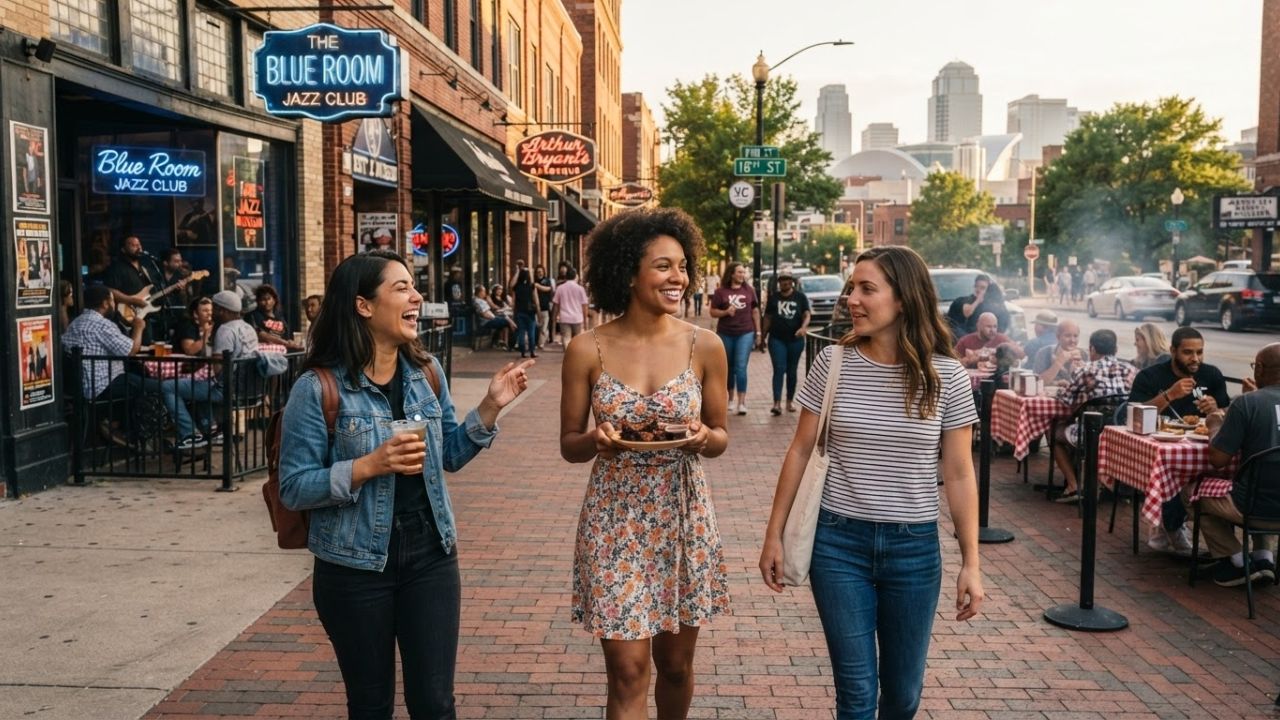
Image generated by AI
Mid-sized American cities are experiencing a major surge in global travel demand, as international visitors look beyond traditional coastal gateways to find authentic food, music, and sports heritage. Official tourism statistics from regions like Kansas City, Nashville, and Austin show record-breaking visitor spending and airport passenger volumes, demonstrating a structural shift toward experiential travel in the United States.
The Local Trend: Cultural Authenticity and Connectivity Redefine American Travel
A noticeable shift is occurring across the United States travel sector. Instead of booking trips exclusively to coastal hubs, international travellers are choosing mid-sized cities that offer deep, regional cultural identities. This trend is driven by improved flight connectivity, regional cultural pride, and preparations for major global events.
With the upcoming exposure of the FIFA World Cup 2026, host cities like Kansas City are actively positioning themselves to capture long-term global leisure demand. By integrating their culinary identities, musical traditions, and sports culture into coherent visitor experiences, these destinations are transforming short-term event interest into sustained economic growth. For the modern traveller, this means access to highly localized experiences that reflect the true diversity of the American interior.
Culinary Heritage: Kansas City Barbecue and Jazz Culture
Located on the border of Missouri and Kansas, Kansas City has established itself as a primary culinary and musical destination. According to Visit KC, the city welcomes approximately 28.4 million visitors annually, with 46% choosing to stay overnight. This interest translated into a record $4 billion in visitor spending in 2025, supported by an average of 78,000 daily visitors across the metropolitan region.
The city's appeal is rooted in its historic identity. The 18th & Vine Historic Jazz District serves as the cornerstone of its musical legacy, while the Crossroads Arts District and Power & Light District offer contemporary arts, live music, and galleries. Food tourism is dominated by Kansas City-style barbecue, celebrated for its slow-smoked meats, burnt ends, and rich, tomato-based sauces.
In addition to leisure travel, business tourism remains a major driver. Kansas City attracted over 610,700 event attendees through 466 events in 2025. Visit KC has targeted relationships with international travel media in key markets, particularly in the United Kingdom, to position the city's sports venues and cultural heritage for the post-2026 travel era.
Southern Rhythms: Nashville Country Music and New Orleans Creole Roots
Nashville, Tennessee, continues to expand its position as a global cultural destination. Official data from Nashville’s Tourism and Convention Commission shows the city welcomed 17.39 million visitors in 2025, generating $11.64 billion in visitor spending. International travel reached 364,000 visitors, with Canada representing the largest source market, followed closely by the United Kingdom and continental Europe.
This tourism growth is heavily supported by Nashville International Airport, which handled 25.7 million passengers in 2025, with Europe representing the largest international passenger region. Visitors are drawn to the Grand Ole Opry, the Country Music Hall of Fame and Museum, and the historic Ryman Auditorium. Beyond country music, the city’s culinary scene relies on Nashville hot chicken, Southern comfort foods, and local farm-to-table dining.
Further south, New Orleans, Louisiana, represents one of the most distinctive cultural environments in North America. New Orleans & Company reported that the city attracted 19.46 million visitors in 2025, with tourism spending reaching $10.8 billion. The city's travel economy relies on a unique mix of jazz music, historic architecture in the French Quarter, Creole gastronomy (such as gumbo and jambalaya), and major cultural celebrations like Mardi Gras and the New Orleans Jazz & Heritage Festival.
Creative Hubs and Mountain Gates: Austin and Denver Lead Growth
Austin, Texas, has combined its live music identity with technology and outdoor recreation. Reports from Visit Austin show the city welcomed 30.1 million annual visitors, generating $11.1 billion in spending and supporting approximately 148,000 local jobs. The state of Texas overall attracted 62 million travellers, yielding $97.5 billion in visitor spending.
Access to Austin has improved through Austin-Bergstrom International Airport, which handled 21.67 million passengers in 2025. Travelers visit Sixth Street, the South Congress Avenue shopping district, and natural spaces like Barton Springs Pool and Lady Bird Lake. The city's famous food trucks, Texas smoked brisket, and festivals like South by Southwest (SXSW) remain significant international draws.
In the western United States, Denver, Colorado, connects mountain adventures with urban tourism. Visit Denver's 2025 report shows a record 37.6 million visitors, generating $10.5 billion in spending. This total included 20.1 million overnight travellers and 17.6 million day visitors, with overnight leisure visitors reaching 17.9 million.
The primary origin states for Denver's visitors include California, Texas, Illinois, and Florida, with top feeder cities being Los Angeles, New York, Chicago, Houston, and Dallas-Fort Worth. Denver International Airport supported this growth by handling a record 82.4 million passengers in 2025, offering a transit point to nearby Rocky Mountain National Park and Red Rocks Amphitheatre.
Midwestern Event Hubs: Indianapolis, Cincinnati, Columbus, Pittsburgh, and Charlotte
Midwestern and Mid-Atlantic cities are leveraging sports, riverfront developments, and regional connectivity to capture new travel demographics.
- Indianapolis, Indiana: Known as a motorsports hub, the city is expanding its cultural and family travel sectors. Indianapolis International Airport recorded over 10 million passengers in 2025. Visitors explore the Children’s Museum of Indianapolis, the Indiana State Museum, the Eiteljorg Museum, and the local Indianapolis Cultural Trail while dining on regional specialties like the Indiana pork tenderloin sandwich.
- Cincinnati, Ohio: Located along the Ohio River bordering Northern Kentucky, the Cincy Region welcomed 25.9 million visitors, generating $6.5 billion in spending. Tourism supported 67,000 jobs and contributed $352 million in state and local tax revenue across Hamilton County (Ohio) and Boone, Campbell, and Kenton counties (Kentucky). Key attractions include the National Underground Railroad Freedom Center, Findlay Market, and historic Over-the-Rhine.
- Pittsburgh, Pennsylvania: Positioned at the confluence of three rivers, this former industrial center welcomed 21.5 million visitors in 2025, creating a $7.1 billion economic impact across Allegheny County. Travelers visit the Andy Warhol Museum, the Heinz History Center, and the Carrie Blast Furnaces, while experiencing local food traditions like the Primanti Brothers sandwich.
- Columbus, Ohio: Positioned between major regional markets, Columbus welcomed more than 46 million visitors in 2025, generating $8.2 billion in spending. Visitors explore the Short North Arts District, historic German Village, and local food markets like North Market, sampling Columbus-style pizza and farm-to-table dishes.
- Charlotte, North Carolina: A primary financial and sports hub in the Southeast, Charlotte and Mecklenburg County welcomed over 30 million visitors annually. Charlotte Douglas International Airport handled over 53 million passengers in 2025, connecting visitors to the NASCAR Hall of Fame, the Mint Museum, and the U.S. National Whitewater Center.
Gastronomic Tourism: Supporting Local Communities and Sustainable Food Ways
Food tourism has become a powerful tool for supporting local economies and preserving regional traditions. In a report naming the top food destinations in the Americas and Caribbean, the United States secured the second position, highlighting the diversity of its regional culinary cultures.
By focusing on slow-food traditions, such as slow-smoked Kansas City barbecue, Ohio River Valley goetta, or coastal Carolina barbecue, visitors contribute directly to local food producers. Many of these cities encourage travellers to visit historic public markets, such as Findlay Market in Cincinnati or North Market in Columbus. Buying directly from local bakers, butchers, and farmers keeps tourism dollars within the community, supporting regional agriculture and reducing the carbon footprint associated with long-distance food supply chains.
Visitor Insider Tips: Off-Peak Travel and Local Experiences
To get the most out of these cultural destinations while avoiding large crowds, keep these insider tips in mind:
- Kansas City Barbecue and Jazz: To bypass the long lines at famous barbecue spots, visit between 2:00 PM and 4:30 PM on weekdays. For authentic jazz without the crowds, head to the 18th & Vine District on Monday nights for local musicians' jam sessions.
- Cincinnati Transit and Markets: Park your car and ride the free Cincinnati Bell Connector streetcar, which links the banks of the Ohio River to the historic Over-the-Rhine district. Visit Findlay Market on a Tuesday or Wednesday morning to talk directly with local food artisans before the weekend crowds arrive.
- Denver Airport Transit: Avoid expensive rideshares and take the RTD A Line train directly from Denver International Airport to Union Station in downtown Denver. It costs just $10.50 and takes under 40 minutes.
- Nashville Music Alternatives: Skip the crowded, loud honky-tonks on Broadway and check out the intimate writer-in-the-round acoustic performances at the Bluebird Cafe or local listening rooms in East Nashville.
- Columbus Heritage Walks: Explore German Village on foot early in the morning to appreciate the 19th-century brick streets and pocket parks, then stop by a local bakery for traditional pastries.
Outlook: Long-Term Growth and the FIFA 2026 Legacy
The long-term outlook for these mid-sized cities is tied to their ability to maintain their local identities while expanding their infrastructure. As global travel sentiment shifts toward authentic, community-based tourism, destinations that preserve their musical, culinary, and historic roots will remain highly competitive.
The infrastructure upgrades planned for the FIFA World Cup 2026, combined with ongoing airport expansions in Charlotte, Pittsburgh, and Nashville, will provide these cities with the capacity to handle larger volumes of international travellers. By balancing economic growth with environmental sustainability and community heritage, these destinations are defining the future of American travel.
FAQ
What is driving the growth of cultural tourism in mid-sized US cities?
Travelers are looking for authentic, localized experiences like regional barbecue, historic jazz districts, and local sports culture, supported by improved regional flight connectivity and lower costs compared to major coastal hubs.
How do public markets in these cities support sustainable tourism?
Public markets like Findlay Market in Cincinnati and North Market in Columbus connect travellers directly with local farmers and food artisans, keeping tourism spend within the community and lowering carbon emissions.
What is the best way to travel between Denver Airport and downtown?
The Denver Regional Transportation District (RTD) offers the A Line commuter rail, which runs directly from Denver International Airport to historic Union Station in 37 minutes for a fare of $10.50.
Which US cities are hosting the FIFA World Cup 2026?
Kansas City is among the select host cities for the FIFA World Cup 2026, using the event to showcase its barbecue culture, jazz heritage, and sports facilities to a global audience.
Explore the changing dynamics of American urban travel.
Related Travel Guides
Disclaimer
This article is for informational and educational purposes only. It does not constitute legal, financial, or professional advice. While we strive to provide accurate and up-to-date information, travel policies, regulations, and conditions change rapidly. Always verify information with official sources before making travel decisions. Nomad Lawyer makes no representations about the accuracy, reliability, completeness, or suitability of the information provided. Readers should consult qualified professionals for advice specific to their circumstances. The views expressed in this article are those of the author and do not necessarily reflect the views of Nomad Lawyer.
Raushan Kumar
Founder & Lead Developer
Full-stack developer with 11+ years of experience and a passionate traveller. Raushan built Nomad Lawyer from the ground up with a vision to create the best travel and law experience on the web.
Learn more about our team →