US China Trump Xi Summit 2026 Sparks New Travel Growth Hopes as Business Tourism Watches Diplomatic Shift

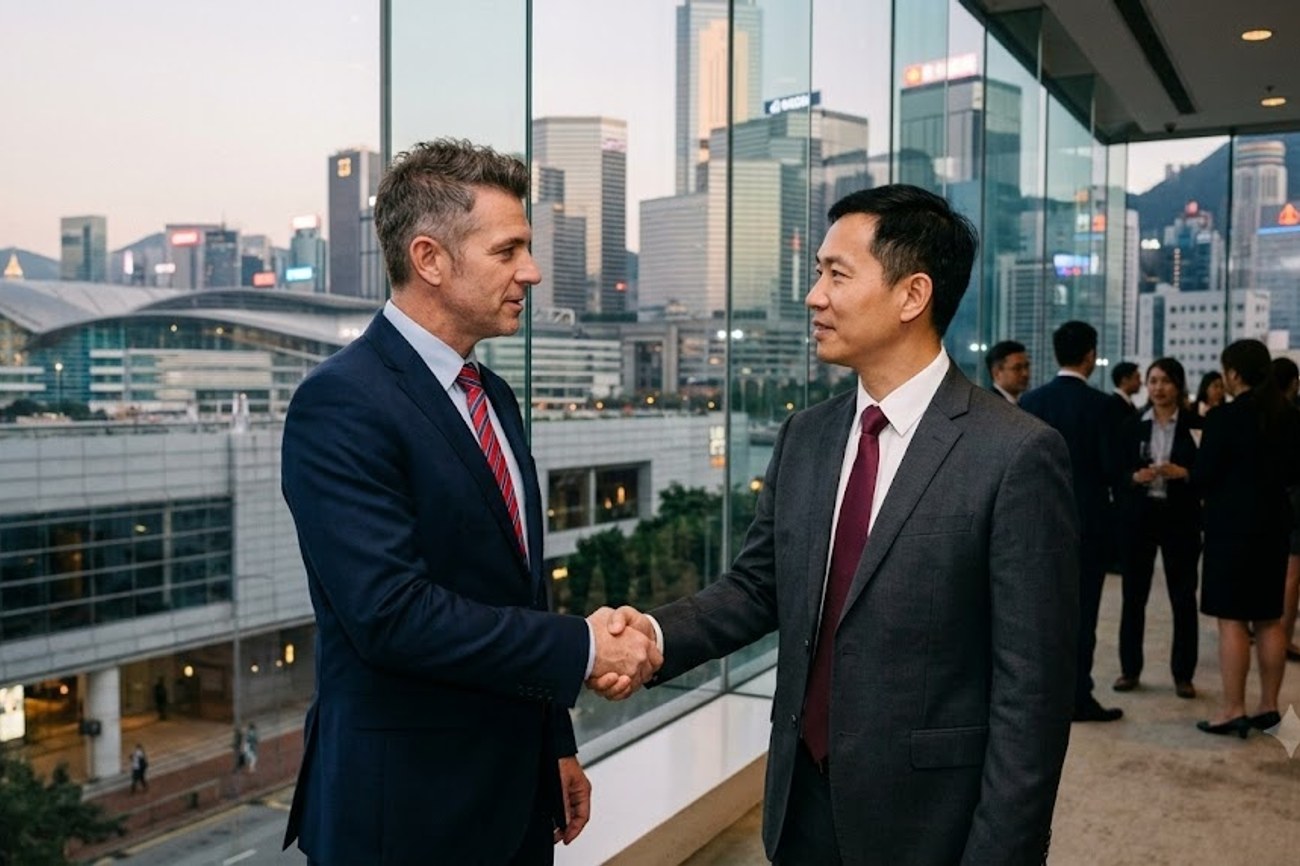
Image generated by AI
[Washington DC, September 2026] — President Donald Trump and Chinese President Xi Jinping are scheduled to convene on September 24, 2026, in a high-stakes summit that aviation analysts warn could dictate the trajectory of transpacific flight connectivity and global business travel for the remainder of the decade. While the official agenda focuses on trade, security, and technology, the global travel sector is treating the meeting as a primary indicator for future airline route expansions and tourism investment.
The summit takes place during President Xi Jinping’s state visit to the United States. The primary objective of the meeting is to stabilize the volatile relationship between the world's two largest economies and manage systemic frictions regarding artificial intelligence, critical minerals, technology controls, and the status of Taiwan. Although no formal tourism treaty is on the table, the diplomatic climate resulting from these talks will directly influence the operational confidence of carriers and corporate travel planners.
The Catalyst for Diplomatic Stabilization
The immediate trigger for this summit is the necessity to prevent systemic economic competition from escalating into a broader geopolitical confrontation. Both Washington and Beijing are seeking a framework to manage deep-seated disagreements over tariffs and national security without completely severing economic ties.
For the aviation industry, this diplomatic "thaw" is critical. Airlines operating between North America and Asia have historically been the first casualties of political volatility, facing sudden route restrictions, regulatory hurdles, and fluctuating passenger demand based on state-level tensions. By establishing a baseline of stability, the U.S. Department of State and Chinese diplomatic channels can provide the predictability required for airlines to commit aircraft to long-haul transpacific routes.
Market Impact and Affected Sectors
The ripple effects of the Trump-Xi meeting will be felt across several specific segments of the travel and hospitality industry. The following sectors are most exposed to the outcome of the September 24 talks:
- Transpacific Aviation: Carriers operating between the US and China are the primary stakeholders. Stability allows for the adjustment of flight schedules, the increase of passenger services, and the expansion of international flight connections.
- Corporate Travel Infrastructure: High-volume business hubs in both nations—including New York, San Francisco, Beijing, and Shanghai—stand to see a surge in corporate meetings, trade exhibitions, and investment-related visits.
- Hospitality Investment: Global hotel groups and resort developers often freeze expansion in markets characterized by high political risk. A stabilized relationship encourages capital flow into aviation infrastructure and international hospitality projects.
- Travel Technology: Firms specializing in cross-border payment systems and travel booking platforms between the two regions require a predictable regulatory environment to scale operations.
Practical Traveler Advisory and Strategic Insights
For the individual passenger or corporate traveler, the summit does not mean an immediate change in ticket prices or visa requirements, but it signals a shift in long-term availability and confidence.
For Business Travelers: If the summit succeeds in reducing tensions, executives can plan international conferences and investment visits with less fear of sudden diplomatic freezes or restrictive travel advisories. This typically leads to an increase in business-class capacity and more frequent flight options between major financial centers.
For Leisure Tourists: While not a "tourism deal," the summit's success could lead to a gradual easing of the frictions that make international journey planning stressful. Increased flight connectivity generally leads to more competitive pricing and a wider array of destination options as airlines regain the confidence to fill seats.
For Investors: The "confidence gap" currently hindering tourism investment in the region may narrow. When the International Air Transport Association (IATA) and other bodies see political stability, it triggers a chain reaction of infrastructure spending, from airport upgrades to the development of new luxury hotel properties.
The Road to 2027 and Beyond
The travel industry is not expecting a total resolution of all disputes. Issues surrounding technology restrictions and national security are deeply entrenched and likely to persist. The goal of the September 24 meeting is management rather than resolution.
The immediate aftermath of the summit will be monitored for "signal" changes: a sudden increase in flight frequency applications to the Federal Aviation Administration (FAA) or a shift in visa processing rhetoric. If the leaders maintain a regular dialogue, the travel industry can move from a defensive, "wait-and-see" posture to a growth-oriented strategy.
The long-term outlook depends on whether this summit establishes a permanent communication channel. If the dialogue remains open, the "uncertainty tax"—the cost airlines and hotels pay when they cannot predict market stability—will decrease, potentially sparking a revival in Asia-North America tourism.
FAQ: US-China Travel Outlook 2026
Will the Trump-Xi Summit immediately increase the number of flights between the US and China? No. Any increase in flight frequency depends on subsequent airline commercial decisions and government regulatory approvals. The summit provides the political environment for these changes, but it does not mandate them.
Does this summit mean visa restrictions will be lifted? The summit focuses on trade and security, not specific visa policies. However, improved diplomatic relations often lead to more streamlined consular services and a more predictable visa application process over time.
How does a trade summit affect a casual tourist? Political stability reduces the risk of sudden travel warnings and encourages airlines to offer more routes. More competition between airlines generally leads to better pricing and more flight options for leisure travelers.
What is the biggest risk to travel growth following the summit? The primary risk is a return to volatility. If disagreements over technology or security escalate after the meeting, the temporary boost in confidence could vanish, leading to cancelled routes and decreased business travel.
The global travel market remains on high alert as Washington and Beijing attempt to bridge a diplomatic chasm.
Related Travel Guides
This article is for informational purposes. Flight routes, passenger regulations, visa rules, and transit advisories are subject to change by airlines and aviation authorities. Readers are advised to verify schedules and travel documentation with relevant carriers and border agencies before departure.
Related Stories

Tunisia Accelerates Tourism Pivot to Asia and High-Yield UNESCO Heritage Circuits Following Record 2026 Revenue

Zen Awakening Festival 2026: Florida's Transformational Music, Mindfulness, and Arts Gathering in Fruitland Park