
Connecting North America: How Infrastructure is Transforming Cross-Border Tourism
The US and Canada supercharge tourism across the 8,891 km border with the new Gordie Howe Bridge, NEXUS upgrades, and regional travel campaigns.

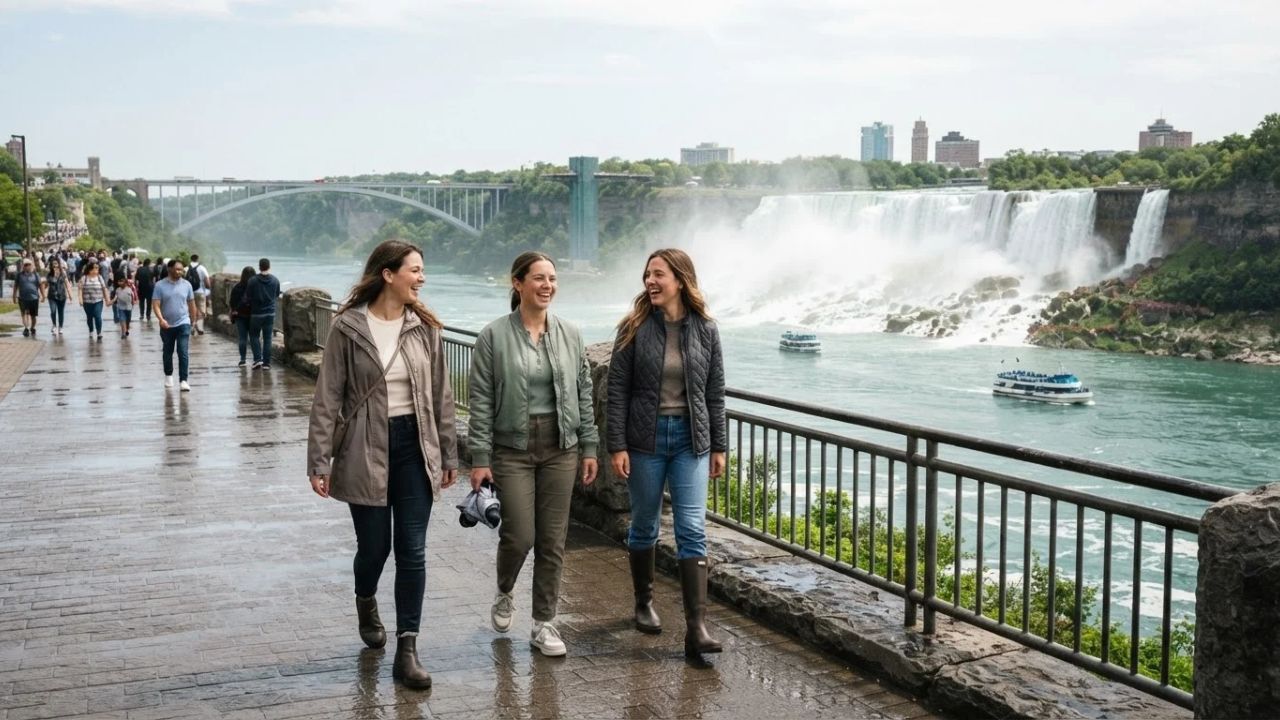
Image generated by AI
Connecting Windsor and Detroit with a new six-lane crossing, the Gordie Howe International Bridge anchors a major effort in 2026 to transform the 8,891 km US-Canada border into a unified tourism destination. Strategic infrastructure upgrades and expedited transit systems are designed to boost regional hotel, dining, and retail spending.
A New Era of Cross-Border Travel
The Canada–United States boundary has long functioned as a highly connected travel zone, with millions of travelers crossing annually for family visits, retail shopping, outdoor recreation, and business trips. In 2026, both nations are placing greater emphasis on border tourism, moving beyond treating the boundary as a simple line of entry and instead developing it as an integrated travel corridor.
This destination management strategy focuses on improving transit infrastructure, coordinating regional tourism marketing, and utilizing digital tools to make travel smoother. By reducing wait times and providing clearer travel information, both countries aim to encourage longer stays and increase visitor spending across border communities, hotels, restaurants, and local attractions.
Infrastructure Upgrades: The Gordie Howe International Bridge
The primary symbol of this transportation corridor is the Gordie Howe International Bridge, which connects Windsor, Ontario, with Detroit, Michigan. The six-lane cable-stayed bridge represents a major upgrade in North American transit infrastructure, serving one of the busiest trade and travel routes between the two nations.
For travelers, the new bridge offers:
- Improved Capacity: Six lanes designed to reduce traffic congestion and shorten crossing times for passenger vehicles.
- Regional Connectivity: Direct highway-to-highway connections linking Ontario’s highway network with Michigan’s interstate system.
- Local Tourism Benefits: Easier access to downtown Detroit's entertainment districts and Windsor's cultural attractions.
This project gives road-trip travelers more flexibility when planning multi-destination holidays, enabling them to combine urban exploration with natural attractions in a single journey.
Fast-Tracking Travel: The NEXUS Program
To encourage short-distance travel—such as weekend escapes, culinary tours, shopping trips, and festival visits—the US and Canada continue to support trusted traveler systems. The NEXUS program remains a key tool for frequent border crossers:
- Expedited Processing: Pre-screened, low-risk travelers enjoy dedicated lanes at selected land crossings, marine ports, and major international airports.
- Reduced Friction: Shorter wait times encourage spontaneous, short-term visits, which are vital for retail and hospitality businesses in border cities.
- Coordinated Systems: Seamless integration between the Canada Border Services Agency (CBSA) and US Customs and Border Protection (CBP) helps maintain security while supporting visitor movement.
Key Cross-Border Tourism Corridors
The cross-border strategy leverages several iconic natural and urban regions:
- Niagara Falls: This destination remains a prime example of international tourism cooperation. Visitors can easily cross between the American and Canadian sides of the falls, experiencing boat tours, family attractions, and clifftop views.
- The Great Lakes Region: Spanning Ontario and several US states, this waterfront network supports cross-border lake cruises, recreational boating, and cultural tourism, encouraging slower-paced travel.
- The Vancouver–Seattle Corridor: In the Pacific Northwest, travelers increasingly view the region as a single destination, combining British Columbia's coastal landscapes with Washington State's urban attractions.
Adventure Tourism and Shared Wilderness
The international border connects some of the world's most dramatic natural environments, including the Rocky Mountains, the Great Lakes basins, and the Alaska–Canada wilderness. High-altitude skiing, long-distance hiking, and national park exploration draw adventure travelers who typically book longer stays and spend more on equipment, accommodation, and guided services. Coordinating park management across borders helps protect these fragile ecosystems.
Environmental Benefits and Regional Campaigns
For the visitor, the real impact of these border infrastructure projects is the reduction of environmental impacts associated with transit. Modern crossings like the Gordie Howe Bridge and expedited NEXUS lanes reduce vehicle idling times at border gates, lowering carbon emissions.
Furthermore, regional tourism campaigns are promoting border communities to encourage travelers to discover lesser-known destinations. Rebuilding cross-border travel momentum supports local communities that experienced declines in visitor traffic during previous years, helping to stabilize the regional hospitality economy.
For example, you can explore the changing dynamics of US Cities Drive Global Tourism Through BBQ, Jazz, Sports, and Authentic Heritage to see how regional pride is shaping travel. For budget-conscious travelers, aligning slow city travel with municipal transit options mirrors similar regional initiatives, such as the Free Admission at Select US State Parks programs. This trend is similar to the tourism growth seen in other destinations, as detailed in our guide on how Utica, New York Emerges as an Affordable Northeast Tourism Hub.
Visitor Insider Tips: Navigating the Border
To coordinate a smooth cross-border road trip and explore both countries efficiently, keep these practical tips in mind:
- Utilize the NEXUS Program: If you travel between the US and Canada frequently, apply for a NEXUS pass to access dedicated lanes and expedite your crossing.
- Check Wait Times Electronically: Use official mobile applications or government websites to monitor real-time border wait times before departing your hotel.
- Verify Customs Regulations: Review rules regarding the transport of food, agricultural products, and retail purchases before crossing to avoid delays or penalties.
- Explore Multi-Destination Routes: Plan itineraries that combine the urban attractions of the Vancouver–Seattle corridor or the historic locks of the Great Lakes.
- Support Border Communities: Stop at independent shops, restaurants, and visitor centers located near border crossings to support local economies.
Long-Term Outlook for North American Border Travel
The long-term outlook for cross-border travel is strong, supported by the integration of modern transportation infrastructure and shared destination marketing. As transit links continue to improve, the border will increasingly function as a connected pathway rather than a dividing line.
By balancing capacity upgrades with environmental conservation and security measures, the United States and Canada can ensure that their shared border remains a valuable tourism asset.
FAQ
What is the length of the US-Canada border?
The international border between the United States and Canada spans 8,891 kilometers (8,891 km), making it the longest international land border in the world.
What is the Gordie Howe International Bridge?
It is a new six-lane international bridge connecting Windsor, Ontario, with Detroit, Michigan, designed to improve road transit capacity.
How does the NEXUS program help travelers?
NEXUS provides expedited border clearance for pre-screened, low-risk travelers at designated land crossings, airports, and marine ports.
What are the main cross-border travel corridors?
Primary corridors include Niagara Falls, the Great Lakes region, the Vancouver–Seattle corridor, and the Rocky Mountain national parks.
Keep track of the shifting trends in border transit and international travel.
Related Travel Guides
Disclaimer
This article is for informational and educational purposes only. It does not constitute legal, financial, or professional advice. While we strive to provide accurate and up-to-date information, travel policies, regulations, and conditions change rapidly. Always verify information with official sources before making travel decisions. Nomad Lawyer makes no representations about the accuracy, reliability, completeness, or suitability of the information provided. Readers should consult qualified professionals for advice specific to their circumstances. The views expressed in this article are those of the author and do not necessarily reflect the views of Nomad Lawyer.
Raushan Kumar
Founder & Lead Developer
Full-stack developer with 11+ years of experience and a passionate traveller. Raushan built Nomad Lawyer from the ground up with a vision to create the best travel and law experience on the web.
Learn more about our team →