
TSA Evaluates Full Water Bottle Allowance: CT Scanners Drive U.S. Airport Security Overhaul

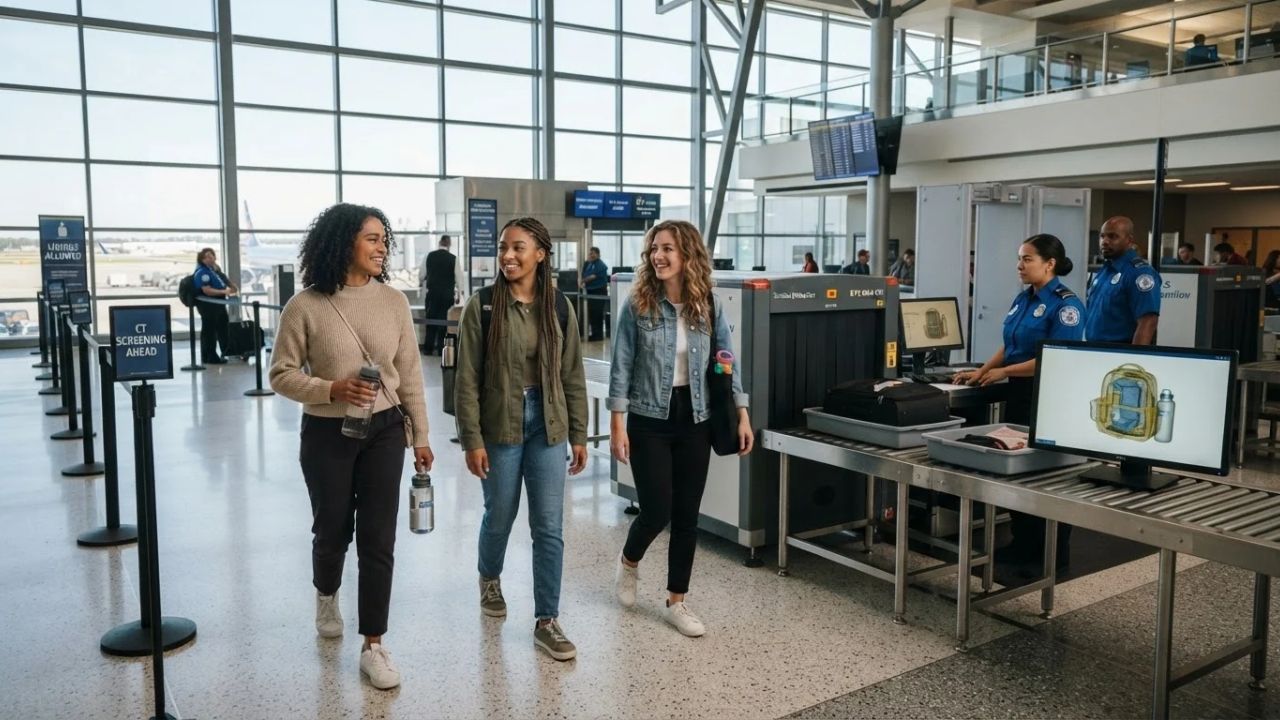
The Transportation Security Administration (TSA) is evaluating proposals to modernize its nearly 20-year-old 3-1-1 liquid rule, paving the way for travelers to carry full water bottles through security checkpoints equipped with advanced 3D Computed Tomography (CT) scanners. Mirroring the 2-liter allowance pioneered at London Heathrow, the initiative could launch as a pilot program for TSA PreCheck passengers across high-volume U.S. hubs.
The Local Trend Revealed: Retiring the 3-1-1 Liquids Protocol
For nearly two decades, air travelers in the United States have built their packing rituals around a single frustrating restriction: the 3.4-ounce (100-milliliter) liquid limitation. Enacted in August 2006 following a foiled transatlantic plot involving liquid explosives, the TSA's 3-1-1 rule mandated that all liquids, gels, and aerosols fit into small containers within a single clear, quart-sized plastic bag. Travelers were required to either empty reusable bottles before stepping into security lines or discard beverages into oversized checkpoint trash bins.
However, a fundamental technological evolution is reshaping aviation security checkpoints. The TSA is actively reviewing policy updates that could permit passengers to carry full, unopened or filled reusable water bottles directly through security screening lanes. Powered by the nationwide rollout of Computed Tomography (CT) baggage scanners, the prospective rule modification seeks to replace cumbersome manual bag inspections with automated, high-precision molecular threat detection.
EVOLUTION OF AIRPORT LIQUID SCREENING: 2006 VS. 2026
| Entity / Route | Metrics | Operational Status |
|---|---|---|
| Operational Feature | Current TSA 3-1-1 Framework | Proposed CT Scanner Protocol |
| Container Capacity Limit | 3.4 ounces (100 ml) maximum | Full reusable bottles permitted |
| Packaging Requirement | Single quart-sized clear zip bag | Remain inside carry-on luggage |
| Checkpoint Preparation | Empty bottle, discard liquids | Carry filled hydration vessels |
| Primary Technology | Conventional 2D X-Ray screening | 3D Computed Tomography (CT) |
| Initial Deployment Scope | Universal national requirement | Phased rollout / PreCheck testing |
Anatomy of the Technology: 3D Imaging and the Heathrow Benchmark
The driver behind this security overhaul is Computed Tomography (CT) technology—an advanced imaging method adapted from medical diagnostics. Unlike legacy 2D X-ray machines that produce flat, shadowed silhouettes, CT scanners rotate around carry-on baggage while emitting hundreds of narrow X-ray beams. Sophisticated algorithms assemble volumetric 3D models of bag contents, allowing transportation security officers to digitally rotate items 360 degrees and measure mass density to identify hazardous compounds instantly.
International gateways have already established operational precedents:
- London Heathrow (LHR): The United Kingdom's busiest gateway allows passengers to carry liquids up to 2 liters in cabin baggage across terminals equipped with next-generation security scanners, eliminating the need to unpack toiletries or laptops.
- London City Airport (LCY) & Teesside International (MME): Both UK facilities have fully eliminated the legacy 100ml liquid ceiling, cutting average checkpoint transit times by more than 50%.
In the United States, implementing a similar protocol presents a far larger logistical puzzle. While the UK operates a centralized commercial aviation network, the TSA oversees screening across more than 430 commercial airports and thousands of individual security lanes. High procurement costs and facility retrofitting mean a nationwide transformation will occur incrementally. Industry analysts anticipate the TSA will introduce initial testing through a pilot program targeting enrolled TSA PreCheck members at well-equipped mega-hubs.
CANDIDATE U.S. HUBS FOR ADVANCED LIQUID SCREENING PILOTS
| Airport Gateway | Location | Infrastructure Significance |
|---|---|---|
| Hartsfield-Jackson (ATL) | Atlanta, Georgia | World's busiest passenger transfer terminal |
| Dallas/Fort Worth (DFW) | Texas | Primary American Airlines transcontinental hub |
| Los Angeles Int'l (LAX) | California | Premier West Coast international gateway |
| Denver Int'l (DEN) | Colorado | Massive domestic transfer and outdoor hub |
| Harry Reid Int'l (LAS) | Las Vegas, Nevada | High-density leisure and convention volume |
| Salt Lake City (SLC) | Utah | Primary Mountain West Delta connection hub |
Cultural and Environmental Value: Eliminating Single-Use Airport Waste
For the visitor, the real impact of allowing filled water bottles through security extends far beyond shaving minutes off checkpoint queues; it directly addresses a severe environmental crisis in aviation terminals.
Every day, hundreds of thousands of single-use plastic beverage bottles are discarded at security checkpoints across American airports, filling municipal landfills. Thirsty travelers who empty reusable bottles before screening are frequently compelled to purchase commercial bottled water on concourses at inflated prices of $5 to $7 each. Permitting travelers to carry full, insulated reusable bottles incentivizes sustainable passenger behavior, dramatically shrinks airport plastic consumption, and promotes personal hydration without commercial exploitation.
Simultaneously, smoother checkpoint flow reduces terminal congestion, alleviating traveler stress and improving overall operational punctuality for commercial airlines.
SUSTAINABILITY BENEFITS OF REVISED LIQUID RULES
| Category / Entity | Details / Impact |
|---|---|
| Environmental Factor | Measurable Terminal Impact |
| Plastic Waste Diversion | Prevents tons of single-use PET bottles from reaching landfills |
| Municipal Liquid Disposal | Eliminates thousands of gallons of dumped liquids in trash bins |
| Passenger Carbon Footprint | Encourages durable stainless-steel hydration container use |
| Passenger Economic Savings | Eliminates artificially inflated post-security bottled water buys |
Visitor Insider Tips: Navigating Airport Security and Hydration
-
Current Regulations Remain in Effect: While the TSA reviews pilot parameters, travelers must strictly adhere to the existing 3.4-ounce (100ml) liquid restriction across all U.S. commercial airports until an official policy change is enacted. Attempting to bring full liquid bottles through standard lanes today will result in bag diversion, mandatory secondary searches, and delays.
-
The 100% Solid Ice Exception: Under existing TSA guidelines, travelers are legally permitted to carry ice through checkpoints provided it is completely frozen solid when passing through the X-ray or CT scanner. If even a small amount of liquid water has melted at the bottom of the container, officers must confiscate or require disposal of the contents.
-
Touchless Bottle Refill Station Etiquette: Major facilities such as San Francisco International Airport (SFO), Atlanta (ATL), and Denver (DEN) feature rapid, touchless bottle-filling stations located immediately past security. When refilling reusable flasks, never press the lip or rim of your vessel against the dispensing nozzle to prevent bacterial cross-contamination.
-
Prepare for International Discrepancies: If your itinerary involves international connections, remember that foreign screening rules vary widely. While London Heathrow (LHR) permits up to 2 liters on selected CT lanes, a transit transfer in Frankfurt, Tokyo, or Toronto will strictly enforce the traditional 100ml rule. Always check transfer regulations before purchasing duty-free liquids abroad.
-
TSA PreCheck Enrollment Advantages: Enrolling in TSA PreCheck remains the single fastest way to access advanced CT lanes. Members retain shoes, belts, and light jackets while keeping compliant liquids and laptops stowed inside carry-on bags.
Tourism Outlook: The Future of Frictionless Air Travel
The prospective relaxation of the water bottle restriction marks another decisive step toward truly frictionless aviation security. Following decades of reactive, defensive screening protocols, civil aviation authorities are successfully harnessing artificial intelligence, machine learning algorithms, and volumetric 3D scanning to enhance threat detection while restoring dignity and convenience to the passenger journey.
As the TSA completes operational evaluations and coordinates pilot trials across key hubs like Atlanta, Denver, and Dallas/Fort Worth, American air travel edges closer to an era where passengers move naturally through terminals with hydration vessels in hand, unburdened by plastic bags and outdated restrictions.
Related Travel Guides
Disclaimer
This article is for informational and educational purposes only. It does not constitute legal, financial, or professional advice. While we strive to provide accurate and up-to-date information, travel policies, regulations, and conditions change rapidly. Always verify information with official sources before making travel decisions. Nomad Lawyer makes no representations about the accuracy, reliability, completeness, or suitability of the information provided. Readers should consult qualified professionals for advice specific to their circumstances. The views expressed in this article are those of the author and do not necessarily reflect the views of Nomad Lawyer.
Naina Thakur
Contributor & Travel Specialist
Travel enthusiast and legal writer covering visa regulations, responsible tourism, and cultural journeys across global destinations.
Learn more about our team →