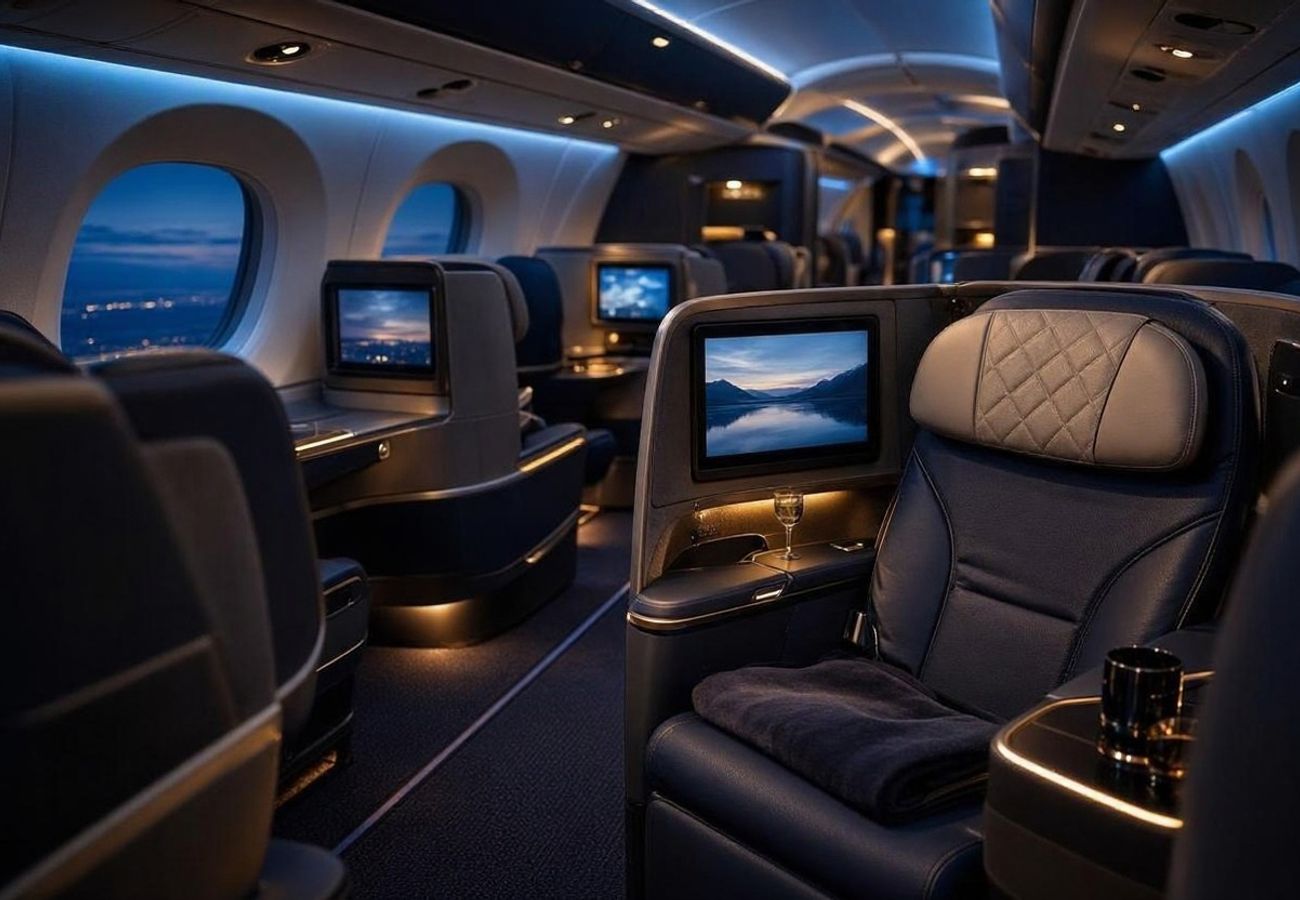
US Airline Passengers' Bill of Rights 2026: American Airlines Stock Slides 5% on Delay Payouts and Fee Bans

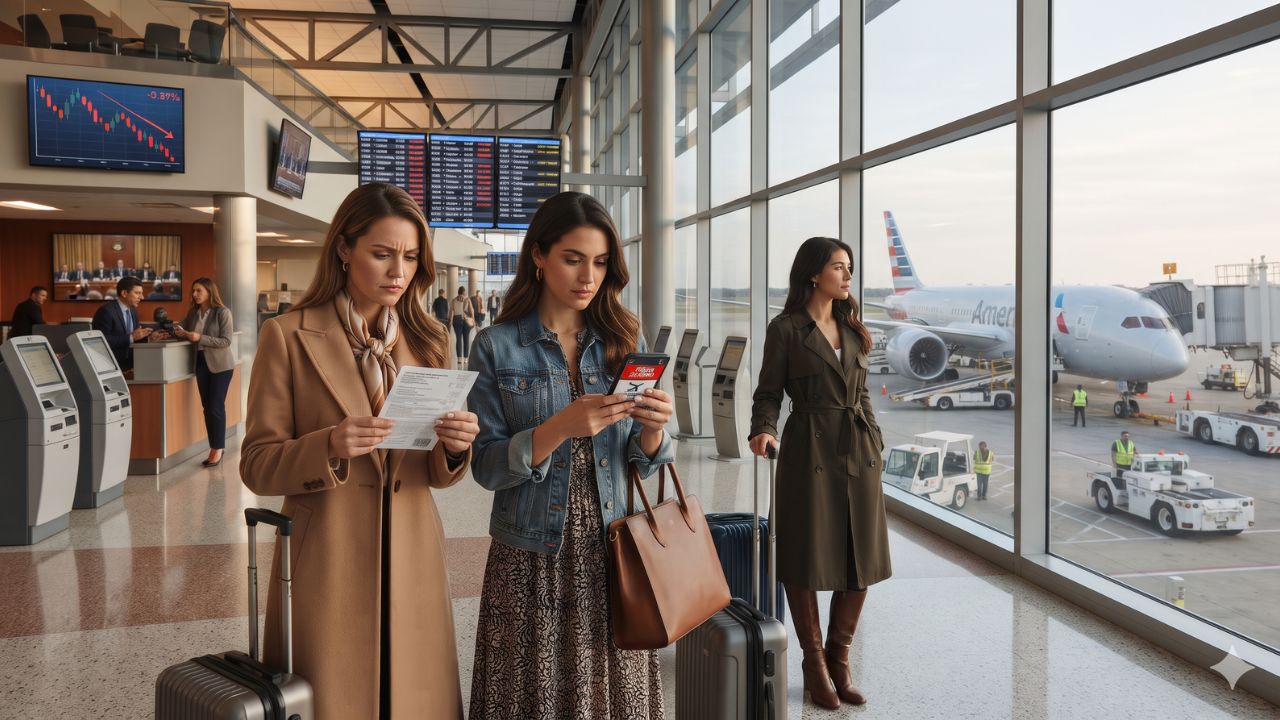
With 42% of disrupted airline travelers forced to absorb unreimbursed out-of-pocket expenses, renewed Senate momentum for the Airline Passengers’ Bill of Rights triggered an immediate 5% sell-off in American Airlines shares. On 25 November 2026, backing from Senators Jeff Merkley and Ron Wyden joined lead sponsors Richard Blumenthal and Edward Markey in advancing federal legislation that would mandate European-style cash compensation for carrier-controlled delays, cap ancillary fees, and establish a statutory $1,350 cash floor for passengers bumped from overbooked flights.
The market reaction highlights how dependent legacy US carriers have become on unbundled fees and loose delay liabilities. Facing high debt levels and operating with negative trailing twelve-month earnings per share, American Airlines Group Inc. (AAL) trades at a price-to-sales multiple near 0.14x, well below its historical median of 0.24x. Enforced through the US Department of Transportation (DOT), the proposed reforms threaten to reshape airline revenue structures by transforming chronic operational delays into direct balance-sheet liabilities.
Capitol Hill Momentum: Why Airline Stocks Slumped
The legislative push follows chronic air reliability issues. Lawmakers cited records showing nearly one in four US passengers faced flight delays or cancellations in 2024. Unlike European travelers protected by Regulation EC 261/2004, US flyers receive no statutory cash compensation when flights are delayed by carrier-controlled maintenance, IT glitches, or crew shortages.
The newly endorsed Senate bill dismantles this protection. Requiring airlines to provide mandatory cash compensation plus refunds for controllable disruptions introduces European-style consumer protections to domestic travel. Investors reacted immediately on 25 November 2026, anticipating compressed operating margins during holiday travel rushes.
Master Breakdown: Proposed Passenger Rights vs. Existing Rules
The following matrix contrasts the proposed Airline Passengers’ Bill of Rights against current aviation regulations:
| Protection Area | Current Standard vs. Proposed Reform | Financial Impact on Carriers |
|---|---|---|
| Controllable Delays | Currently refunds only; proposed mandatory cash payouts + refunds | Steep variable costs during IT, maintenance & crew delays |
| Overbooking Denials | Variable delay formulas; proposed $1,350 minimum cash payout floor | Eliminates expiring voucher settlements for bumped flyers |
| Mishandled Baggage | Discretionary credit; proposed immediate baggage fee cash refund | Eliminates ancillary revenue on delayed or lost suitcases |
| Cabin Seat Sizing | No pitch minimums; proposed federal safety caps on seat-shrinking | Curbs dense seating configurations and protects evacuation |
| Fee Transparency | Unbundled fees; proposed upfront disclosure and add-on fee limits | Restricts high-margin seat selection and bag surcharges |
| Enforcement Powers | Limited consent orders; proposed enhanced DOT penalty powers | Substantially higher fines for chronic schedule failures |
Core Statutory Pillars: What the 2026 Bill Mandates
The legislation focuses on four primary consumer reforms:
1. Mandatory Cash Payouts for Controllable Delays
When airlines disrupt schedules through internal failures—maintenance backlogs, IT crashes, or crew shortages—the bill requires automatic cash payouts alongside refunds, barring carriers from substituting travel credits.
2. A $1,350 Overbooking Restitution Floor
The bill establishes a $1,350 cash payment floor for any traveler involuntarily denied boarding, ensuring fair restitution when flights are oversold.
3. Immediate Baggage Fee Refunds
If checked baggage is delayed or lost, airlines must instantly refund baggage fees directly to the traveler's payment method.
4. Halting Seat Shrinkage for Evacuation Safety
With seat pitch dropping as low as 28 inches on some carriers, the bill empowers the Federal Aviation Administration to establish minimum seat width and legroom standards to ensure safe cabin evacuations.
Financial Vulnerability: Why American Airlines Faces Elevated Risk
While the legislation targets all commercial carriers, American Airlines faces particular financial sensitivity. The carrier carries significant corporate debt accumulated during fleet renewal programs and post-pandemic operating recovery.
Trading at a price-to-sales valuation of 0.14x compared to its historical median of 0.24x, American Airlines operates with thin profit margins. When operational snarls occur—such as the recent O'Hare ground stops or regional air traffic delays—turning stranded aircraft into mandatory statutory liabilities directly threatens quarterly operating cash flows.
Lawmakers noted that a 2025 consumer survey revealed 42% of delayed travelers incurred unreimbursed expenses for hotel rooms, replacement ground transport, and meals. Transferring those costs back to airlines removes the financial incentive for carriers to over-schedule flights without adequate crew buffers.
Visitor Insider Tips for Protecting Travel Itineraries Today
While Congress debates the new legislation, travelers can protect their rights under existing rules:
- Insist on Cash Refunds Over Vouchers: If an airline cancels your flight or makes a significant schedule change and you decline alternate transport, DOT regulations entitle you to an immediate cash refund to your credit card, not a travel voucher.
- Negotiate Involuntary Bumping Compensation: If an airline attempts to bump you involuntarily due to overbooking, do not accept travel credit vouchers. Insist on immediate written explanation of your rights and demand statutory cash or check compensation.
- Document Controllable Operational Failures: If a delay is caused by an aircraft maintenance issue or late crew arrival, photograph gate information boards and save digital airline notifications. Airlines cannot classify mechanical repairs as "weather emergencies" to escape responsibility.
- Track Congressional Action via Legislative Portals: Follow the legislative trajectory of the Airline Passengers’ Bill of Rights through the United States Senate to monitor implementation timelines and committee revisions.
- Book Flights with Fee-Free Changes: When booking holiday itineraries, select airlines or fare tiers that eliminate change fees, allowing you to self-rebook if initial flights encounter early signs of terminal gridlock.
Cultural and Economic Balance in American Aviation
Commercial aviation is a fundamental public utility that underpins regional commerce and family life. Yet decades of deregulation have allowed passenger comfort and service reliability to take a back seat to aggressive revenue optimization.
The debate in Washington reflects a growing consensus that airline profitability cannot rely on unbundled hidden fees and uncompensated travel delays. Aligning US aviation standards with international norms encourages carriers to build realistic flight schedules, maintain adequate standby staff, and treat passengers as valued customers rather than captive commodities.
FAQ: US Airline Passengers' Bill of Rights 2026
What is the proposed compensation for overbooked flights?
The bill establishes a statutory minimum cash payment floor of $1,350 for passengers involuntarily denied boarding due to airline overbooking.
Why did American Airlines stock fall on 25 November 2026?
American Airlines shares dropped approximately 5% as investors reacted to new Senate endorsements for the bill, which threatens profit margins through mandatory delay compensation and fee caps.
Does the bill require compensation for weather-related flight delays?
No. The legislation specifically targets carrier-controlled delays, such as mechanical breakdowns, IT outages, and crew scheduling failures, exempting severe external weather events.
Is the Airline Passengers' Bill of Rights federal law yet?
No. The proposal is active legislation before the US Congress and must pass both the Senate and the House of Representatives before being signed into law.
As Capitol Hill rethinks the rules of the sky, passengers may soon find that accountability travels in the cabin on every flight.
Related Travel Guides
- Breeze Airways Expands to 95 Destinations: Nine New Nonstop Routes Across the US and Caribbean 2026–2027
- China Spring Festival Travel 2026: Chunyun Airfare Surges, 9.5 Billion Journeys, and Global Holiday Comparisons
- American Airlines Flight AA1494 Diverts to Phoenix: Door Tampering Scare, Passenger Rights, and Holiday Air Security
This article is for informational purposes. Flight routes, passenger regulations, visa rules, and transit advisories are subject to change by airlines and aviation authorities. Readers are advised to verify schedules and travel documentation with relevant carriers and border agencies before departure.
Related Stories
Thanksgiving Airfare Surge 2026: American Airlines and Holiday Flight Price Guide
American Airlines AI Rebooking Errors Trigger Corporate Duty-of-Care Crisis: AURA Algorithm, Premature Seat Cancellations, and DOT Rights