
United Express Flight RPA3672 Embraer E175LR Diverts to Indianapolis International Airport from Newark to Detroit in 2026
Republic Airways operated United Express Flight RPA3672 diverted to Indianapolis International Airport on July 21, 2026, while en route from New York Newark to Detroit.

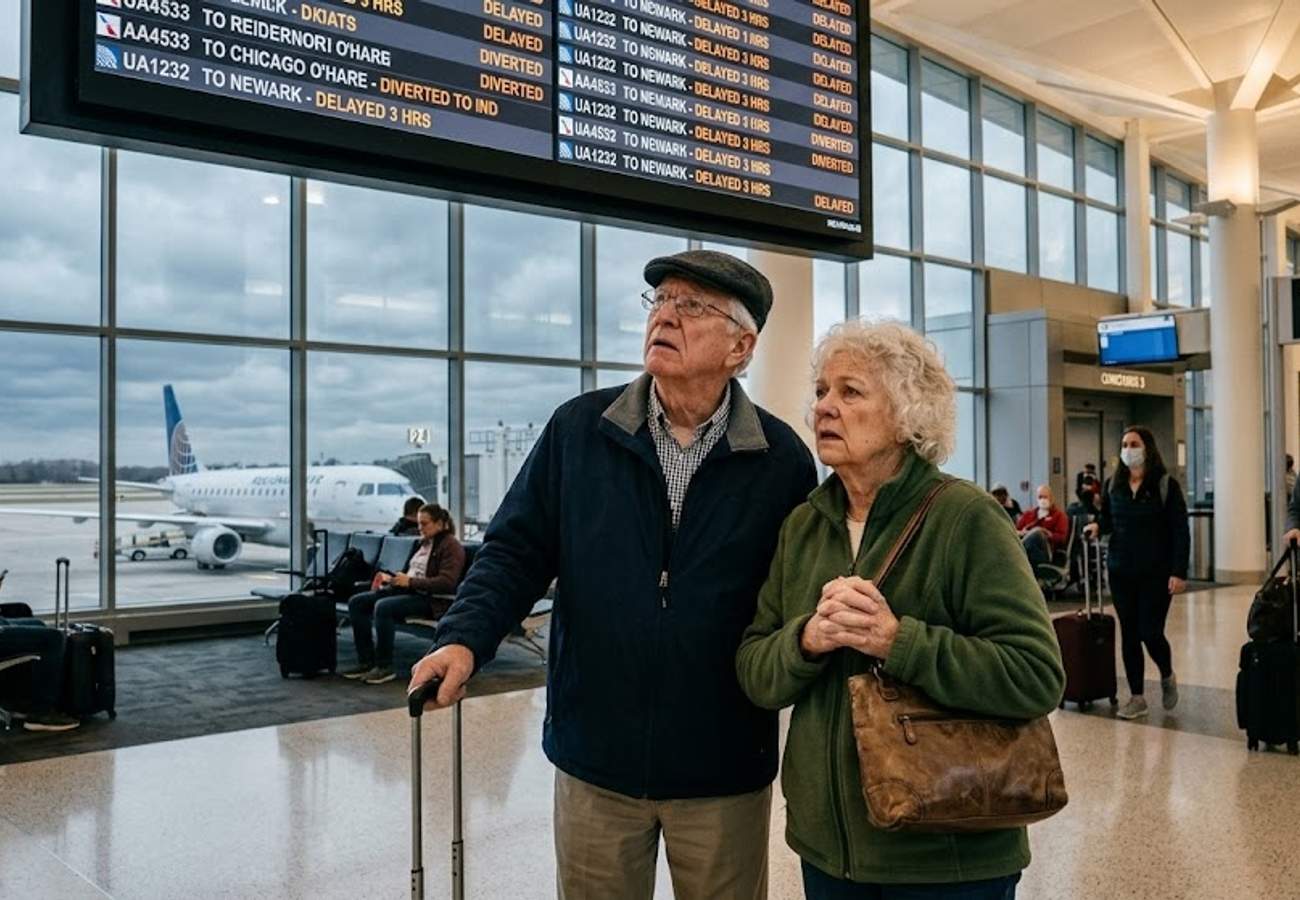
Image generated by AI
[Indianapolis, July 21] — A commercial flight operated by Republic Airways on behalf of United Express was forced to deviate from its scheduled flight path on July 21, 2026. Flight RPA3672, an Embraer E175LR traveling from New York Newark Liberty International Airport to Detroit Metropolitan Wayne County Airport, performed an unplanned landing at Indianapolis International Airport.
The diversion occurred mid-transit, prompting a change in course that diverted the aircraft and its passengers away from their intended Michigan destination. While the flight was expected to maintain a direct trajectory to Detroit, tracking data confirmed the aircraft transitioned to an approach for Indianapolis, Indiana, where it landed safely.
Route Deviation of United Express Flight RPA3672
The flight in question, RPA3672, utilized an Embraer E175LR aircraft registered as N739YX. According to flight tracking reports, the aircraft successfully departed from Newark but shifted its heading before it could reach the Detroit Metropolitan Wayne County Airport.
This unexpected change in itinerary occurred during a period of high travel demand, where passengers frequently rely on strict schedules to maintain onward connections at major US hubs. Despite the deviation, industry observers note that the crew executed the landing in Indianapolis according to standard aviation protocols, ensuring the safety of all occupants on board.
Operational Factors Behind the Indianapolis Diversion
Official statements regarding the specific cause of the diversion for Flight RPA3672 have not yet been released by the operating carriers. However, aviation protocols dictate that pilots may opt for a diversion based on several critical variables. These typically include emerging technical irregularities, medical emergencies involving passengers or crew, sudden shifts in weather patterns, or specific air traffic control directives.
The decision to divert is rarely a snap judgment; it is the result of a comprehensive assessment involving aircraft system diagnostics, real-time meteorological data, and coordination with the airline's operational control center. In the context of this event, the move to Indianapolis is viewed by analysts as a precautionary safety measure rather than a response to a catastrophic failure.
Indianapolis International Airport was selected as the diversion point likely due to its robust infrastructure. With multiple runways and extensive ground support capabilities, the facility is well-equipped to manage diverted commercial traffic and provide the necessary technical or medical support required by an arriving aircraft.
Safety Profile of the Embraer E175LR Aircraft
The aircraft involved, the Embraer E175LR, is a staple of the North American regional aviation sector. It is specifically engineered for short-to-medium-haul routes, prized by regional carriers for its fuel efficiency and reliability in connecting primary hubs with secondary markets.
During the diversion of N739YX, the flight crew adhered to rigorous safety training designed to prioritize passenger wellbeing over schedule adherence. Aviation safety standards emphasize that the ability to divert to an alternate airport is a fundamental safety layer. Modern aircraft like the E175LR are equipped with redundant systems, allowing pilots to make informed decisions to land at an alternate site if conditions necessitate further evaluation.
Passenger Impact and Logistics from Newark to Detroit
The diversion created immediate logistical challenges for the passengers traveling from New York Newark to Detroit. Because the aircraft landed in Indianapolis rather than the intended destination, travelers faced significant delays and the potential disruption of connecting flights.
Following the landing, Republic Airways and United Express teams were tasked with coordinating with Indianapolis airport staff to manage the passenger experience. The resolution for affected travelers—whether through rebooking, ground transportation, or waiting for the original aircraft to resume its journey—depends on the underlying cause of the diversion and the availability of replacement aircraft.
Industry reports indicate that while such diversions cause frustration, they are the primary mechanism used by airlines to mitigate risk. Passengers on Flight RPA3672 were required to follow instructions from ground crew and airline representatives while the operational response was finalized.
Aviation Safety and the Role of Alternate Airports
The incident involving Flight RPA3672 underscores the critical role of the "alternate airport" system within the United States aviation network. The seamless transition from a Detroit-bound flight to an Indianapolis landing demonstrates how regional airport networks act as a safety net for commercial aviation.
As of the latest reports, there is no evidence to suggest a major safety breach or a critical mechanical failure. The event highlights the standard operating procedure where safety takes precedence over the flight schedule. Travelers are encouraged to utilize official airline digital channels to track the status of diverted flights and manage rebooking options.
| Flight Detail | Information |
|---|---|
| Flight Number | RPA3672 |
| Operating Carrier | Republic Airways (United Express) |
| Aircraft Model | Embraer E175LR |
| Aircraft Registration | N739YX |
| Departure Airport | New York Newark Liberty International |
| Intended Destination | Detroit Metropolitan Wayne County |
| Diversion Airport | Indianapolis International Airport |
| Date of Incident | July 21, 2026 |
Why This Matters: The Broader Aviation Perspective
The diversion of Flight RPA3672 is a textbook example of the "safety-first" culture prevalent in modern aviation. While the public often views a diversion as a failure of the system, it is actually a success of the safety protocol. The fact that a crew identifies a potential issue and chooses a safe alternate airport like Indianapolis—rather than attempting to push through to the destination—prevents minor irregularities from escalating into emergencies.
Furthermore, this event highlights the dependency of the "hub-and-spoke" model on regional aircraft like the Embraer E175LR. When a regional flight is diverted, it creates a ripple effect not just for the passengers on that plane, but for the timing of subsequent flights operated by that specific tail number (N739YX). This operational fragility is why airlines maintain strict diversion protocols to ensure that a single aircraft issue does not compromise the safety of the wider network.
Safety protocols in the sky often mean unplanned stops on the ground.
Related Travel Guides
Disclaimer
This article is for informational and educational purposes only. It does not constitute legal, financial, or professional advice. While we strive to provide accurate and up-to-date information, travel policies, regulations, and conditions change rapidly. Always verify information with official sources before making travel decisions. Nomad Lawyer makes no representations about the accuracy, reliability, completeness, or suitability of the information provided. Readers should consult qualified professionals for advice specific to their circumstances. The views expressed in this article are those of the author and do not necessarily reflect the views of Nomad Lawyer.
Kunal K Choudhary
Co-Founder & Contributor
A passionate traveller and tech enthusiast. Kunal contributes to the vision and growth of Nomad Lawyer, bringing fresh perspectives and driving the community forward.
Learn more about our team →