
United, Delta, and Southwest Airlines Ban Humanoid Robots from US Commercial Flights in 2026
United, Delta, and Southwest Airlines have implemented a blanket ban on humanoid and animal-like robots across passenger cabins and cargo operations due to fire hazards and evacuation risks.

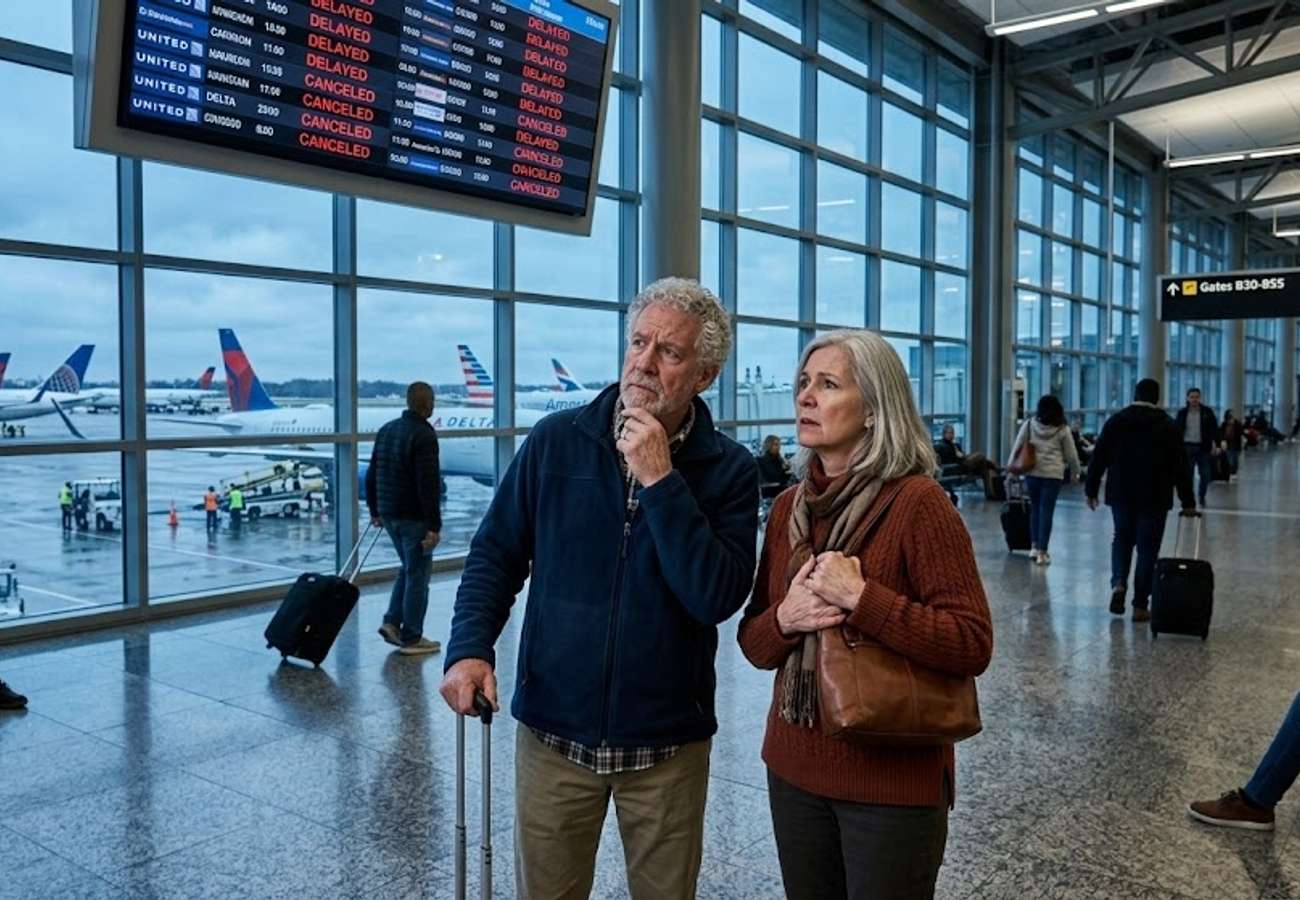
Image generated by AI
Major US carriers have officially prohibited the transport of humanoid and animal-like robots in passenger cabins, checked baggage, and cargo operations. This coordinated policy shift follows a series of high-profile incidents where advanced machines occupied passenger seats, sparking urgent concerns over thermal runaway risks and emergency exit obstructions.
The Core Transit Update: New Restrictions on Advanced Robotics
In a significant shift in aviation policy, United Airlines, Delta Air Lines, and Southwest Airlines have introduced strict bans on robots designed to imitate human or animal appearance, movement, or behavior. These restrictions are effective as of July 2026 and apply across all commercial operations within the United States.
The decision stems from a regulatory gap; current Federal Aviation Administration (FAA) guidelines are designed for traditional luggage, mobility devices, and service animals, but do not account for the complex mechanical structures and high-capacity power systems found in humanoid robotics.
The ban is not absolute for all technology. Small consumer electronics, robotic toys, and household devices (such as robotic vacuum cleaners) remain permitted, provided they adhere to existing battery and size limitations.
Robot Transit Restrictions and Permitted Exceptions
| Airline | Policy Status | Prohibited Areas | Permitted Exceptions |
|---|---|---|---|
| United Airlines | Banned (Eff. July 23, 2026) | Carry-on, checked luggage, and cargo | Small robotic toys; consumer electronics meeting standard rules |
| Delta Air Lines | Temporary Ban (July 2026) | Carry-on, checked luggage, and transport | Consumer tech and robotic appliances meeting aviation rules |
| Southwest Airlines | Banned (Eff. May 2026) | Carry-on and checked baggage | Standard non-humanoid electronics within battery limits |
The Catalysts: "Bebop" and "Stewie" Incidents
The policy acceleration was triggered by two specific events that exposed the inadequacy of current boarding and safety protocols:
- The Bebop Incident (April 2026): A passenger purchased a dedicated seat on a Southwest Airlines flight from Oakland to San Diego for "Bebop," a 70-pound entertainment robot. This forced crew to confront unresolved questions regarding battery handling and emergency management for non-human passengers.
- The Stewie Incident (May 2026): A 3.5-foot-tall humanoid robot named "Stewie" traveled on a flight between Las Vegas and Dallas using a passenger ticket. The robot's ability to navigate the terminal and occupy a seat created a viral precedent that highlighted the lack of a formal classification for robotic entities.
Infrastructure Impact Assessment: Safety and Logistics
The ban is driven by two primary technical concerns: energy density and physical architecture.
Lithium-Ion Battery Hazards Humanoid robots require massive energy reserves to power articulated limbs, AI processing, and sensors. While the FAA generally limits passenger lithium-ion batteries to 100 watt-hours (Wh)—with approval required for up to 160 Wh—humanoid systems often far exceed these limits. Because these batteries are integrated into complex metal frames, they are difficult to inspect or remove during a thermal runaway event, increasing the risk of uncontrollable in-flight fires.
Cabin Evacuation and Spatial Risks Commercial aircraft are designed for predictable human movement. Humanoid robots, characterized by heavy metal frames and irregular shapes, cannot be secured in overhead bins or under seats. In the event of an emergency evacuation, a 70-pound metallic entity in a passenger seat or aisle represents a significant obstruction, potentially slowing the egress of human passengers and violating safety mandates for clear exit pathways.
Traveler Logistics Guide: Navigating Robot Transport
From a ground-level perspective, the best way to navigate these new rules is to distinguish between "consumer electronics" and "humanoid robotics." If your device has a human-like form or exceeds standard laptop battery capacities, it will likely be flagged at the gate.
Booking and Connection Advice:
- Verify Battery Wh: Ensure any robotic device you carry has a clearly labeled battery capacity. If it exceeds 100 Wh, contact the airline at least 72 hours before departure to request a special permit.
- Avoid "Seat Purchasing" for Robots: Attempting to book a seat for a humanoid robot is no longer a viable workaround. Airlines now explicitly classify these as prohibited items, not passengers.
- Classification Clarity: Do not attempt to list a humanoid robot as a "mobility device" or "service animal." Delta and other carriers have explicitly stated that these machines do not qualify for accessibility protections.
Digital Transit Policy Tips: For those transporting high-value electronic components, utilize specialized cargo services rather than passenger flights. Ensure all shipments are declared as "Dangerous Goods" if they contain large lithium batteries to avoid seizure at security checkpoints.
Aviation authorities are now awaiting the development of global safety standards to determine if a specialized "Robotic Cargo" class can be established for future transit.
Related Travel Guides
Disclaimer
This article is for informational and educational purposes only. It does not constitute legal, financial, or professional advice. While we strive to provide accurate and up-to-date information, travel policies, regulations, and conditions change rapidly. Always verify information with official sources before making travel decisions. Nomad Lawyer makes no representations about the accuracy, reliability, completeness, or suitability of the information provided. Readers should consult qualified professionals for advice specific to their circumstances. The views expressed in this article are those of the author and do not necessarily reflect the views of Nomad Lawyer.
Kunal K Choudhary
Co-Founder & Contributor
A passionate traveller and tech enthusiast. Kunal contributes to the vision and growth of Nomad Lawyer, bringing fresh perspectives and driving the community forward.
Learn more about our team →