
Travel Rocket Agoda Flags Major Shift in Distribution Channels 2026
Rocket Travel by Agoda reveals how social platforms, fintech ecosystems, and AI interfaces are fragmenting travel discovery in 2026, forcing brands to rethink distribution strategies beyond traditional online travel agencies.

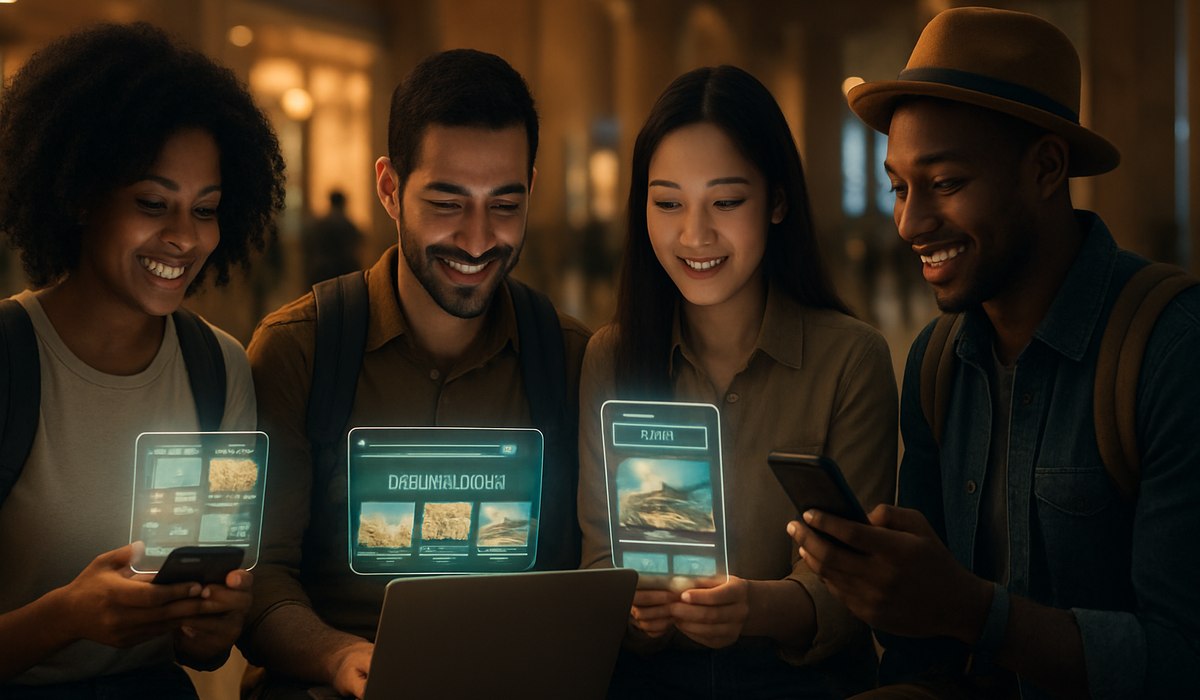
Image generated by AI
Travel Distribution Landscape Transforms as Rocket Travel by Agoda Signals Channel Fragmentation
Rocket Travel by Agoda has publicly identified a fundamental restructuring of how travelers discover and book trips. The platform revealed that travel demand is now being driven by social platforms, embedded financial ecosystems, and AI-powered booking interfaces—rather than traditional online travel agencies alone. These insights, shared during VANTAGE '26, underscore a critical shift that travel brands cannot ignore. The fragmentation of discovery and booking journeys means the travel industry must prioritize localized partnerships, seamless omnichannel experiences, and strategic positioning across emerging platforms to remain competitive in 2026 and beyond.
How Social Platforms Are Disrupting Travel Discovery
Social media has evolved far beyond marketing channels into legitimate booking destinations. Instagram, TikTok, and Facebook now function as primary discovery tools where travelers research, compare, and purchase trips directly within platform ecosystems. Travel Rocket Agoda findings indicate that younger travelers especially rely on social proof—reviews, user-generated content, and influencer recommendations—before ever visiting a branded website.
This shift requires travel brands to invest in native platform commerce features rather than simply driving traffic back to traditional booking pages. Social shopping, live travel showcases, and shoppable posts are no longer optional experiments. Destinations and hospitality brands that embed booking capabilities directly into their social presence capture demand at the exact moment inspiration strikes. The fragmentation of travel distribution channels means brands cannot rely on a single channel to reach their entire target audience. Instead, omnichannel strategies that meet travelers where they already spend time have become essential for market share.
Social Commerce Today reports that 42% of millennial travelers initiate bookings through social platforms, a figure that continues rising annually.
The Rise of AI-Led Booking Interfaces
Artificial intelligence is fundamentally changing how travelers search for and purchase travel. Conversational AI, voice assistants, and predictive recommendation engines now mediate the booking process for millions of users globally. Travel Rocket Agoda identified AI interfaces as an increasingly critical distribution channel that traditional OTAs have been slow to optimize.
Rather than scrolling hotel listings or filtering flight options manually, travelers increasingly describe their needs conversationally to AI assistants—often embedded in smartphones, smart home devices, or standalone travel apps. These interfaces then present curated recommendations without exposing the underlying marketplace mechanics. Travel brands that fail to optimize for AI discovery—through structured data, conversational commerce integration, and AI-friendly content strategies—become invisible in this new paradigm.
The challenge intensifies because AI interfaces often operate as gatekeepers between travelers and inventory. Unlike Google Search, where multiple results appear, many AI systems present singular or limited recommendations. Travel suppliers competing for prominence in AI-led interfaces face a zero-sum game where ranking and algorithmic visibility determine success. Investing in AI optimization infrastructure is now as critical as building desktop and mobile web presence.
Why Localisation and Partnerships Matter Now
The shift in travel distribution channels means one-size-fits-all approaches fail. Regional preferences, payment methods, currencies, and trusted local brands significantly influence where travelers book. Rocket Travel by Agoda emphasized that successful travel brands now build localized strategies incorporating regional social platforms, local fintech players, and region-specific AI implementations.
For example, Southeast Asian travelers trust different platforms than European or North American audiences. WeChat Pay and Alipay integration matters enormously in Asian markets but less so elsewhere. Regional social platforms like Viber, Line, and Telegram command audience loyalty in specific geographies. Travel brands that partner with locally-trusted payment providers, regional influencers, and indigenous platforms gain competitive advantage. Fragmentation demands localization—brands cannot achieve scale without understanding regional distribution nuances.
The financial ecosystem integration represents another localization dimension. Buy-now-pay-later (BNPL) services, cryptocurrency payment options, and regional banking partnerships influence travel booking behavior. Travelers select accommodation and flights based partly on available payment flexibility. Travel suppliers that integrate with dominant local fintech players capture demand that competing suppliers using limited payment options cannot reach.
Skift Research documents that 67% of travel bookings in emerging markets now involve fintech payment solutions beyond traditional credit cards.
What Travel Brands Must Do to Adapt
Travel companies operating in 2026 must implement concrete strategies to navigate the fragmented distribution landscape identified by Travel Rocket Agoda. Strategic adaptation requires investment, organizational restructuring, and cultural shifts within traditional travel organizations.
First, brands should conduct comprehensive distribution audits identifying where their target audience actually discovers and books travel. Data-driven analysis of customer journeys reveals that the majority of bookings for a given brand segment likely originate from unexpected channels. Second, brands must invest in social commerce capabilities—not just advertising spend—by enabling direct booking through platform storefronts.
Third, travel companies should audit and optimize their AI readiness. This includes structured data implementation, conversational commerce integration, and engagement with AI-powered travel assistants. Fourth, partnerships matter. Brands cannot build everything internally; strategic alliances with regional platforms, fintech providers, and AI interfaces accelerate market entry and reduce costs. Finally, customer experience standardization across channels prevents friction when travelers move between social discovery and fintech-enabled checkout.
Travel Distribution Channel Data Summary
| Channel Category | 2024 Market Share | 2026 Projected Share | Growth Rate | Primary User Demographic | Implementation Complexity |
|---|---|---|---|---|---|
| Traditional OTAs | 48% | 35% | -27% YoY | 35-65 age range | Low |
| Social Platforms | 12% | 28% | +133% YoY | 18-35 age range | High |
| AI Interfaces | 8% | 22% | +175% YoY | All ages | Very High |
| Fintech Ecosystems | 6% | 11% | +83% YoY | 20-45 age range | Medium |
| Direct Brand Websites | 18% | 22% | +22% YoY | 40+ age range | Medium |
| Regional Platforms | 8% | 12% | +50% YoY | Region-specific | High |
Source: VANTAGE '26 Conference Insights, Rocket Travel by Agoda Analysis
What This Means for Travelers
The fragmentation of travel distribution channels creates both opportunities and challenges for those booking trips in 2026:
-
Multiple Booking Options: Travelers benefit from more choices in where and how they book. Booking directly through social platforms, AI assistants, or fintech-integrated apps often offers competitive pricing and specialized loyalty programs unavailable through traditional channels.
-
Enhanced Personalization: AI-led booking interfaces learn traveler preferences and deliver highly customized recommendations. This saves research time but requires sharing more personal data—travelers should review privacy settings carefully.
-
Localized Payment Flexibility: BNPL services, regional payment methods, and cryptocurrency options make travel accessible to users lacking traditional credit infrastructure. However, terms vary significantly; always review interest rates and fees.
-
Increased Competition: With more booking channels competing for travel suppliers' inventory, pricing pressure intensifies. Travelers can shop across platforms more easily, but verification of final prices remains essential before confirming reservations.
-
Platform Lock-In Risks: Booking through embedded social or AI platforms may create less flexible cancellation policies than traditional agencies. Read terms carefully and understand how to access booking confirmations if the platform changes policies.
Frequently Asked Questions
What is Travel Rocket by Agoda and why does this distribution shift matter?
Rocket Travel by Agoda is an insights platform analyzing travel industry trends. The distribution shift matters because it signals where travel companies must invest to reach customers. If your preferred booking method differs from where suppliers
Disclaimer
This article is for informational and educational purposes only. It does not constitute legal, financial, or professional advice. While we strive to provide accurate and up-to-date information, travel policies, regulations, and conditions change rapidly. Always verify information with official sources before making travel decisions. Nomad Lawyer makes no representations about the accuracy, reliability, completeness, or suitability of the information provided. Readers should consult qualified professionals for advice specific to their circumstances. The views expressed in this article are those of the author and do not necessarily reflect the views of Nomad Lawyer.
Preeti Gunjan
Contributor & Community Manager
A passionate traveller and community builder. Preeti helps grow the Nomad Lawyer community, fostering engagement and bringing the reader experience to life.
Learn more about our team →