United Airlines Flight UAL2173 Airbus A319 Makes Emergency U-Turn at Denver International Airport on July 17 2026

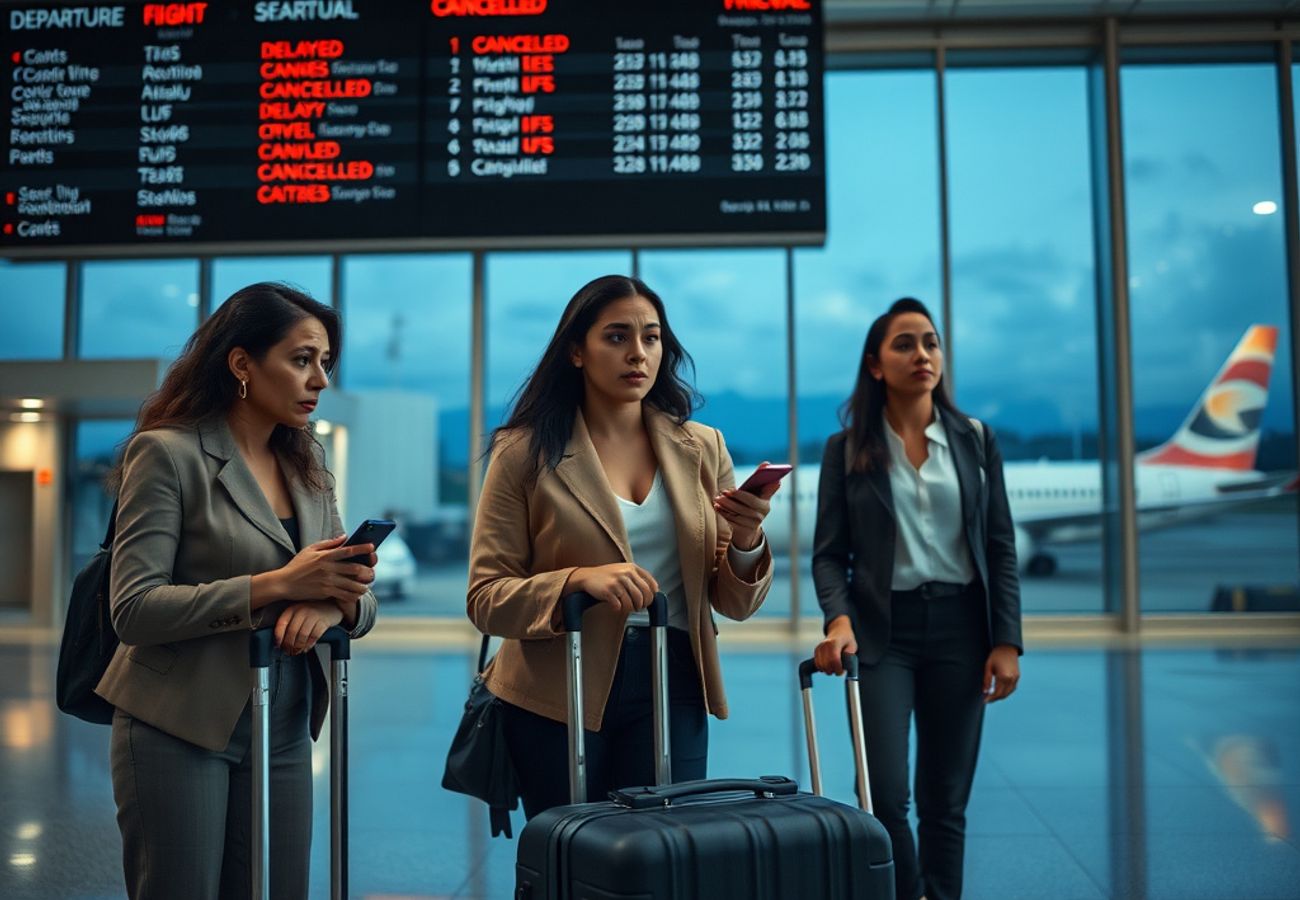
Image generated by AI
United Airlines flight UAL2173, an Airbus A319-131 traveling from Denver to Hayden, was forced to execute an emergency mid-air return to Denver International Airport (DEN) on July 17, 2026, following a technical malfunction and significant departure delays.
The operational disruption began with an extensive ground delay that pushed the actual departure time to 21:20 MDT. This delay meant the aircraft would miss its scheduled arrival time (STA) of 20:07. Shortly after takeoff, a mechanical emergency involving a system malfunction triggered cockpit alarms, prompting the flight crew to abort the mission.
Flight tracking data indicates that the pilots performed a sharp mid-air loop over local airspace to safely return the aircraft to the Denver hub. The decision to return to DEN was based on the limited maintenance facilities and strict nighttime operational constraints at the destination airport in Hayden (HDN).
Flight and Airport Impact Breakdown
- Flight Number: UAL2173
- Aircraft Model: Airbus A319-131 (Tail Number: N803UA)
- Origin: Denver International Airport (DEN)
- Destination: Hayden (HDN)
- Scheduled Arrival (STA): 20:07 MDT
- Actual Departure: 21:20 MDT
- Incident: Mid-air U-turn and emergency return to origin hub
- Primary Cause: Technical anomaly/system malfunction following ground delays
Passenger Rights and Advisory
Passengers affected by the diversion of UAL2173 are entitled to specific protections under U.S. Department of Transportation (DOT) guidelines and airline contract of carriage policies. Because the return was triggered by a technical anomaly—which is generally classified as a controllable irregularity—passengers have the following rights:
- Rebooking: United Airlines is required to re-accommodate passengers on the next available flight to Hayden. In this instance, the carrier organized relief flights for the following morning.
- Accommodations: For overnight disruptions caused by controllable mechanical issues, airlines typically provide hotel vouchers and ground transportation.
- Refunds: If a passenger chooses not to travel on the rebooked flight, they are entitled to a full refund of the unused portion of the ticket, regardless of whether the ticket was non-refundable.
- Duty of Care: Travelers should retain all receipts for reasonable expenses (meals, toiletries) incurred during the delay, as these may be reimbursable.
Industry Analyst View
Our analysis indicates that this incident highlights the precarious nature of regional "short-hop" operations. When a flight is delayed past a certain window, the operational viability of landing at a regional airfield like Hayden diminishes rapidly due to limited ground crew support and strict nighttime curfews.
The decision to return to a primary hub like Denver is the most prudent risk-management strategy. Primary hubs offer comprehensive maintenance capabilities and superior passenger recovery infrastructure. For the carrier, the cost of a mid-air return is significantly lower than the logistical nightmare of grounding a mechanically compromised aircraft at a remote outpost with no available technicians or hotel capacity.
Safety protocols and cockpit alarm responses remain the definitive priority over schedule adherence in regional aviation.
Related Travel Guides
This article is for informational purposes. Flight routes, passenger regulations, visa rules, and transit advisories are subject to change by airlines and aviation authorities. Readers are advised to verify schedules and travel documentation with relevant carriers and border agencies before departure.
Related Stories
Wizz Air Flight Diverts to Budapest After Mid-Air Threat: NATO Gripen Escort and Passenger Guide

Kuwait Airways Connects Gulf Travelers Directly to Phuket and Tbilisi in 2026 Route Expansion