
Travel Alert: United Airlines Faces Hygiene Complaint on Tokyo Flight
A passenger on United Airlines Flight UA837 from San Francisco to Tokyo raises hygiene concerns regarding sealed Polaris business-class bedding.

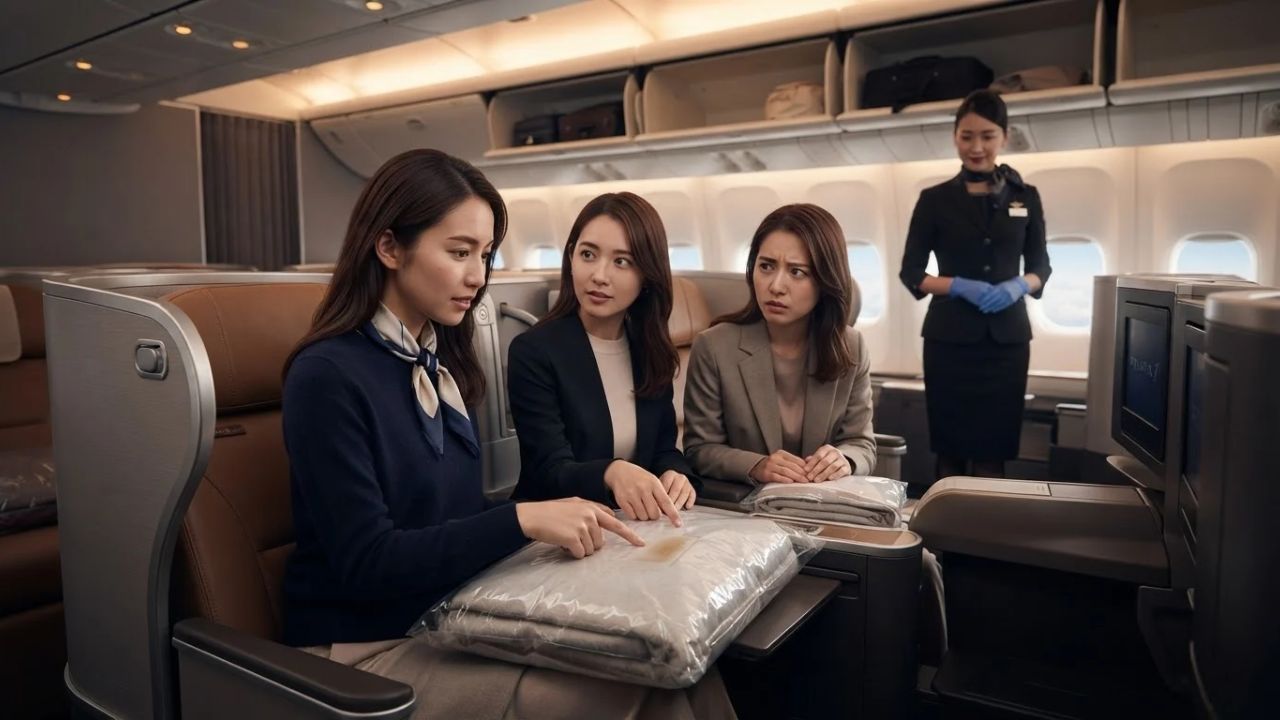
Image generated by AI
A passenger on United Airlines Flight UA837 from San Francisco to Tokyo raises hygiene concerns regarding sealed Polaris business-class bedding. The Federal Aviation Administration (FAA) indicates that onboard cleanliness standards coordinate consumer trust, supporting passenger safety expectations across international long-haul routes.
The Transition of Premium Cabins to High-Scrutiny Cleanliness Zones
A significant trend in international aviation planning is the transition of premium passenger cabins into high-scrutiny cleanliness zones. Historically, global network carriers promoted business and first-class services primarily through seating dimensions, luxury catering partnerships, and designer amenity kits, treating cabin cleaning as a rapid behind-the-scenes sweep between flights. In 2026, the rise of passenger sharing on social travel networks and heightened awareness of biological safety encourages travelers to inspect reusable bedding and cabin surfaces, transforming minor hygiene oversights into immediate reputational concerns that affect brand loyalty.
By managing localized passenger complaints transparently, airlines protect traveler confidence. This quality-focused service model coordinates pressure across aircraft cleaning contractors, laundry suppliers, and gate handlers.
United Airlines Flight UA837 Incident Parameters
The reported cabin hygiene complaint occurred during a transpacific flight between California and Japan:
- Active Flight Number: Operating as United Airlines Flight UA837.
- Aviation Corridor: Departed San Francisco International Airport (SFO) for Tokyo Narita International Airport.
- Aircraft Fleet: Serviced by a widebody Boeing 777 passenger aircraft.
- Premium Cabin Class: The incident took place within the Polaris business class cabin.
- Passenger Allegation: A traveler claimed to find dried brown material (alleged to be dried feces) inside the sealed, folded blanket package delivered to his seat.
- Cabin Crew Response: Flight attendants used protective gloves to collect the affected bedding; however, since the flight was fully booked, the passenger could not be relocated.
No independent verification of the material has been publicly confirmed, and it remains an unverified claim.
United States-Japan Aviation Sourcing and Cleanliness Coordinates
The table below breaks down the project sectors, flight numbers, aircraft types, affected cabins, gateway hubs, and coordinating authorities recorded on August 24, 2026:
| Core Project Sector | Flight Number | Aircraft Type | Affected Cabin | Gateway Hubs | Coordinating Authority |
|---|---|---|---|---|---|
| Aviation hygiene | Flight UA837 | Boeing 777 widebody | Polaris business class | San Francisco (SFO) | Federal Aviation Admin |
| Quality control | Transpacific route | Reusable bedding | Sealed blanket package | Tokyo Narita (NRT) | Department of Transport |
| Passenger experience | Scheduled service | Biological check | Cabin crew response | SFO Terminal gates | Japan Civil Aviation Bureau |
These coordinates outline the flights, aircraft, cabins, hubs, and authorities established for the cabin safety programs.
Resource Stewardship and Eco-Aware International Travel
For the traveler, the benefit of choosing airlines that implement strict recycling and washing standards for premium cabin blankets is the reduction in carbon emissions compared to single-use plastics and paper products. Sourcing meals from independent local vendors in Tokyo rather than purchasing packaged airport snacks minimizes plastic waste.
Additionally, keeping flight booking records digitally on mobile applications avoids paper printout waste. Reporting cabin maintenance issues directly through official digital channels helps ground crews coordinate rapid maintenance before the next departure loop.
For comparison, you can explore the changing dynamics of AirAsia Issues Travel Advisory for Malaysia National Day closures to see how regional airlines coordinate scheduling advisories. For transit updates, comparing travel scheduling matches other networks, such as U.S. Issues Level 1 Travel Advisory for Yucatán and Campeche updates. This trend is similar to the tourism growth seen in other destinations, as detailed in our guide on the Hacienda Heights Bus Fire Transport Safety regulations.
Traveler Insider Tips: Managing Cabin Bedding Hygiene
If you are planning an upcoming long-haul business class flight, keep these practical tips in mind:
- Inspect Bedding Upon Boarding: Open your sealed blanket and pillow packaging during boarding to verify cleanliness before the cabin doors close.
- Coordinate Alternate Seating Early: Inform the crew immediately if you notice cabin cleanliness issues, as it is easier to relocate before the flight departs.
- Carry Hand Sanitizer Wipes: Wipe down tray tables, armrests, and personal screen controllers to ensure general sanitation during your flight.
- Verify Transit Requirements Online: Confirm travel entry regulations for Japan on official portals to prevent border processing delays.
- Utilize Mobile Airline Applications: Download the carrier's application to receive real-time updates on gate changes and baggage claim carousels.
Long-Term Outlook for Global Aviation Hygiene Standards
The long-term outlook for transit is focused on introducing automated UV-C sanitation sweeps inside passenger cabins between flights, upgrading quality checks at regional laundry facilities, and deploying biodegradable packaging for all passenger comfort products. As international passenger travel grows, national civil aviation departments and airline associations will cooperate to maintain passenger standards.
By developing sustainable transit options and protecting cabin environments, the aviation sector aims to build a sustainable transport network.
FAQ
What happened on United Airlines Flight UA837?
A Polaris business class passenger flying from San Francisco to Tokyo Narita reported finding dried brown material inside his sealed blanket.
Was the material confirmed to be feces?
No, the material has not been independently verified, and there is no public confirmation proving the identity of the substance.
Which aircraft operated the San Francisco to Tokyo route?
The flight was operated using a widebody Boeing 777 passenger aircraft.
How do airlines manage reusable business class bedding?
Blankets and pillows are collected after flights, professionally laundered and inspected, and resealed in protective wrap before being loaded back onto aircraft.
Stay updated on regional travel regulations and cabin campaigns shaping transpacific transit.
Related Travel Guides
Disclaimer
This article is for informational and educational purposes only. It does not constitute legal, financial, or professional advice. While we strive to provide accurate and up-to-date information, travel policies, regulations, and conditions change rapidly. Always verify information with official sources before making travel decisions. Nomad Lawyer makes no representations about the accuracy, reliability, completeness, or suitability of the information provided. Readers should consult qualified professionals for advice specific to their circumstances. The views expressed in this article are those of the author and do not necessarily reflect the views of Nomad Lawyer.
Raushan Kumar
Founder & Lead Developer
Full-stack developer with 11+ years of experience and a passionate traveller. Raushan built Nomad Lawyer from the ground up with a vision to create the best travel and law experience on the web.
Learn more about our team →