United Airlines to Retire 80 Aircraft in 2027: Inside the Shift to Premium Single-Aisle Jets

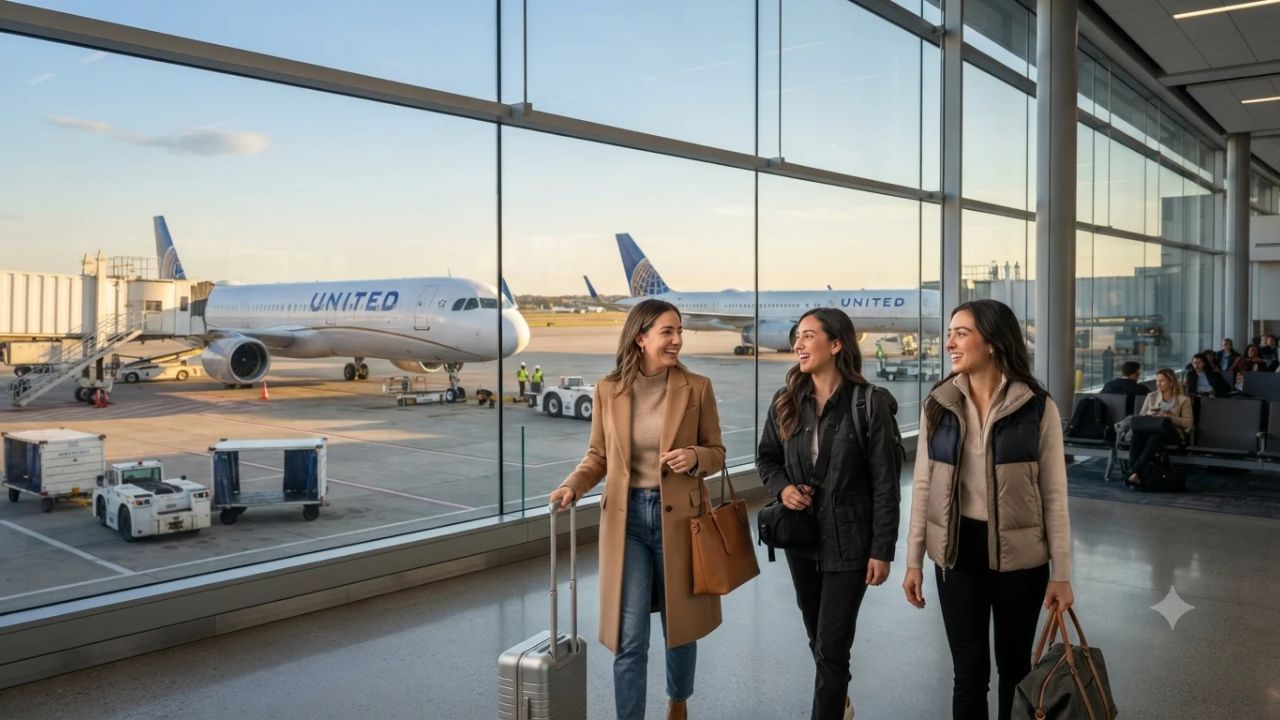
Image generated by AI
While widebody twin-aisle jets have traditionally defined luxury transatlantic flying, United Airlines is preparing to retire at least 80 legacy aircraft in 2027 as it pivots toward single-aisle Airbus A321XLR jets equipped with 32 private lie-flat Polaris Suites. Outlined during the carrier's second-quarter 2026 financial earnings briefing, this comprehensive fleet recalibration targets an average gauge of approximately 136 seats across the North American network. By pairing the strategic phase-out of aging narrowbodies with the arrival of high-efficiency single-aisle aircraft from Airbus and Boeing, the Chicago-based carrier is redesigning how passengers experience coast-to-coast transcontinental routes, transatlantic crossings, and secondary long-haul corridors into South America.
The 2027 Fleet Overhaul: Retiring 80 Aircraft to Up-Gauge North American Skies
The retirement of at least 80 airframes in 2027 marks one of the most substantial single-year fleet transitions in United’s modern operational history. While the airline has not published an exhaustive tail-number inventory for removal, long-term fleet rationalization models focus heavily on older airframes with elevated maintenance footprints. Key candidates slated for progressive replacement include selected Boeing 737-800s, Airbus A319s, Airbus A320s, and aging Boeing 757 variants, along with select older widebodies nearing heavy maintenance intervals.
For decades, the twin-engine Boeing 757 served as the indispensable workhorse of United’s medium-haul and transatlantic operations, offering high-altitude airfield performance and the range necessary to link East Coast hubs with secondary European cities. However, rising fuel burn, escalating structural inspection costs, and supply chain constraints for legacy spare parts make newer-generation airframes significantly more economical to deploy.
Rather than downsizing frequencies, United’s fleet strategy focuses on up-gauging—increasing the average capacity of individual domestic flights to roughly 136 seats. This allows the carrier to transport higher passenger volumes through slot-constrained hubs like Newark Liberty International Airport, San Francisco International Airport, and Los Angeles International Airport without adding untenable congestion to busy runways and airspace corridors overseen by the Federal Aviation Administration.
What Makes the A321neo and A321XLR Transition Different: Premium Cabins on Single-Aisle Routes
The core of United’s narrowbody renewal rests on an order book of approximately 100 Airbus A321neo-family aircraft, with projections indicating nearly 70 of these airframes will be integrated into revenue service by April 2028. What sets this deployment apart is the carrier's deliberate departure from dense, single-class configurations in favor of heavily customized premium layouts.
United’s standard configuration for incoming Airbus A321neo aircraft features:
- 20 Polaris Lie-Flat Seats: Providing premium business-class travelers with direct aisle comfort on high-demand premium transcontinental routes.
- 12 United Premium Plus Seats: Offering dedicated recliner comfort, expanded legroom, and elevated dining amenities in a separate intermediate cabin.
- 129 Economy Seats: Incorporating larger overhead storage bins, high-definition seatback entertainment displays, and fast Wi-Fi connectivity.
For extended-range operations, the Airbus A321XLR introduces an even more upscale footprint, boasting 32 private Polaris Suites alongside dedicated Premium Plus and economy sections. The extra fuel capacity and aerodynamic efficiency of the A321XLR enable non-stop service on thinner transatlantic city pairs (such as secondary UK or mainland European gateways) and non-stop links to northern South America that cannot reliably fill 250-seat widebody jets.
This single-aisle cabin evolution delivers high-end business class amenities traditionally reserved for widebody Boeing 777 or 787 Dreamliner flights, enabling corporate and leisure travelers to access lie-flat seating without flying through congested mega-hub connections.
Visitor Insider Tips for Booking United’s Evolving Cabin Classes
Travelers planning domestic transcontinental journeys or overseas departures through 2027 should use these practical strategies to maximize comfort:
- Check Aircraft Line-Ups on Transcontinental Routes: When booking premium cross-country routes between Newark (EWR), Los Angeles (LAX), and San Francisco (SFO), examine seat maps during booking. A321neo and A321XLR assignments offer private Polaris configurations, whereas older domestic narrowbodies provide standard domestic First Class recliners.
- Monitor Aircraft Changes Before Departure: Fleet retirement cycles and delivery schedules mean equipment substitutions occur frequently. Check your reservation 72 hours and 24 hours prior to departure to verify whether your seat assignment shifted due to an airframe swap.
- Capitalize on Non-Hub Transatlantic Corridors: As A321XLR aircraft enter transatlantic service, look for direct seasonal routes between regional US gateways and European destinations, eliminating the need to connect through crowded London Heathrow or Paris Charles de Gaulle terminals.
- Utilize Premium Plus as a Value Sweet Spot: The 12-seat Premium Plus cabin on A321neo aircraft provides wide recliner comfort and dedicated overhead bin space at a lower cash and mileage redemption rate than full Polaris business class.
Cultural, Economic, and Environmental Context of Modern Fleet Transitions
Fleet renewal carries direct economic and environmental ramifications that extend far beyond airline balance sheets. Commercial aviation is navigating strict global decarbonization goals, where reducing fuel burn per available seat mile is a critical metric for meeting sustainability pledges. The introduction of newer engines and advanced wing designs on A321neo and modern Boeing aircraft delivers double-digit reductions in fuel consumption and carbon emissions compared to the legacy Boeing 757s and Airbus A320s they replace.
Simultaneously, up-gauging flight capacity to an average of 136 seats per departure addresses physical airspace limitations. With major regional airports operating near capacity, airlines must transport more passengers per departure slot to support growing leisure tourism and corporate travel demand.
For destination economies in Europe, Central America, and South America, long-range narrowbodies unlock vital direct tourism links. Cities that previously lacked sufficient passenger traffic to sustain daily widebody flights can now welcome year-round or seasonal non-stop service. This decentralizes international travel, distributing tourism revenue to secondary cultural hubs while relieving pressure on primary capital cities.
FAQ: United Airlines Fleet Overhaul and 2027 Travel
How many aircraft will United Airlines retire in 2027?
United Airlines expects to retire at least 80 aircraft across its mainline and regional operations throughout 2027 as part of its ongoing fleet modernization strategy.
Which aircraft are replacing the retiring jets?
United is adding newer-generation Airbus A321neo and A321XLR single-aisle aircraft, alongside new Boeing aircraft deliveries, to replace older Boeing 737-800s, A319s, A320s, and 757s.
What is the seating layout on United’s new Airbus A321neo?
The planned A321neo configuration features 20 Polaris lie-flat seats, 12 Premium Plus recliners, and 129 economy seats, totaling 161 seats.
Which routes will see the new Airbus A321XLR?
The A321XLR will operate premium domestic transcontinental flights (like Newark to San Francisco/Los Angeles), thin transatlantic European routes, and selected long-haul services into South America.
Related Travel Guides
This article is for informational purposes. Flight routes, passenger regulations, visa rules, and transit advisories are subject to change by airlines and aviation authorities. Readers are advised to verify schedules and travel documentation with relevant carriers and border agencies before departure.
Related Stories
easyJet Launches Direct Liverpool to Reykjavik Flights: Inside the North West's New Winter Gateway to Iceland
British Airways Revives Long-Haul Meal Pre-Orders on Las Vegas Flights: Inside the World Traveller Plus Dining Trial