
United Flight UAL1149 Denver Colorado Diversion
United Airlines Flight UAL1149, a Boeing 757-224 flying from San Francisco to New York, diverted to Denver International Airport on July 18, 2026.

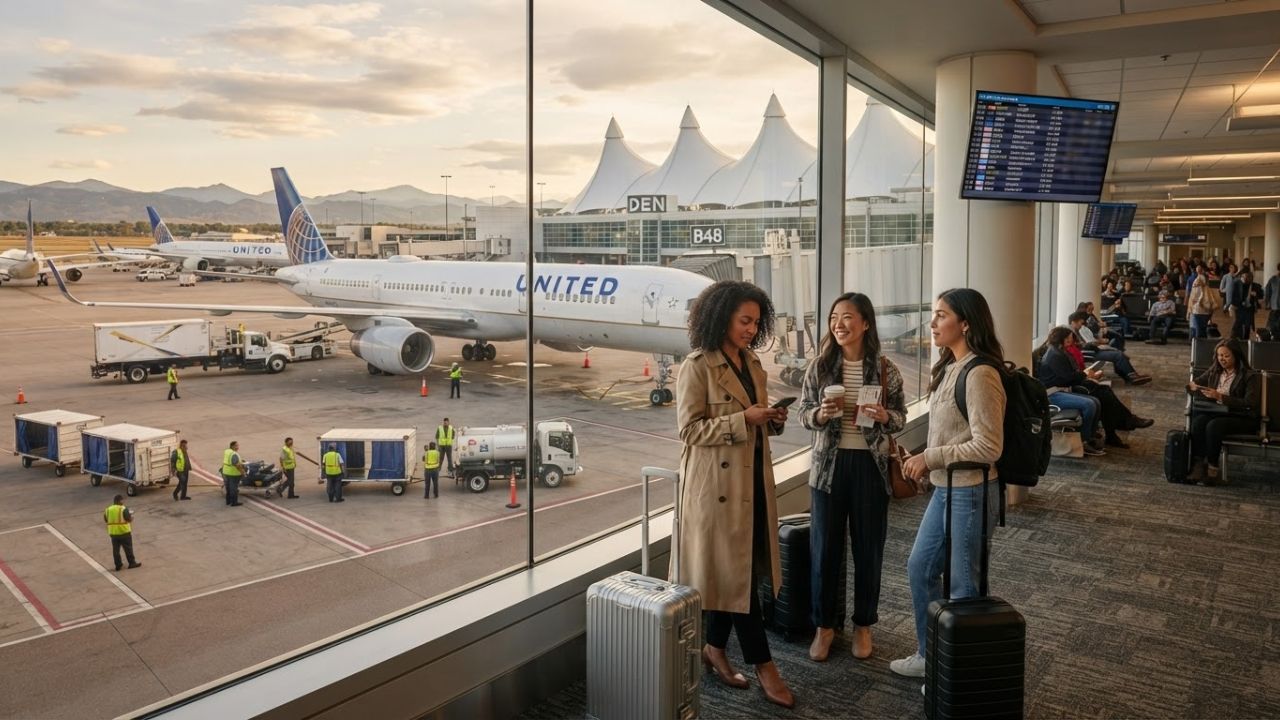
Image generated by AI
How Denver is Leveraging Airport Infrastructure and Sustainable Mountain Tourism to Support Transcontinental Flight Diversions in 2026
Denver International Airport continues to expand its capacity as a vital transit alternative, safely managing transcontinental passenger routing during unexpected diversions. This capacity demonstrates Colorado's operational readiness and commitment to providing sustainable travel logistics in the Rocky Mountain region.
The Local Trend Revealed
Commercial flight paths across North America rely heavily on mid-continent hubs to absorb traffic overflows and manage unexpected flight reroutings. On July 18, 2026, United Airlines Flight UAL1149, a scheduled domestic service between San Francisco International Airport (SFO) and New York's Newark Liberty International Airport (EWR), diverted from its planned transcontinental path. The Boeing 757-224 aircraft, registered as N12114, changed course and landed safely at Denver International Airport.
Upon landing, the aircraft was met by standard ground servicing teams to facilitate passenger deplaning and initial inspections. Neither United Airlines nor regional aviation officials have publicly confirmed the specific operational factor that prompted the flight crew to divert. Precautionary reroutings are regular features of modern airline schedules, initiated to address real-time variables such as local weather challenges, technical checklists, or passenger medical needs before safety margins are compromised.
Denver International Airport is well-suited to handle unexpected transcontinental arrivals due to its long runways, modern terminal gates, and extensive airline maintenance facilities. By integrating these unscheduled flights into its daily arrival queue, the airport minimizes scheduling disruptions across the broader domestic air network. This operational efficiency is critical for maintaining travel schedules and passenger comfort.
The key flight telemetry and operational statistics for the diverted flight are summarized in the table below:
| Flight Parameter | Operational Specification (UAL1149) |
|---|---|
| Carrier | United Airlines |
| Flight Number | UAL1149 |
| Aircraft Model | Boeing 757-224 |
| Aircraft Registration | N12114 |
| Departure Airport | San Francisco International Airport (SFO) |
| Planned Destination | Newark Liberty International Airport (EWR) |
| Actual Landing Airport | Denver International Airport (DEN) |
| Date of Operation | July 18, 2026 |
| Operational Status | Diverted (Precautionary rerouting) |
Cultural & Environmental Value (Information Gain)
Infrastructure developments at Denver International Airport are designed with a focus on environmental sustainability. The airport features extensive on-site solar panels, waste diversion programs, and energy-efficient building upgrades that reduce the overall carbon footprint of ground operations. These efforts align with sustainable tourism goals established by the Colorado Tourism Office and the Colorado Department of Natural Resources to protect the state's natural heritage.
Furthermore, flight disruptions that redirect passengers to Colorado generate economic support for local communities and regional businesses. The airport terminals house numerous dining spots and retail shops that feature Colorado-grown food products and artisan goods. This integration directs traveler spend toward local farmers and independent makers, supporting the regional economy during travel delays. By showcasing local culture, the airport transit economy helps preserve the cultural heritage of the Rocky Mountain region.
Visitor Insider Tips
Experiencing Denver and the surrounding Front Range region during an unexpected flight delay or diversion offers a chance to explore local culinary trends and outdoor parks.
- Opt for Shoulder-Season Travel: To experience Colorado's outdoor trails under mild weather conditions, plan trips during the spring or autumn months. These periods avoid the summer crowds and winter snowstorms that can impact airport operations.
- Explore the Rocky Mountain Arsenal: If you face a long delay at the airport, consider taking a short trip to the Rocky Mountain Arsenal National Wildlife Refuge. Located just a short drive from the terminal, this refuge offers hiking trails and auto-tours where visitors can see free-roaming bison, deer, and bald eagles.
- Sample Local Green Chile Specialties: During a layover, visit airport dining establishments that serve local Colorado specialties. Try dishes featuring regional green chiles or sample craft beers from local breweries that support independent regional suppliers.
- Observe Outdoor Etiquette: Coloradans place a high value on environmental preservation. When visiting local parks or trails during a travel delay, practice Leave No Trace principles by pack-out all trash and respecting local wildlife.
- Utilize the A Line Train: Denver International Airport is connected directly to the city center via the A Line commuter rail. This electric train link offers a cheap, clean, and sustainable transit option to explore downtown Denver during extended delays.
Tourism Outlook
The long-term outlook for Denver as a central transit hub remains strong, supported by ongoing runway expansions and gate upgrades. The airport's development plans focus on increasing operational capacity while maintaining strict environmental standards. By combining transit efficiency with eco-friendly infrastructure, Denver continues to attract leisure and business travelers heading to the Rocky Mountain region. This structural resilience ensures that the local tourism economy can adapt to changing travel demands for years to come.
FAQ: United Flight UAL1149 and Denver Travel 2026
Why did United Flight UAL1149 divert to Denver?
The specific operational reason for the diversion of Flight UAL1149 from San Francisco to Newark has not been publicly confirmed by United Airlines or airport officials.
What type of aircraft was operating Flight UAL1149?
The flight was operated by a Boeing 757-224 narrow-body commercial passenger jet, registered under tail number N12114.
How can travelers reach downtown Denver from the airport?
Travelers can use the A Line commuter train, which departs directly from the airport terminal and connects to Denver Union Station.
Related Travel Guides
Taiwan Regional Tourism LCC Fleet Modernization
Airbus Planes Reveals 42,000 New Aircraft Demand Through 2045
Disclaimer
This article is for informational and educational purposes only. It does not constitute legal, financial, or professional advice. While we strive to provide accurate and up-to-date information, travel policies, regulations, and conditions change rapidly. Always verify information with official sources before making travel decisions. Nomad Lawyer makes no representations about the accuracy, reliability, completeness, or suitability of the information provided. Readers should consult qualified professionals for advice specific to their circumstances. The views expressed in this article are those of the author and do not necessarily reflect the views of Nomad Lawyer.
Kunal K Choudhary
Co-Founder & Contributor
A passionate traveller and tech enthusiast. Kunal contributes to the vision and growth of Nomad Lawyer, bringing fresh perspectives and driving the community forward.
Learn more about our team →