
Taiwan Regional Tourism LCC Fleet Modernization
Tigerair Taiwan expands its fleet with a new Airbus A320neo, enhancing regional connectivity, fuel efficiency, and passenger travel experiences across Asia.

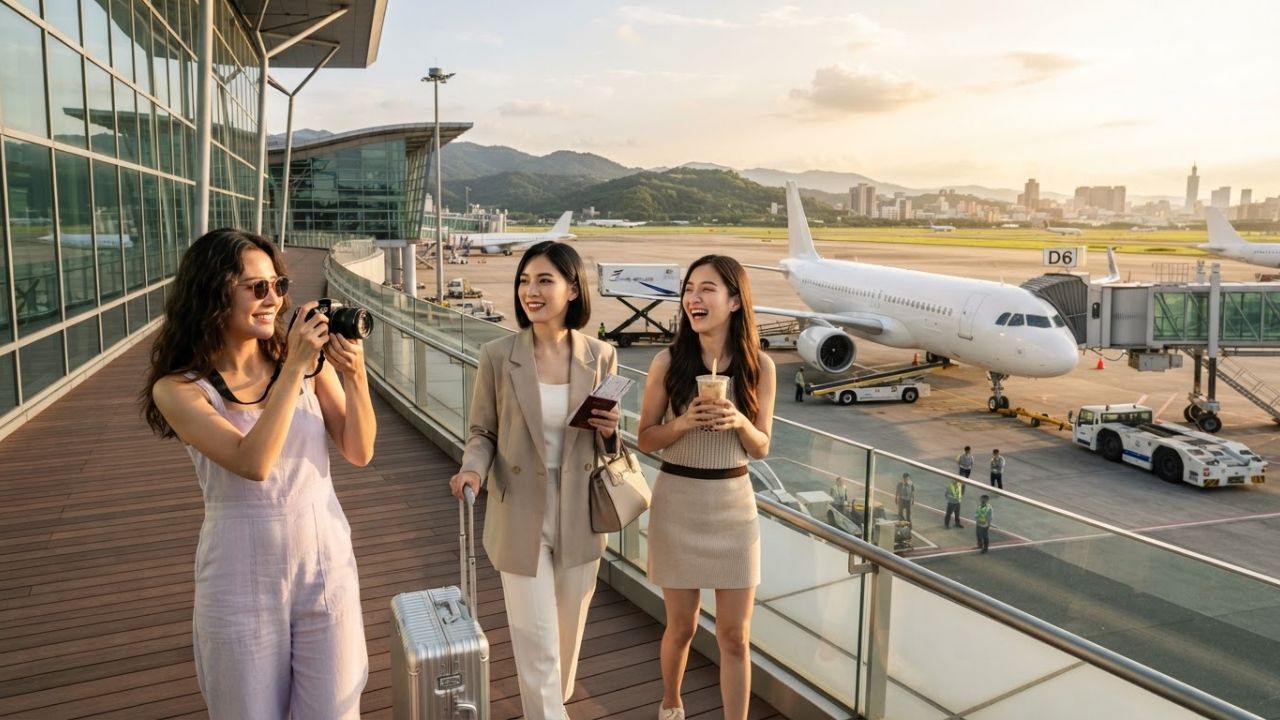
How Taiwan is Accelerating Regional Tourism Growth Through Low-Cost Carrier Fleet Modernization and Sustainable Aircraft Integration in 2026
The expansion of low-cost carriers like Tigerair Taiwan is driving a major regional travel boom, connecting Taiwan to popular destinations across East Asia. This growth highlights the island's rising appeal as a cultural tourism hub and its commitment to modern, eco-friendly aviation infrastructure.
The Local Trend Revealed
Taiwan's regional travel sector is undergoing a significant transformation, driven by the expansion of low-cost carriers (LCCs) that offer affordable, direct routes to key Asian markets. This growth is supported by strategic investments in fleet modernization, allowing carriers to operate more frequent and cost-effective services. As international visitor numbers continue to rise, these fleet upgrades are playing a key role in making Taiwan more accessible to travelers from neighboring countries.
A key milestone in this expansion occurred on July 12, 2026, when Tigerair Taiwan welcomed its latest Airbus A320neo aircraft. The brand-new passenger jet arrived in Taiwan after completing a multi-leg delivery flight from the manufacturing facility in Toulouse, France. The aircraft traveled via Riyadh, Saudi Arabia, and Bangkok, Thailand, before reaching its permanent base in Taiwan.
This arrival brings Tigerair Taiwan’s Airbus-focused fleet to a total of 17 aircraft, comprising a mix of standard A320 and advanced A320neo models. Operating a single-family aircraft fleet allows the carrier to streamline maintenance schedules, simplify crew training programs, and optimize spare parts management, all of which help lower operating expenses. For travelers, this means a more reliable schedule and access to a wider selection of regional routes.
The fleet details and delivery route parameters are summarized in the table below:
| Fleet Parameter | Operational Specification | Details |
|---|---|---|
| Airline Carrier | Tigerair Taiwan | Taiwanese low-cost passenger carrier |
| Aircraft Manufacturer | Airbus | European aerospace company |
| Aircraft Model | Airbus A320neo | Fuel-efficient narrow-body jet |
| Manufacturing Origin | Toulouse, France | Production facility |
| Delivery Route Stops | Riyadh (Saudi Arabia) & Bangkok (Thailand) | Refueling and transit legs |
| Arrival Date in Taiwan | July 12, 2026 | Official fleet integration |
| Total Active Fleet Count | 17 Aircraft | Consolidated Airbus A320 and A320neo fleet |
| Primary Route Focus | Short & Medium-Haul | Connections across East and Southeast Asia |
Cultural & Environmental Value (Information Gain)
The introduction of the Airbus A320neo supports Taiwan's transition to more sustainable travel practices. The aircraft features advanced engines and aerodynamic improvements, including wingtip "Sharklets," which reduce fuel consumption and carbon emissions compared to older-generation narrow-body jets. Additionally, the A320neo produces significantly lower noise levels, minimizing the environmental impact on communities situated near major airports.
This focus on green aviation aligns with national conservation and tourism initiatives. The Taiwan Tourism Administration is currently implementing its "Sustainable Tourism Destination Highlights Flagship Program," which promotes responsible tourism products, indigenous cultural tours, and eco-recreation. By utilizing more efficient aircraft, airlines can support regional travel without compromising environmental standards.
The growth of low-cost air links also directly benefits local economies and rural communities. More accessible flights encourage travelers to explore areas beyond the main urban centers, supporting local homestays, traditional craft workshops, and community-based ecotourism projects. The Forestry and Nature Conservation Agency works to develop and maintain sustainable forest trails, such as those in the Alishan and Taipingshan regions, ensuring that natural heritage areas are preserved while remaining accessible to visitors.
Visitor Insider Tips
For travelers planning a trip to Taiwan, the island offers a rich combination of traditional culture, outdoor recreation, and famous night markets.
- Best Travel Windows: The most pleasant times to visit Taiwan are during the Autumn (October to December) and Spring (March to May) seasons. During these months, the weather is cooler and more comfortable for hiking forest trails and exploring outdoor attractions, avoiding the heavy rains of the summer typhoon season.
- Night Market Etiquette: Taiwan's night markets are central to the local food culture. When visiting popular markets like Shilin or Raohe in Taipei, or Liuhe in Kaohsiung, remember to carry cash, as many small food stalls do not accept credit cards or digital payments. Follow the local queues, dispose of food waste in designated trash bins, and sample local specialties such as beef noodle soup, stinky tofu, and traditional brown sugar bubble tea.
- Exploring Forest Trails: For outdoor enthusiasts, the Alishan Forest Railway offers a historic ride through scenic mountain forests. Hikers should explore the trails managed by the Forestry and Nature Conservation Agency, which are designed to support eco-tourism. Always check local trail conditions before departing, stay on marked paths, and carry reusable water bottles to avoid plastic waste.
- Cultural Tea Houses: Visit the historic mountain town of Jiufen, located near Taipei, to experience traditional tea culture. Sit in a historic tea house overlooking the Pacific Ocean and enjoy locally grown Oolong tea. It is customary to show respect for local tea preparation traditions, and staff are usually happy to demonstrate the correct brewing methods.
- Transportation Tips: Purchase an EasyCard at any convenience store or metro station. This tap-to-pay card can be used for public transit, including the clean and efficient Taipei Metro (MRT), local buses, and even public bicycle rentals, making it easy to travel around the island sustainably.
Tourism Outlook
The modernization of Tigerair Taiwan’s fleet reflects a promising future for regional travel in Asia. By incorporating fuel-efficient Airbus A320neo aircraft, the carrier is well-positioned to meet rising travel demand while keeping ticket prices competitive and reducing emissions. As Taiwan continues to develop its sustainable tourism infrastructure, the combination of accessible air travel and responsible local practices will help establish the island as a leading destination for eco-conscious travelers.
FAQ: Taiwan Regional Travel and Aviation Expansion 2026
Why is regional travel to Taiwan expanding?
The expansion is driven by low-cost carriers like Tigerair Taiwan modernizing their fleets with efficient aircraft like the Airbus A320neo, which lowers operating costs and increases flight options across Asia.
What route did the new Airbus A320neo take to arrive in Taiwan?
The aircraft completed a multi-leg delivery journey starting from Toulouse, France, with scheduled refueling stops in Riyadh, Saudi Arabia, and Bangkok, Thailand, before arriving in Taiwan on July 12, 2026.
How does the new fleet support environmental sustainability?
The Airbus A320neo features advanced fuel-efficient engines and aerodynamic design enhancements, resulting in lower carbon emissions and reduced operational noise levels around airport communities.
Related Travel Guides
- Avianca Ignites Caribbean Tourism Surge with New Daily Miami to Barranquilla Service Starting June 1: US Travelers Set to Flock to Colombia’s Coast as Aviation Updates Confirm Massive Connectivity Boost for 2026
- Breaking Airline News: Breeze Airways Deploys Massive San Antonio Expansion, Rescuing Travelers from Terrifying Hub Transit Chaos
- Virgin Australia Expands Pet-Friendly In-Cabin Program to Adelaide and Launceston in 2026
Disclaimer
This article is for informational and educational purposes only. It does not constitute legal, financial, or professional advice. While we strive to provide accurate and up-to-date information, travel policies, regulations, and conditions change rapidly. Always verify information with official sources before making travel decisions. Nomad Lawyer makes no representations about the accuracy, reliability, completeness, or suitability of the information provided. Readers should consult qualified professionals for advice specific to their circumstances. The views expressed in this article are those of the author and do not necessarily reflect the views of Nomad Lawyer.
Kunal K Choudhary
Co-Founder & Contributor
A passionate traveller and tech enthusiast. Kunal contributes to the vision and growth of Nomad Lawyer, bringing fresh perspectives and driving the community forward.
Learn more about our team →