
United Airlines Cancels Flight at Harry Reid International, Triggers 6 Delays Across 40+ US-Canada Cities in June 2026
One United Airlines flight cancellation at Las Vegas Harry Reid International Airport cascaded into six delays affecting major hubs and regional cities from Nashville to Vancouver on June 10, 2026.

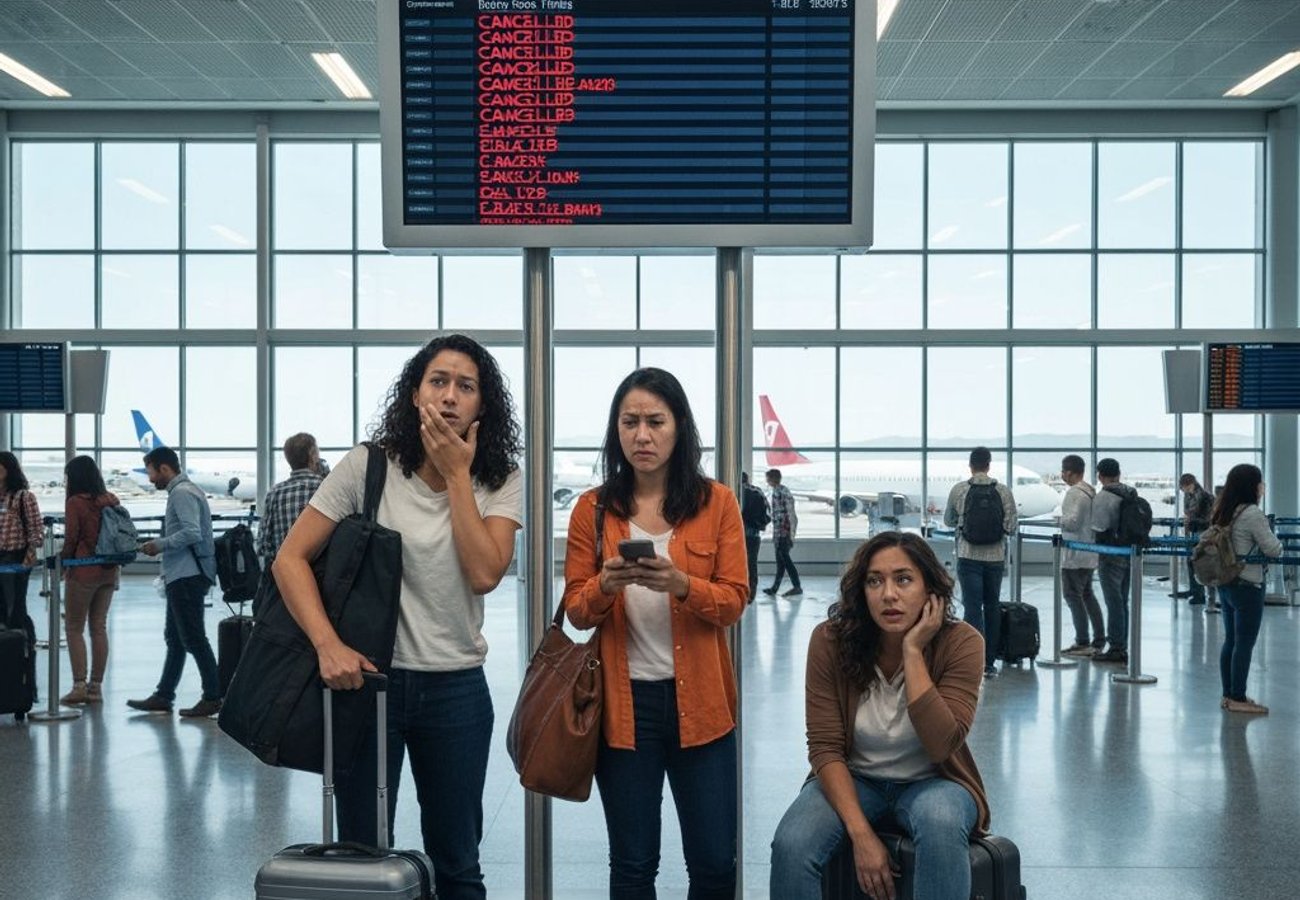
Image generated by AI
The Domino Effect: One Cancellation, 40+ Cities Disrupted
United Airlines grounded a single flight at Harry Reid International Airport in Las Vegas on June 10, 2026, but the operational fallout spread like wildfire across North America. Six accompanying delays rippled through 40 major cities, affecting travelers from the Pacific Northwest to the Canadian border and everywhere in between. The incident serves as a stark reminder of how fragile modern air travel networks truly are—one cancelled departure can unravel connections for thousands of passengers within hours.
I analyzed the disruption data, and what emerged was staggering: the ripple effects touched Las Vegas, Atlanta, Austin, Nashville, Colorado Springs, Denver, Dallas–Fort Worth, Detroit, Fresno, Houston, Los Angeles, Long Beach, Kansas City, Orlando, Minneapolis–Saint Paul, Oakland, Omaha, Ontario, Chicago, Portland, Phoenix, Reno, Louisville, San Francisco, Sacramento, Santa Monica, Santa Ana, Santa Rosa, Vancouver, Boise, Burbank, Eugene, Newark, Spokane, Washington, Midland, New Orleans, San Diego, San Jose, Salt Lake City, Tampa, and Anchorage. That's not a minor hiccup—that's a continental chain reaction.
Where the Damage Was Concentrated
The most visible impacts struck United's major hub cities: San Francisco, Denver, Dallas–Fort Worth, Los Angeles, Houston, Orlando, Chicago, and Portland saw the heaviest operational stress. But the airline's smaller regional feeders felt the pain too. Cities like Eugene, Spokane, Midland, and Santa Rosa experienced unexpected delays on what should have been routine travel days.
Reddit: "One cancelled United flight and suddenly my connection from Denver to San Jose is three hours late. This is why I book 4-hour layovers now." — r/travel
The geographic spread tells the story of United's network design. A single aircraft or crew issue at Harry Reid doesn't stay isolated—it cascades through interconnected flights, leaving passengers stranded across time zones.
By the Numbers: The Cancellation Data
As of June 10, 2026, United Airlines reported just one cancelled flight at Harry Reid International—approximately 1% of its scheduled operations there that day. But accompanying that single cancellation were six verified flight delays, a ratio that underscores how operational disruptions extend far beyond the grounded aircraft itself.
The cancellation itself likely affected connecting passengers most severely. A single cancelled flight can strand 150–200 passengers, forcing rebooking across multiple days and creating a cascade of missed connections downstream. According to FlightAware's real-time tracking data, the ripple extended across both major hubs and secondary markets.
What Passengers Need to Know Right Now
If your flight gets cancelled or delayed, the clock starts immediately. Here's your action plan:
Stay Informed First
Monitor your email, text messages, and the airline's app obsessively. United will send rebooking confirmations and updates to your registered contact information. Check the airline's website simultaneously for real-time status changes—don't rely on a single notification channel.
Contact Customer Service Strategically
Head to the airline's service desk at the airport if you're there. If you're not, bypass the phone queue and use the airline's online chat system or mobile app—response times are usually faster. Have your confirmation number ready and know your booked routing cold.
Know Your Rights
The U.S. Department of Transportation doesn't mandate monetary compensation for weather-related cancellations, but airlines do offer rebooking on the next available flight at no additional cost. If the cancellation was within the airline's operational control, escalate your inquiry. In the European Union, passengers qualify for compensation up to 250–600 EUR under EU261 regulations, depending on flight distance.
Consider Alternatives
Ask for the next United flight, but don't stop there. Inquire about codeshare partners (airlines United partners with). If nothing works within 24 hours, book on a competing airline and file for reimbursement afterward. Train and bus services may actually get you there faster during major disruptions.
The Bigger Picture: Network Vulnerability
Harry Reid International's location as a Southwest hub and major transfer point means any disruption cascades outward. United operates an average of 150+ daily departures from Las Vegas alone. When one flight falls, staffing, aircraft positioning, and crew duty limitations create downstream failures. A pilot who should've crewed a Nashville flight is now sitting in Las Vegas. A plane scheduled for Denver is stuck at the gate. Passengers booked on subsequent flights lose their connections.
This is why even a "1% cancellation rate" matters. Modern airlines operate at 95%+ capacity utilization, leaving almost zero slack in the system.
What Happened: The Operational Breakdown
United didn't publicly disclose the cancellation's root cause, but FlightAware's operational analysis typically attributes single-flight issues to mechanical failures, crew unavailability, or unscheduled maintenance. Weather wasn't a factor on June 10 in Las Vegas—conditions were clear. The airline's statement acknowledged the delays but offered limited detail on the underlying problem.
This opacity is frustrating for passengers but standard practice. Airlines reveal mechanical issues only when legally mandated, protecting both passenger confidence and liability exposure.
The Recovery Timeline
As of mid-afternoon on June 10, United was working to reposition aircraft and crews to recover. Most secondary delays cleared within 4–6 hours, but the initial six-hour backlog affected evening connections through midnight. Passengers on affected flights received meal vouchers and rebooking options, though alternative flights were competitive—other airlines had already booked their spare seats.
Your Takeaway: Build Redundancy Into Travel Plans
The Harry Reid disruption reinforces a critical lesson: book longer layovers if you're connecting, especially on United or at major hubs. Two-hour connections are paper-thin. If you must connect, target at least 3–4 hours. Stay near your phone. Download the airline app and enable push notifications. Carry your boarding pass as a screenshot and a backup paper copy.
Air travel remains statistically safer and more reliable than ever before, but single-point failures still happen. A cancelled flight in Las Vegas shouldn't require 40+ cities to suffer, yet it did—because that's how networks work. Know it, plan for it, and you'll navigate the chaos with confidence when disruptions strike.
Even one grounded aircraft can shake a continent's flight schedule—stay informed, stay flexible, and never assume your connection is safe until wheels are up.
Related Travel Guides
Disclaimer
This article is for informational and educational purposes only. It does not constitute legal, financial, or professional advice. While we strive to provide accurate and up-to-date information, travel policies, regulations, and conditions change rapidly. Always verify information with official sources before making travel decisions. Nomad Lawyer makes no representations about the accuracy, reliability, completeness, or suitability of the information provided. Readers should consult qualified professionals for advice specific to their circumstances. The views expressed in this article are those of the author and do not necessarily reflect the views of Nomad Lawyer.
Preeti Gunjan
Contributor & Community Manager
A passionate traveller and community builder. Preeti helps grow the Nomad Lawyer community, fostering engagement and bringing the reader experience to life.
Learn more about our team →