
UK Joins Brazil and More as Overseas Travellers Turn to Solo Holidays Across America in Growing Numbers
UK Joins Brazil and More as Overseas Travellers Turn to Solo Holidays Across America in Growing Numbers

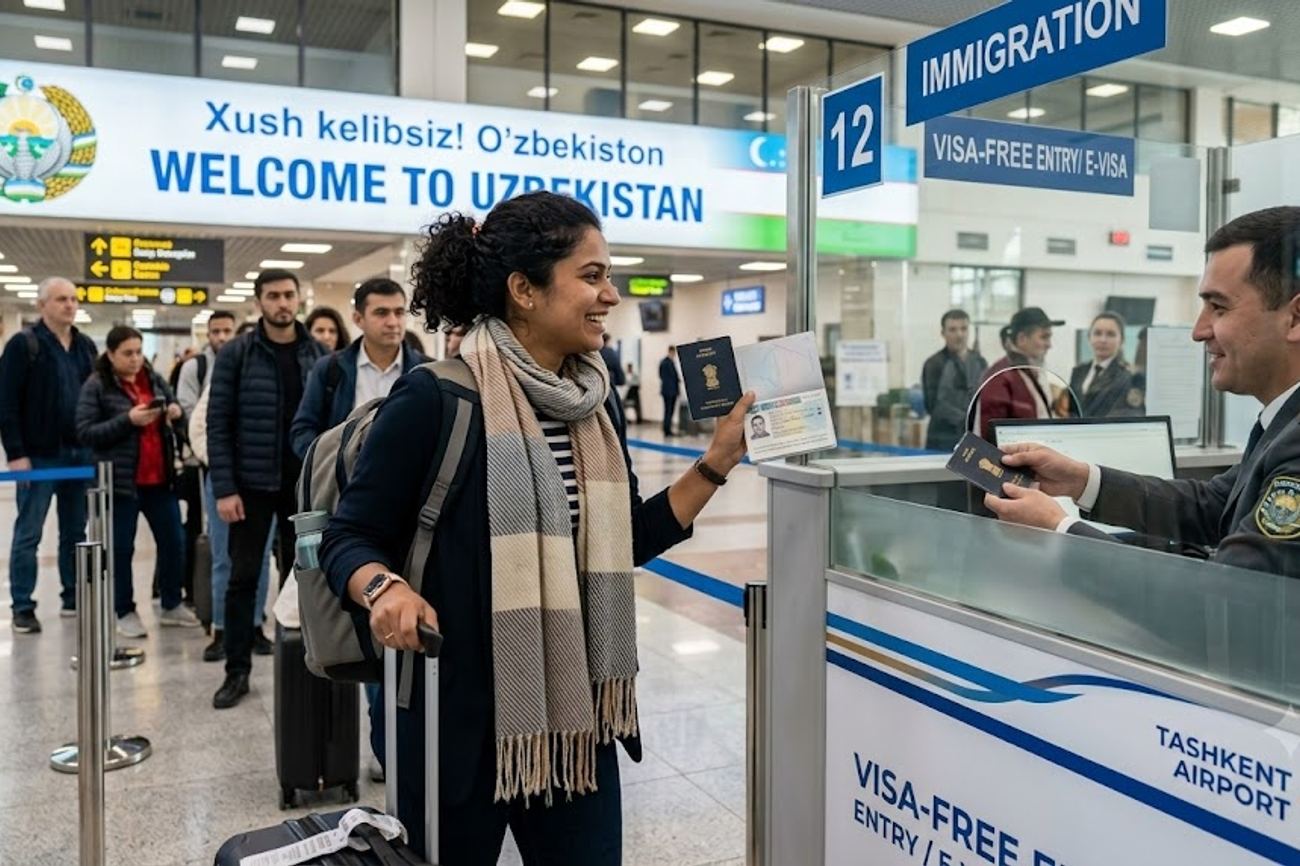
Image generated by AI
58.6% of overseas visitors to the United States now travel alone, signaling a fundamental shift in the composition of international tourism. This data, sourced from the National Travel and Tourism Office (NTTO), indicates that solo travelers have officially surpassed couples and families to become the dominant travel-party demographic. While the total volume of inbound air travelers reached 46.4 million in 2025, the specific subset of overseas arrivals—totaling 34.3 million—reveals a traveler who is increasingly independent, highly planned, and geographically concentrated.
The Rise of the Independent Internationalist
The transition toward solo travel is not merely a trend but a structural change in how global citizens consume the American experience. When breaking down travel party shares, those traveling alone (58.6%) now dwarf those traveling with a spouse or partner (21.4%) and those traveling with family or relatives (18.3%). This shift suggests a decoupling of long-haul travel from traditional social or familial units, pointing toward a rise in "experience-seeking" individuals who prioritize personal autonomy over shared itineraries.
This independence is mirrored in the source market data. The United Kingdom continues to lead as the primary origin of overseas visitors with 4.1 million arrivals. However, the most significant geopolitical shift is the ascent of Asian markets. India has secured the second-place position with 2.1 million arrivals, narrowly edging out Japan, which recorded 2.0 million. Brazil follows closely with 1.9 million visitors, while Germany rounds out the top five with 1.8 million. The prominence of India and Japan underscores a pivot in the U.S. Department of Commerce tourism interests toward the Indo-Pacific region.
Geographic Concentration and Economic Impact
Despite the perceived vastness of the United States, international visitors are not engaging in the classic "cross-country road trip" in the numbers one might expect. There is a stark contrast between the duration of stay and the geographic breadth of the journey.
| Metric | 2025 Official Data |
|---|---|
| Average Length of Stay | 16.9 Nights |
| Average Spend per Visitor | $1,829 |
| Average Annual Household Income | $90,880 |
| Visitors Staying in One State | 75.4% |
| Visitors Visiting Two States | 14.9% |
| Visitors Visiting Three+ States | 9.7% |
The data reveals a high level of regional loyalty or limitation. While the average visitor stays nearly 17 nights, 75.4% of these travelers remain within a single state. This creates immense economic pressure and opportunity for the top-tier destinations. Florida has emerged as the most visited state with 9.3 million overseas visits, narrowly beating New York's 9.1 million. California remains a powerhouse with 6.6 million visits, followed by Nevada (2.3 million) and Texas (1.9 million).
The financial profile of these visitors is substantial. With an average household income of $90,880 and a per-trip spend of $1,829, these travelers represent a high-value segment. Interestingly, their activity preferences lean heavily toward commerce over culture. Shopping is the most popular leisure activity at 82.9%, surpassing sightseeing (77.8%), national parks and monuments (33.9%), and art galleries or museums (28.3%).
Expert Analysis: The Solo-Silo Effect
For travelers and industry stakeholders, the most critical insight is the "Solo-Silo Effect"—the combination of solo travel and single-state concentration. When 58.6% of visitors travel alone and 75.4% stay in one state, the logistical needs of the traveler change entirely.
First, the pricing pressure on "single supplements" in the hospitality sector is likely to face scrutiny. With hotels and motels remaining the primary accommodation choice for 71.4% of visitors, the industry must pivot away from double-occupancy pricing models to capture the solo market. For the solo traveler, the direct consequence is a higher relative cost per night unless hotels introduce more single-occupancy inventory.
Second, the planning cycle reveals a lack of spontaneity. The average visitor decides to visit the U.S. 104 days before departure and secures flights 79 days prior. This 25-day gap between the decision and the booking suggests a period of intense research and itinerary building. Because these travelers are staying longer (16.9 nights) but visiting fewer states (average of 1.4), they are moving from "tourists" to "temporary residents." They are not skimming the surface of the country; they are deeply embedding themselves in a specific locale, such as Florida or New York.
Finally, the discrepancy in satisfaction levels is telling. While 97.2% of visitors felt their trip met or exceeded expectations and 96% intend to return, only 73.7% rated the U.S. entry experience as good or excellent. This suggests that while the International Air Transport Association (IATA) and airlines are delivering the passengers, the bureaucratic "first touch" at the border remains a friction point that lags behind the actual vacation experience.
Key Takeaways
- Solo travelers are now the primary demographic for U.S. inbound tourism, representing 58.6% of all overseas visitors.
- Geographic concentration is extreme; over 75% of international visitors spend their entire trip within a single state, despite staying an average of 16.9 nights.
- The U.K. remains the top source market (4.1 million), but India has surged to second place (2.1 million), signaling a shift toward Asian markets.
- Retail is the primary driver of activity, with shopping (82.9%) outperforming traditional sightseeing (77.8%).
- There is a significant gap between trip satisfaction (97.2%) and the perceived quality of the U.S. entry/border process (73.7%).
FAQ: US Solo Travel 2025
Is it common to travel to the US alone? Yes. According to 2025 NTTO data, 58.6% of overseas visitors travel alone, making it the most common travel-party configuration, surpassing both couples and families.
Which US states are most popular for international visitors? Florida is the top destination with 9.3 million visits, followed closely by New York (9.1 million) and California (6.6 million).
How far in advance should I book a trip to the US? The average overseas visitor makes the decision to visit 104 days before departure and books their airline tickets 79 days before flying.
Do international tourists typically visit multiple states? Generally, no. While the average stay is nearly 17 nights, 75.4% of international visitors stay within only one state during their trip.
The American tourism engine is no longer driven by the family road trip, but by the independent, high-spending solo explorer.
Tags: NTTO 2025, Solo Travel USA, Florida Tourism, India-US Travel, Inbound Tourism Statistics, US Border Experience
Related Travel Guides
- Uruguay Speeds Up the Transition to Digital Tourism as Montevideo and Other Cities Increase Cashless Payments for International Travelers
- Asia Travel Disrupted As Bangkok, Beijing, And 19 Major Airports Face 223 Cancellations And 2,161 Delays
- Brazil Leads Chile and More as Montevideo Expands International Air Links and Uruguay Tourism Gains Momentum: All You Need to Know
Disclaimer
This article is for informational and educational purposes only. It does not constitute legal, financial, or professional advice. While we strive to provide accurate and up-to-date information, travel policies, regulations, and conditions change rapidly. Always verify information with official sources before making travel decisions. Nomad Lawyer makes no representations about the accuracy, reliability, completeness, or suitability of the information provided. Readers should consult qualified professionals for advice specific to their circumstances. The views expressed in this article are those of the author and do not necessarily reflect the views of Nomad Lawyer.
Kunal K Choudhary
Co-Founder & Contributor
A passionate traveller and tech enthusiast. Kunal contributes to the vision and growth of Nomad Lawyer, bringing fresh perspectives and driving the community forward.
Learn more about our team →