
How UK and European Travel Surges are Driving Ireland Tourism Growth Through Cultural and Nature Demand in 2026
Ireland is seeing a powerful tourism revival in 2026, with a significant 18% increase in overseas visitors driven by the UK and Continental European markets seeking authentic heritage experiences.

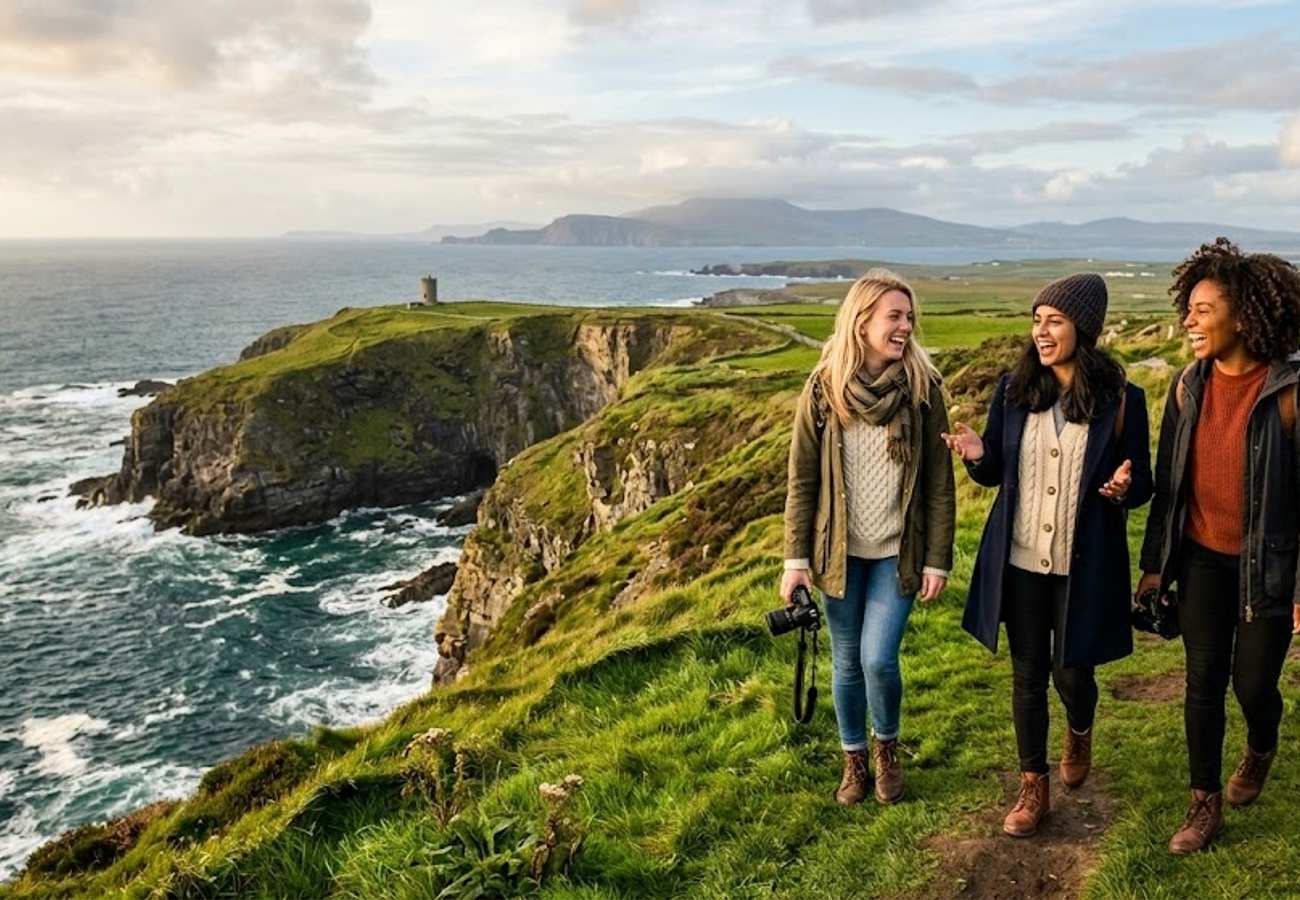
Image generated by AI
Ireland is witnessing a robust international tourism revival in 2026, as travelers from the UK and Continental Europe pivot toward nature-based holidays and deep cultural immersion.
The Emerald Isle is currently experiencing a significant expansion in its visitor economy. This growth is not merely a return to previous levels but a strategic shift in how international guests interact with the region. Driven by enhanced air connectivity and a craving for "slow travel," visitors from the UK, Germany, France, Spain, and Italy are moving beyond the urban center of Dublin to explore the rugged fringes of the island.
The Local Trend Revealed: Beyond the City Limits
The current surge is characterized by a move toward regional dispersion. Travelers are increasingly bypassing the traditional "city-hop" in favor of the Wild Atlantic Way and the hidden valleys of the interior. This shift is evidenced by a demand for longer stays and a preference for experience-based itineraries over checklist sightseeing.
Data from the Central Statistics Office (CSO) Ireland – Inbound Tourism Statistics underscores this momentum. In May 2026, Ireland welcomed 661,500 overseas visitors, marking an 18% increase compared to May 2025.
The UK remains the primary engine of this growth. In April 2026, visitors from Great Britain accounted for approximately 39% of all international arrivals. This dominance is fueled by the seamless connectivity of ferry and aviation links from hubs like London, Manchester, Birmingham, and Glasgow.
However, the "Continental Shift" is equally impactful. Germany has emerged as a high-value market, with visitors prioritizing sustainable tourism and outdoor activities in counties like Kerry, Clare, Galway, and Donegal. Similarly, France and Italy are driving a surge in "heritage travel," where the focus is on literary history, ancient castles, and traditional storytelling.
Cultural & Environmental Value
This evolution in travel patterns is providing a direct economic injection into rural communities that were previously overlooked. By encouraging visitors to extend their stays in smaller towns and coastal villages, the tourism model is shifting toward a more sustainable, community-led economy.
The OECD Tourism Trends and Policies 2026 – Ireland Profile highlights that the current strategy emphasizes "meaningful experiences." This approach reduces the pressure on over-visited urban sites and spreads the environmental footprint across a wider geographic area. The focus on nature-based holidays—such as walking routes and coastal exploration—aligns with regional conservation efforts to protect Ireland's unique biodiversity while still allowing for economic viability through eco-tourism.
Visitor Insider Tips
For those planning a trip to Ireland in 2026, moving off the beaten path requires a bit of local knowledge:
- The "Shoulder Season" Secret: To avoid the peak summer crowds and experience the authentic atmosphere of the West Coast, visit in late September or early October. The autumn colors in the highlands are spectacular, and local pubs are less crowded.
- Dining Local: Skip the tourist menus in Temple Bar. Instead, seek out "Farm-to-Fork" gastropubs in County Clare or Galway, where seafood is sourced directly from the Atlantic that morning.
- Cultural Etiquette: When visiting rural homestays or small village B&Bs, a bit of conversation about local history goes a long way. Irish hospitality is rooted in storytelling; engaging with locals about their lineage or village lore often opens doors to "secret" spots not found on Google Maps.
- Transport Tip: While flights are convenient, renting an electric vehicle (EV) for the Wild Atlantic Way is the best way to support the country's green transition and navigate the narrow, scenic roads at your own pace.
Tourism Outlook
The long-term trajectory for Ireland Tourism is one of diversification. By reducing reliance on a single source market and focusing on high-value, low-impact visitors, Ireland is insulating its economy against travel volatility. The continued expansion of air links from Spain and Italy suggests that the Mediterranean market will become a cornerstone of the visitor economy by 2027. As the focus remains on authentic, sustainable, and regional growth, the Emerald Isle is successfully transitioning from a bucket-list destination to a sanctuary for conscious travel.
The shift toward regional exploration ensures that the heart of Ireland—its people and landscapes—remains the star of the journey.
Related Travel Guides
Disclaimer
This article is for informational and educational purposes only. It does not constitute legal, financial, or professional advice. While we strive to provide accurate and up-to-date information, travel policies, regulations, and conditions change rapidly. Always verify information with official sources before making travel decisions. Nomad Lawyer makes no representations about the accuracy, reliability, completeness, or suitability of the information provided. Readers should consult qualified professionals for advice specific to their circumstances. The views expressed in this article are those of the author and do not necessarily reflect the views of Nomad Lawyer.
Raushan Kumar
Founder & Lead Developer
Full-stack developer with 11+ years of experience and a passionate traveller. Raushan built Nomad Lawyer from the ground up with a vision to create the best travel and law experience on the web.
Learn more about our team →