
UK Canada and Germany Issue Urgent Travel Advisories for France and Spain Amid 2026 Wildfire Crisis
The UK, Canada, and Germany have updated travel warnings for France and Spain as extreme wildfires trigger mass evacuations and disrupt peak summer tourism in 2026.

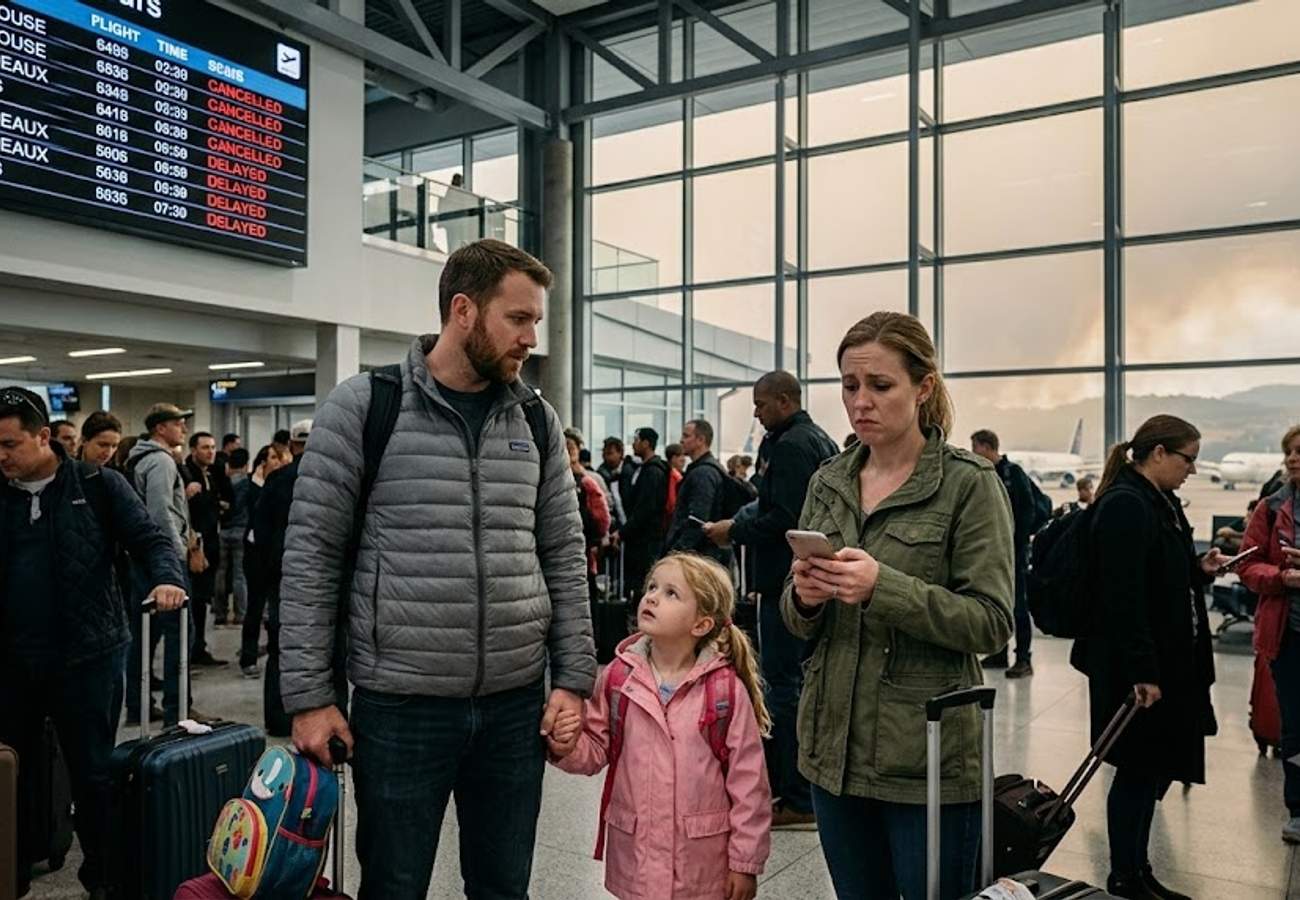
Image generated by AI
International governments are upgrading safety warnings for France and Spain as extreme summer wildfires trigger mass evacuations and paralyze key tourist corridors.
The convergence of intense heat and arid landscapes has created a systemic travel crisis across Europe's most visited destinations. National authorities in the United Kingdom, Canada, and Germany have coordinated updates to their travel advisories, warning millions of vacationers about rapidly shifting conditions, sudden road closures, and the high risk of smoke inhalation.
The crisis is currently concentrated in south-west France—specifically the Gironde, Landes, and Cap Ferret regions—and in Spain, where the Madrid and Ávila provinces are battling catastrophic blazes.
UK Foreign Office Escalates Warnings for South-West France and Spain
The UK Foreign, Commonwealth and Development Office (FCDO) has issued specific alerts for British citizens visiting south-west France. The regions of Gironde and Landes, renowned for their beaches and campsites, are now high-risk zones.
French authorities have already begun clearing campsites and residential areas as flames move through vulnerable forests. The FCDO emphasizes that access restrictions are being implemented with little to no notice, potentially trapping travelers in affected zones.
For those currently in France or planning travel to Spain and Gibraltar, the UK government recommends the following:
- Adhere strictly to all instructions from local emergency services.
- Continuously monitor official wildfire tracking updates.
- Verify the status of accommodations before attempting to travel to a destination.
- Use the emergency number 112 for immediate assistance.
In Spain, the UK advisory has been heightened following a national emergency declaration centered around the Madrid and Ávila regions.
Canada and Germany Respond to Climate-Driven Travel Risks
Canada has integrated these wildfire threats into its official travel guidance, noting that extreme summer weather has significantly increased the probability of dangerous fire events. Canadian officials warn that forest fires in these regions often lead to severe air quality degradation, reduced visibility, and the sudden suspension of transport services.
Similarly, Germany—which maintains high volumes of seasonal travel to French coasts and Spanish countryside—is urging its citizens to respect all emergency restrictions.
The synchronized response from these nations signals a shift in how international travel is managed. Wildfires are no longer viewed as isolated environmental incidents but as cross-border travel disruptions that can sever primary road networks and regional transport hubs across the European continent.
The Cap Ferret Crisis: 60,000 Evacuated from Atlantic Coast
One of the most severe incidents occurred on the Cap Ferret peninsula, a premier Atlantic holiday destination. A massive blaze originating near Saumos forced the evacuation of over 60,000 people, marking one of the largest tourism-related displacements of the 2026 season.
The fire consumed approximately 100 square kilometres (38 square miles) of land. The evacuation was complicated by the geography of the peninsula; with the primary road threatened by flames, authorities were forced to deploy boats and water taxis to ferry tourists and residents to safety.
This event underscores the volatility of current travel conditions, where a luxury holiday destination can become a high-risk evacuation zone in a matter of hours.
Spain’s National Emergency: The Madrid Convergence
In Spain, the situation reached a critical tipping point when two separate major fires near Madrid merged into a single, massive blaze. This convergence prompted the Spanish government to declare a national emergency.
Despite a massive mobilization of resources, the scale of the fire has overwhelmed initial containment efforts.
Emergency Resource Deployment in Madrid Region:
- Personnel: 2,000+ emergency responders
- Aerial Support: 10 aircraft
- Primary Drivers: Extreme heat, dry vegetation, and adverse weather conditions
The merger of these fires has forced thousands of residents and tourists to abandon their homes and hotels, creating significant chaos in one of Spain's most critical economic and travel hubs.
Summary of Affected Regions and Impacts
| Country | Primary Affected Regions | Key Impacts | Current Status |
|---|---|---|---|
| France | Gironde, Landes, Cap Ferret | 60,000+ evacuated; 100 sq km burned | High Alert / Active Evacuations |
| Spain | Madrid, Ávila | National Emergency; Thousands displaced | National Emergency |
Key Takeaways for Travelers
- Dynamic Risks: Wildfire conditions in Europe are changing rapidly; a "safe" destination can become an evacuation zone within hours.
- Transport Volatility: Expect sudden road closures and disrupted rail or bus services in south-west France and central Spain.
- Official Channels: Rely only on the 112 emergency line and official government advisories (FCDO, Global Affairs Canada, etc.).
- Accommodation Checks: Always contact hotels or campsites in the Gironde or Madrid regions before departure to confirm they are not under evacuation orders.
Frequently Asked Questions
Which regions in France are currently most dangerous? The Gironde, Landes, and the Cap Ferret peninsula are currently seeing the most severe wildfire activity and mass evacuations.
Has Spain declared a national emergency? Yes, a national emergency was declared due to the merging of two major wildfires in the Madrid and Ávila regions.
What should I do if I am trapped in a wildfire zone in Europe? Follow all local authority instructions immediately and call 112 for emergency assistance.
Travelers are advised to maintain a flexible itinerary and prioritize safety over scheduled holiday plans during this extreme weather period.
Related Travel Guides
Disclaimer
This article is for informational and educational purposes only. It does not constitute legal, financial, or professional advice. While we strive to provide accurate and up-to-date information, travel policies, regulations, and conditions change rapidly. Always verify information with official sources before making travel decisions. Nomad Lawyer makes no representations about the accuracy, reliability, completeness, or suitability of the information provided. Readers should consult qualified professionals for advice specific to their circumstances. The views expressed in this article are those of the author and do not necessarily reflect the views of Nomad Lawyer.
Preeti Gunjan
Contributor & Community Manager
A passionate traveller and community builder. Preeti helps grow the Nomad Lawyer community, fostering engagement and bringing the reader experience to life.
Learn more about our team →