
Uganda Expands Trade with South Sudan and Saudi Arabia Amid 2026 Canada Travel Warnings
Uganda is aggressively scaling economic ties with Saudi Arabia and South Sudan while facing stern security warnings from Canada regarding abduction risks near regional borders.

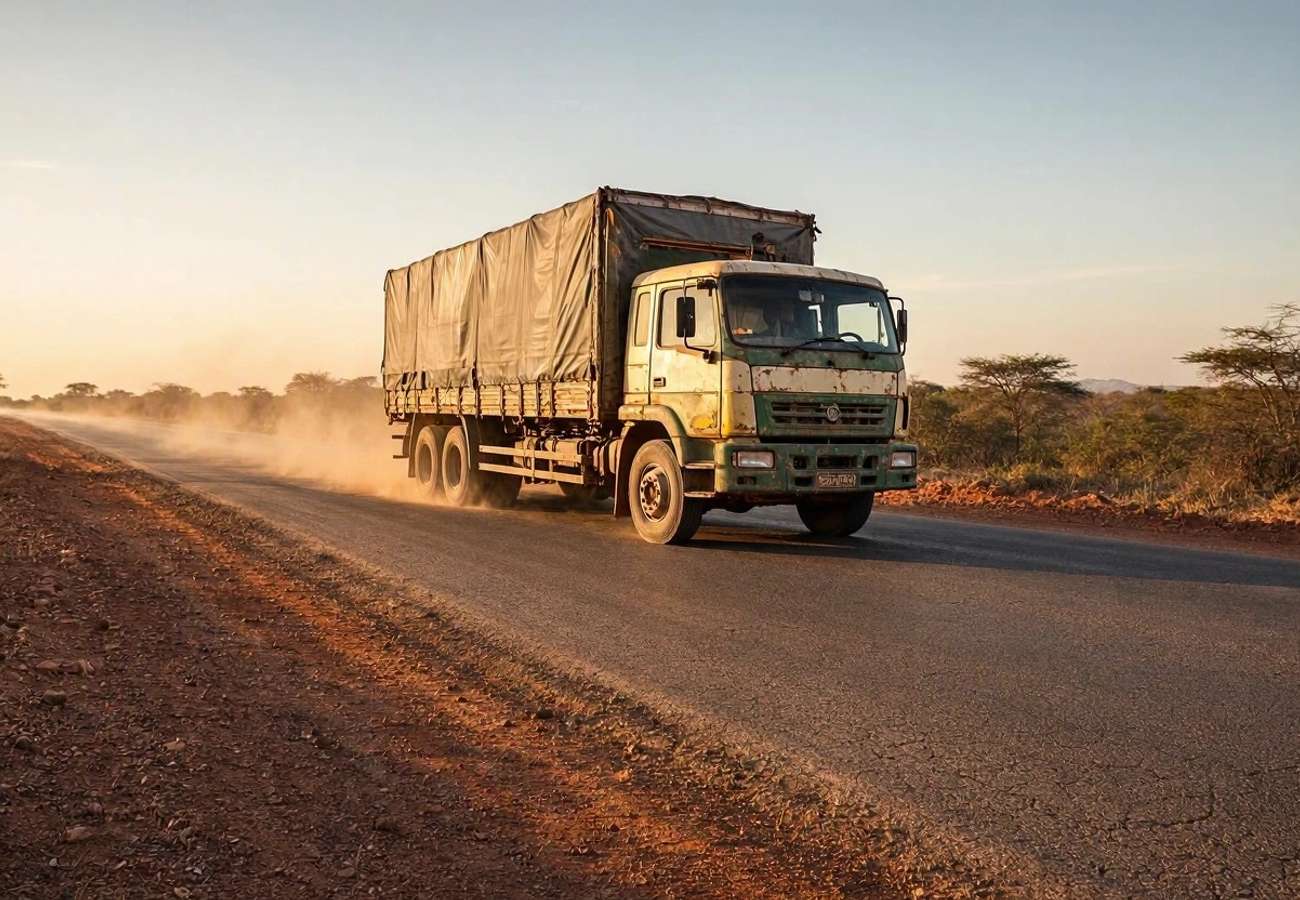
Image generated by AI
While Uganda is aggressively positioning itself as a commercial powerhouse in East Africa, the Government of Canada has issued urgent directives warning of rising abduction threats and severe border constraints near the country's volatile frontiers. This stark contrast highlights a region where high-stakes economic diplomacy exists side-by-side with precarious security realities.
The Dual Narrative: Diplomatic Growth vs. Security Risks
In late 2026, Uganda is operating on two parallel tracks. On one hand, Kampala is securing landmark bilateral agreements to transform its economy through agricultural industrialization and Middle Eastern capital. On the other, international observers and Western governments are tightening safety protocols due to persistent cross-border instability and public health concerns.
For the global investor or expatriate, the challenge is no longer just about market entry, but about risk mitigation. The Ugandan government is pushing its "Vision 2040" and National Development Plans to diversify exports and upgrade infrastructure, yet these ambitions are frequently hampered by porous borders and transnational security threats.
Uganda's Strategic Pivot to South Sudan and Saudi Arabia
Uganda serves as the primary land-link between the Indian Ocean ports of Mombasa and Dar es Salaam and the interior of the continent. This geography makes it an indispensable hub for the Democratic Republic of the Congo, Rwanda, and specifically South Sudan.
The South Sudan Economic Corridor
The Second Uganda–South Sudan Business Forum 2026, hosted at the Mestil Hotel in Kampala, marked a shift toward reducing the "cost of doing business." A new Memorandum of Understanding (MoU) on Trade aims to eliminate non-tariff barriers and synchronize customs procedures. The focus is primarily on the Kampala-Juba highway, which remains the critical artery for building materials, energy products, and manufactured goods flowing into South Sudan.
To stabilize this corridor, technical committees are working on border delimitation and demarcation. By clarifying international boundaries, both nations hope to reduce inter-communal clashes and curb the illegal smuggling that has historically drained formal trade revenue.
The Saudi Arabia Investment Pipeline
Beyond its immediate neighbors, Uganda is courting the Kingdom of Saudi Arabia to fuel its agro-processing sector. High-level talks between President Yoweri Kaguta Museveni and Saudi officials have centered on "coffee industrialization." Saudi Arabia is being invited to invest in commercial farming, storage infrastructure, and export logistics.
This partnership also extends to labor mobility. Both nations are working to formalize the recruitment of Ugandan professionals and domestic workers to Saudi Arabia, aiming to replace illicit recruitment agencies with transparent, government-regulated channels.
Regional Logistics and Trade Focus
The following table outlines the primary focus areas of Uganda's current strategic partnerships:
| Partner | Primary Economic Focus | Key Infrastructure/Asset | Primary Goal |
|---|---|---|---|
| South Sudan | Manufactured goods & Agriculture | Kampala-Juba Highway | Reducing transit delays & customs friction |
| Saudi Arabia | Coffee & Agro-processing | Commercial Farming Plants | Foreign Direct Investment (FDI) & Labor mobility |
| EAC Region | Export Diversification | Standard Gauge Railway (Planned) | Regional market integration |
Visitor Insider Tips
For those traveling to Uganda or operating in the region in 2026, generic guides are insufficient. You need to understand the current friction points.
- Border Movement: If traveling toward South Sudan or the DRC, avoid unofficial crossing points. Use only primary designated borders and ensure all permits are stamped. Check the Official Uganda Tourism Board for current entry requirements.
- Transport Hacks: The Kampala-Juba route is economically vital but can be unpredictable. Use reputable logistics firms rather than independent transporters for commercial goods to avoid "administrative friction" at checkpoints.
- Local Etiquette: In business dealings, particularly with government entities, patience is a requirement. Relationships are built on face-to-face interactions; expect multiple meetings before a contract is finalized.
- Security Baseline: Stay updated via the Government of Canada Travel Advisories or your respective embassy. Avoid travel to frontier regions near volatile borders unless you have a dedicated security detail.
Cultural and Environmental Context
Tourism and trade in Uganda are deeply intertwined with the preservation of its unique heritage and environment. As the country pushes for "agricultural value addition," there is a constant tension between industrializing the land for export (such as coffee) and maintaining the biodiversity that attracts high-end eco-tourism.
Furthermore, the reliance on the East African Community (EAC) framework means that any political tremor in Juba or Kinshasa immediately impacts the markets in Kampala. The push for border demarcation is not just a legal exercise; it is a social necessity to prevent local conflicts over grazing lands and water rights, which often spill over into the trade corridors. For more on regional heritage, explore the UNESCO World Heritage listings for the broader East African region.
FAQ: Visiting Uganda 2026
Is it safe to travel to the borders of South Sudan? Currently, Canada and other nations have issued warnings regarding abduction risks and instability near regional frontiers. It is strongly advised to avoid these areas or travel only with professional security.
What is the best way to enter Uganda for business? Entebbe International Airport is the primary hub. From there, Kampala is the center for diplomatic and commercial engagements. Ensure your visa is processed through the official e-visa portal.
What are the primary investment opportunities in Uganda right now? The government is heavily promoting agro-industrialization, specifically in coffee processing, and infrastructure development linked to the Standard Gauge Railway and oil extraction.
Do I need a visa for Uganda? Yes, most international travelers require a visa. It is recommended to apply for an e-visa before arrival to avoid delays at the border or airport.
The balance between economic ambition and regional volatility makes Uganda a high-reward but high-vigilance destination for 2026.
Related Travel Guides
Disclaimer
This article is for informational and educational purposes only. It does not constitute legal, financial, or professional advice. While we strive to provide accurate and up-to-date information, travel policies, regulations, and conditions change rapidly. Always verify information with official sources before making travel decisions. Nomad Lawyer makes no representations about the accuracy, reliability, completeness, or suitability of the information provided. Readers should consult qualified professionals for advice specific to their circumstances. The views expressed in this article are those of the author and do not necessarily reflect the views of Nomad Lawyer.
Preeti Gunjan
Contributor & Community Manager
A passionate traveller and community builder. Preeti helps grow the Nomad Lawyer community, fostering engagement and bringing the reader experience to life.
Learn more about our team →