
UAE Pairs With Saudi Arabia, Morocco, South Africa and India To Lead Historic Michelin Distinction Drive As Michelin Guide Honors Exceptional Luxury Stays
UAE Pairs With Saudi Arabia, Morocco, South Africa and India To Lead Historic Michelin Distinction Drive As Michelin Guide Honors Exceptional Luxury Stays

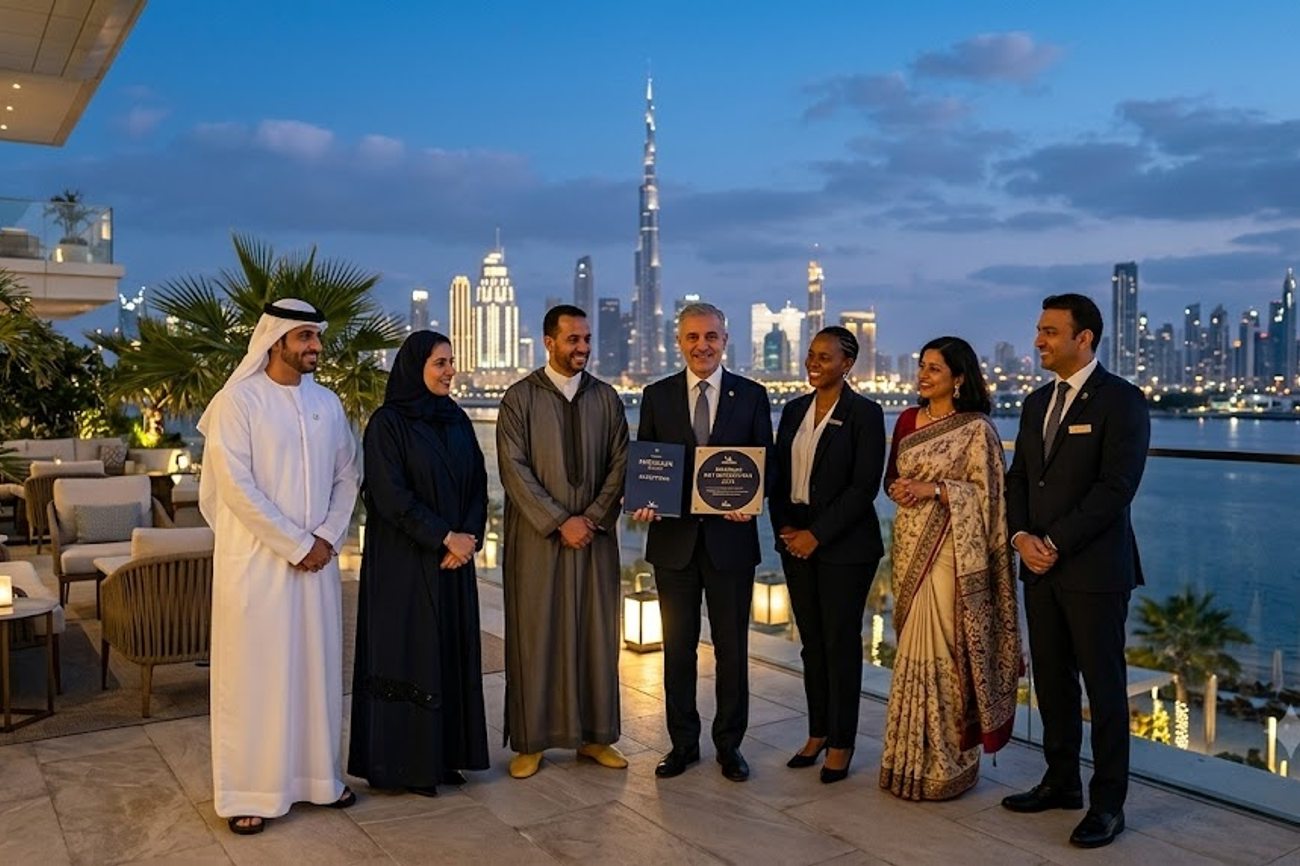
Image generated by AI
Only nine properties globally have reached the pinnacle of the 2026 Michelin Key awards, with the Three Key distinction reserved for stays so exceptional they justify a trip to the destination on their own. While luxury has long existed in these regions, this specific accreditation marks a shift in how the world perceives hospitality in the Global South—moving from "exotic" to objectively world-class.
The Shift Toward Experiential Luxury
The 2026 Michelin Key unveiling is more than just a list of fancy hotels; it is a roadmap for the next decade of high-end travel in the Middle East, Africa, and South Asia. With 189 properties receiving One, Two, or Three Keys across 11 destinations, the guide is legitimizing a move away from cookie-cutter luxury. We are seeing a transition where the "luxury" is no longer just about gold-plated faucets, but about the preservation of heritage and the integration of architecture into the natural environment.
In India, the focus is on the "Palace Hotel" concept, where the stay is a living history lesson. In Saudi Arabia and Oman, the trend is "Invisible Luxury," where resorts like the Desert Rock Resort in Umluj—which secured Three Keys and a specific Architecture & Design Award—blend into the rocky terrain rather than dominating it. This shift is designed to attract a more discerning traveler: the nomad who wants the comforts of a five-star suite but the soul of a local expedition.
What Makes These Regions Different
When you look at the distribution of the 189 honored properties, the diversity of the experience is staggering. India leads the pack with 47 recognized hotels, emphasizing a blend of royal heritage in Rajasthan and Telangana with the wellness-centric sanctuaries of Kerala. The experience here is defined by "legendary personalized service," a cultural trait where the staff anticipates your needs before you voice them.
South Africa, with 32 honored properties, offers a completely different rhythm. Here, luxury is defined by the proximity to the wild. The Three Key winners, including Royal Malewane and Londolozi Game Reserve, prove that high-end hospitality can exist within the raw environment of Kruger National Park without compromising the ecological integrity of the land.
Morocco's 31 recognized stays, such as the iconic La Mamounia in Marrakech and Kasbah Tamadot in the Atlas Mountains, lean heavily into the "Riad" culture. These are not just hotels; they are architectural sanctuaries centered around internal courtyards, emphasizing privacy and artisan craftsmanship. This contrast—from the high-rise, ultra-modernist luxury of Atlantis The Royal in Dubai (UAE, 25 hotels) to the eco-lodges near Petra in Jordan (5 hotels)—shows that the region is no longer a monolith of "desert luxury" but a complex mosaic of styles.
Visitor Insider Tips
Navigating these high-end destinations requires more than just a reservation; it requires an understanding of local rhythms.
Timing and Access If you are heading to the Three Key palaces of India, such as the Taj Lake Palace in Udaipur or Taj Falaknuma Palace in Hyderabad, avoid the peak winter months of December and January when crowds are heaviest. Instead, aim for the shoulder seasons of October or March. For those visiting the Red Sea resorts in Saudi Arabia or the Nile-side hotels in Egypt (13 recognized properties), the window from November to February is the only time to avoid the oppressive summer heat.
Local Etiquette In Morocco and the Middle East, the concept of hospitality is sacred. When staying in a traditional Riad or a desert camp in Wadi Rum, Jordan, remember that these are often family-run or community-integrated businesses. A small, thoughtful gift from your home country for the head concierge or manager often opens doors to experiences—like private dinners in non-tourist areas—that money cannot buy.
Transport Hacks Avoid relying solely on hotel limousines. In the UAE and Qatar, using the official transport apps is efficient, but for the more remote Three Key locations like the Hajar Mountains in Oman (3 hotels) or the Atlas Mountains in Morocco, arrange a 4x4 vehicle through the property at least two weeks in advance. The terrain is rugged, and "on-demand" transport is non-existent in the high-altitude sanctuaries.
Regional Specialties While the Michelin-rated hotels offer world-class dining, the real magic happens in the "in-between" spaces. In South Africa, pair your stay at Delaire Graff Estate with a visit to local wine cooperatives in the Western Cape. In India, seek out the street food of Hyderabad near the Falaknuma Palace to contrast the royal dining with the city's authentic flavors.
Cultural and Environmental Context
The influx of Michelin-recognized luxury is a double-edged sword. On one hand, it drives significant economic benefits and encourages the meticulous preservation of historic sites. The recognition of 47 hotels in India, for example, provides a financial incentive to maintain royal palaces that might otherwise fall into decay.
However, the environmental pressure is real, particularly in the "eco-tourism" hubs of Saudi Arabia and Oman. The Saudi Vision 2030 goals aim to turn the kingdom into a global hub, but building luxury resorts in pristine coastal areas like Umluj requires a delicate balance. The "Invisible Architecture" mentioned in the awards is a response to this; by integrating buildings into the rock and sand, developers reduce the visual and physical footprint on the land.
Furthermore, in South Africa, the success of lodges like Londolozi is tied directly to wildlife conservation. These high-value, low-volume tourism models provide the funding necessary to protect endangered species from poaching. When you pay a premium for a Three Key stay, a portion of that capital typically flows back into the land management and community employment programs of the surrounding region. For more on how these sites are protected, the UNESCO World Heritage Centre provides excellent context on the balance between tourism and preservation.
For those planning a broader journey through these regions, consulting the official Visit Saudi or Visit India portals can help align your luxury stays with local cultural festivals and seasonal events.
FAQ: Visiting These Destinations 2026
What is the best time to visit the Middle East and North Africa? The ideal window is October through April. This avoids the extreme summer heat, making it possible to enjoy the desert resorts of Saudi Arabia, the riads of Morocco, and the Nile cruises in Egypt comfortably.
Do I need a visa for these regions? Visa requirements vary wildly. Saudi Arabia has significantly streamlined its e-visa process for many nationalities to support Vision 2030, while India requires an e-visa for most visitors. Always check the official government portal of your destination.
How do I get to the remote Three Key resorts? Most high-end properties in Oman, Saudi Arabia, and South Africa provide chartered transfers from the nearest major hub (e.g., Riyadh, Muscat, or Cape Town). It is highly recommended to book these through the hotel for safety and reliability.
Is it safe for solo travelers to visit these luxury hubs? Yes, especially when staying at Michelin-recognized properties, which provide high levels of security and concierge support. However, using official transport and respecting local dress codes in conservative regions is advised.
True luxury is no longer about the thread count of the sheets, but the depth of the story the destination tells you.
Related Travel Guides
- Taj Hotels Dominates Luxury Hospitality 2026 as World’s Strongest Hotel Brand With Global Expansion
- Hotel Las Dunas Reveals a Major Travel Shift as Last Minute Travelers Transform How Guests Plan Their Ica Escapes
- Grand Hyatt Cancun Beach Resort Opens in 2026 with their Luxury Beachfront Experiences and Wellness
Disclaimer
This article is for informational and educational purposes only. It does not constitute legal, financial, or professional advice. While we strive to provide accurate and up-to-date information, travel policies, regulations, and conditions change rapidly. Always verify information with official sources before making travel decisions. Nomad Lawyer makes no representations about the accuracy, reliability, completeness, or suitability of the information provided. Readers should consult qualified professionals for advice specific to their circumstances. The views expressed in this article are those of the author and do not necessarily reflect the views of Nomad Lawyer.
Preeti Gunjan
Contributor & Community Manager
A passionate traveller and community builder. Preeti helps grow the Nomad Lawyer community, fostering engagement and bringing the reader experience to life.
Learn more about our team →