
Taj Hotels Dominates Luxury Hospitality 2026 as World’s Strongest Hotel Brand With Global Expansion
Taj Hotels Dominates Luxury Hospitality 2026 as World’s Strongest Hotel Brand With Global Expansion

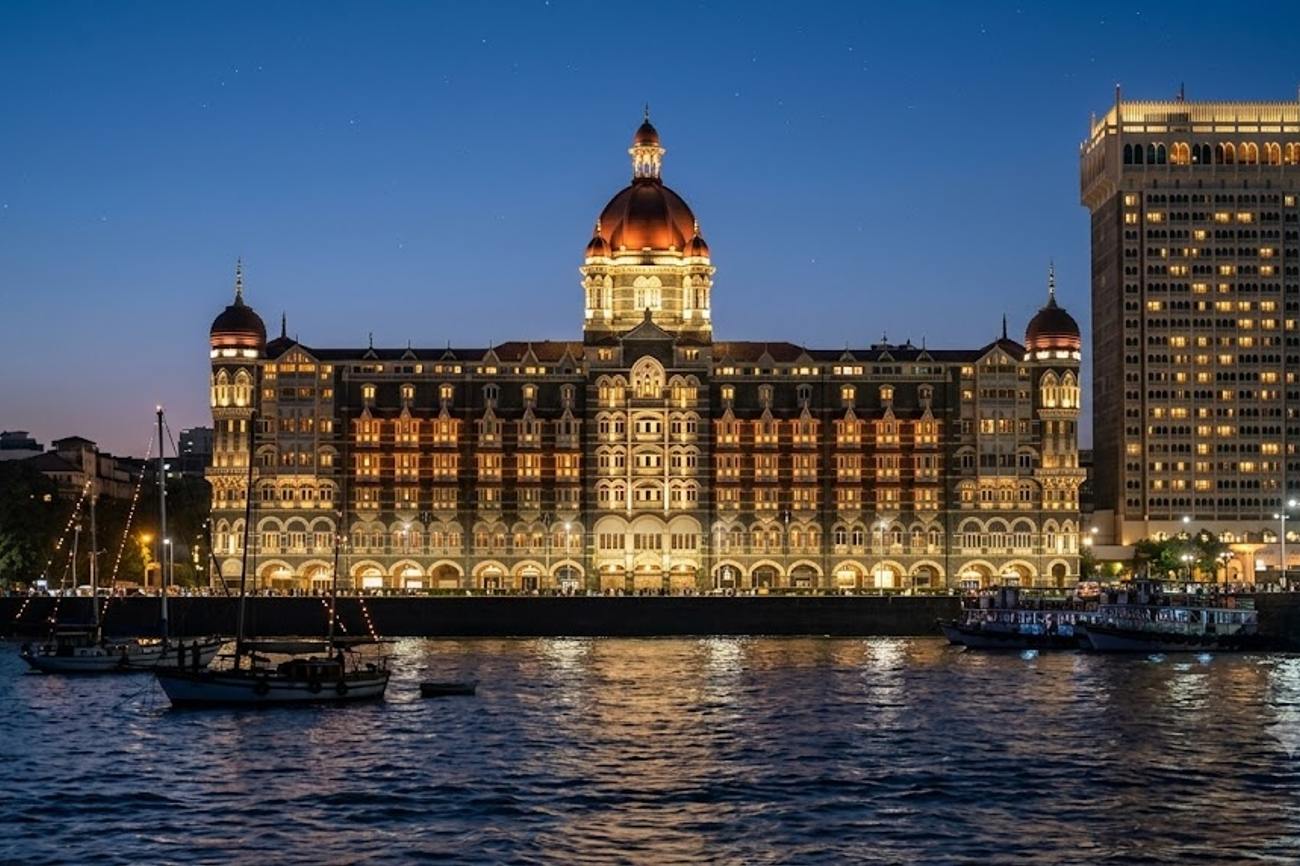
Image generated by AI
While global luxury hotel valuations have fluctuated amid shifting macroeconomic pressures, Taj Hotels has recorded a 32% surge in brand value, reaching USD 878 million. This trajectory places the brand at the apex of the luxury sector, securing the title of World’s Strongest Luxury Hotel Brand 2026 according to the Brand Finance UK Hotels 50 report. This is not an isolated spike but a sustained pattern of dominance, as the brand has now claimed the top global spot for the fifth time, signaling a systemic shift in how luxury travelers perceive value—moving away from standardized opulence toward culturally embedded experiences.
The Luxury Index in Numbers: Taj’s Market Dominance
The data provided by the Brand Finance UK Hotels 50 2026 report reveals a brand operating at near-perfect efficiency in terms of perception and market strength. Taj Hotels achieved a Brand Strength Index (BSI) score of 93.5 out of 100. In the world of brand valuation, a score of this magnitude, coupled with an AAA+ brand strength rating, indicates an elite level of consumer trust and market resilience.
The financial growth is equally telling. A 32% increase in brand value to USD 878 million suggests that the market is currently placing a premium on "heritage luxury" over "corporate luxury." This growth is supported by a physical infrastructure that spans 150 hotels across 14 different countries. The diversification of their portfolio—ranging from royal palace hotels and urban business hubs to wildlife lodges and beach resorts—allows the brand to capture multiple luxury segments simultaneously.
This performance is a primary driver for the broader Indian Hotels Company (IHCL), which currently stands as India's largest hospitality entity by market capitalization. The scale of IHCL's operations provides the backbone for Taj's strength, with a total managed portfolio of 660 hotels. More importantly, the growth trajectory remains aggressive, with 274 properties currently in the development pipeline. This expansion across four continents and more than 300 locations suggests that the "Indian hospitality model" is being exported globally to meet a rising demand for high-touch, personalized service.
Comparative Context: Heritage vs. Standardized Luxury
To understand the significance of a 93.5 BSI score, one must look at the broader shift in the World Tourism Organization (UNWTO) data regarding experiential travel. For decades, the luxury market was dominated by Western standards of symmetry and predictability. However, the current data suggests a pivot toward "cultural immersion." Taj’s success is a direct result of integrating Indian arts, regional cuisine, and traditional architecture into a modern service framework.
When comparing Taj's growth to the general luxury hotel sector, the 32% jump in brand value outperforms many traditional legacy brands that have struggled to redefine luxury for the post-pandemic traveler. The shift is evident in the transition from "accommodation-centric" models to "experience-centric" models.
The following table illustrates the current scale and trajectory of the IHCL ecosystem, which supports the Taj brand:
| Metric | Current Status (2026 Report) | Future Pipeline / Reach |
|---|---|---|
| Taj Brand Value | USD 878 Million | 32% Increase YoY |
| Brand Strength Index | 93.5 / 100 | AAA+ Rating |
| Total IHCL Portfolio | 660 Hotels | 274 Properties in Development |
| Global Footprint | 14 Countries (Taj) / 15 (IHCL) | 300+ Locations |
| Market Position | #1 Strongest Luxury Brand | 5-Time Top Rank Holder |
This data indicates that IHCL is not merely maintaining its position but is in a phase of rapid scaling. The gap between the number of existing hotels (660) and the pipeline (274) shows a growth intent of approximately 41% in total capacity, a rate that exceeds many of its global competitors in the luxury tier.
Practical Traveler Advisory and Strategic Insights
For the individual traveler, the ascent of Taj Hotels as the world's strongest luxury brand signals a change in where the best "value-for-luxury" is currently found. The data suggests that if you are seeking a blend of high-end infrastructure and authentic cultural immersion, the Indian luxury market—specifically through the Taj portfolio—is currently the global benchmark.
Actionable Booking Strategies:
- Diversify Your Stay Types: Because Taj has optimized its BSI across five distinct property types (Palaces, City, Beach, Wildlife, and Residences), travelers should avoid booking the same style of hotel for an entire trip. To maximize the "heritage" value, pair a stay at a Rajasthan palace hotel with a wildlife lodge to experience the full spectrum of the brand's 93.5 BSI strength.
- Leverage the Pipeline Growth: With 274 properties in development, new luxury openings are frequent. Travelers should monitor IHCL’s investor relations pages for new property launches, as "opening offers" at new AAA+ rated properties often provide high-value entry points into the luxury tier.
Taj Hotels continues to strengthen its global footprint by integrating luxury stays with seamless travel connectivity for international guests. Travelers visiting these properties can coordinate their arrivals through the Ministry of Tourism, which provides official guidelines and resources for exploring India's cultural heritage. 3. Timing the Indian Market: For those visiting hubs like Mumbai, Delhi, Goa, or Kerala, the high demand driven by Taj's global ranking means that peak season availability will tighten. Based on the current brand trajectory, booking 12-16 weeks in advance for palace properties is now recommended to avoid premium surge pricing. 4. Focus on Experiential Add-ons: Since the brand's value is tied to "personalized guest experiences" and "Indian arts," travelers should prioritize booking the curated destination-focused activities over standard room upgrades. The data shows this is where the brand's actual strength lies.
Forward Projection: The Global Export of Indian Hospitality
The trajectory of Taj Hotels suggests that we are entering an era of "Regional Luxury Dominance." For years, the International Air Transport Association (IATA) and other bodies have tracked the increase in connectivity to South Asia; this hospitality data confirms that the infrastructure is now ready to absorb that traffic at a premium level.
Looking toward 2027 and beyond, the expansion of IHCL across four continents indicates a strategy to decouple "Indian Hospitality" from "Indian Geography." We can expect Taj to implement its heritage-driven service model in non-Indian markets, challenging the dominance of European and North American luxury chains.
The continued investment in the development pipeline (274 properties) suggests that IHCL is betting on a long-term increase in the global middle-and-upper-class appetite for "meaningful stays." As the luxury market continues to move away from sterile environments toward culturally rich narratives, Taj's current lead is likely to widen, provided they can maintain the AAA+ service standard while scaling their footprint by over 40%.
FAQ: Taj Luxury Trends 2026
Will room rates at Taj properties increase due to this ranking? Likely yes. A 32% increase in brand value and a top global ranking typically grant a brand higher pricing power. Travelers should expect a premium on "Palace" and "Heritage" properties during peak cultural seasons.
Is this a good time to book a trip to India? Yes. The expansion of the IHCL portfolio to 660 hotels, with hundreds more coming, means there is more luxury capacity than ever before, reducing the risk of "luxury bottlenecks" in popular destinations like Rajasthan.
Which Taj property types offer the most "authentic" experience? The data points to the Historic Palace hotels and Wildlife lodges. These properties are the primary drivers of the brand's focus on Indian arts and culture, which contributed to the 93.5 BSI score.
How does Taj compare to other global luxury brands? While many brands focus on standardized luxury, Taj’s AAA+ rating is derived from its ability to blend local culture with international standards, making it "stronger" in terms of brand identity and consumer trust.
The era of the generic luxury hotel is ending; the era of the culturally anchored powerhouse has arrived.
Tags: Taj-Hotels-BSI-2026, IHCL-Market-Cap-Growth, India-Luxury-Hospitality-Expansion, Brand-Finance-Hotels-50, Heritage-Travel-Trends-2026
Related Travel Guides
- Hotel Las Dunas Reveals a Major Travel Shift as Last Minute Travelers Transform How Guests Plan Their Ica Escapes
- Grand Hyatt Cancun Beach Resort Opens in 2026 with their Luxury Beachfront Experiences and Wellness
- Africa Travel Boom: Banyan Group Expands Safari Tourism With Newmark Hotels Acquisition
Disclaimer
This article is for informational and educational purposes only. It does not constitute legal, financial, or professional advice. While we strive to provide accurate and up-to-date information, travel policies, regulations, and conditions change rapidly. Always verify information with official sources before making travel decisions. Nomad Lawyer makes no representations about the accuracy, reliability, completeness, or suitability of the information provided. Readers should consult qualified professionals for advice specific to their circumstances. The views expressed in this article are those of the author and do not necessarily reflect the views of Nomad Lawyer.
Kunal K Choudhary
Co-Founder & Contributor
A passionate traveller and tech enthusiast. Kunal contributes to the vision and growth of Nomad Lawyer, bringing fresh perspectives and driving the community forward.
Learn more about our team →