
Emirates and Etihad Defeat Middle East Travel Chaos and Severe Airport Disruptions as Historic US-Iran Ceasefire Unblocks Gulf Air Routes: Latest Airline News
As geopolitical tensions previously triggered massive flight cancellations, a sudden US-Iran ceasefire allows Gulf mega-carriers to unblock transit routes and entirely reverse regional travel chaos.

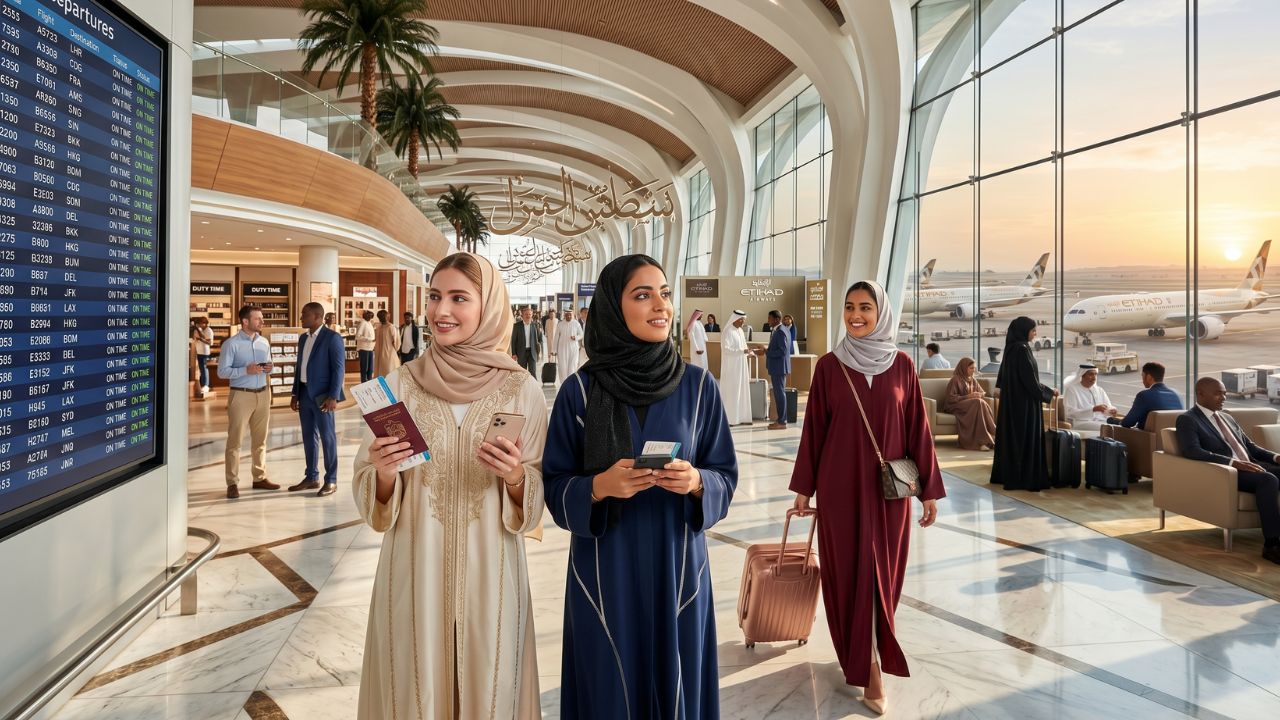
Image generated by AI
In a massive, geopolitically driven operational pivot designed to permanently eradicate the severe travel chaos and catastrophic flight cancellations that previously paralyzed the Middle East, the Gulf aviation sector is executing an unprecedented structural rebound. Following the historic US-Iran ceasefire agreement, regional tensions have dramatically decreased, actively unblocking the restricted air routes that previously caused widespread airport disruptions. Leading this aggressive recovery ahead of the summer 2026 travel season, a coalition of aviation titans—including Emirates, Etihad Airways, flydubai, Air Arabia, Qatar Airways, and Saudia—are rapidly restoring international connectivity across the mega-hubs of Dubai and Abu Dhabi. By entirely reversing the airline inefficiencies, extended detours, and brutal fuel strain caused by the prior airspace instability, this massive route unblocking represents the premier headline in today's breaking airline news and essential global aviation updates.
By introducing direct passenger coordination and dynamic scheduling backups, the regional aviation hubs target growing passenger demand across vital commerce sectors. The choice to coordinate flight departures in phases helps to manage gate capacity, supporting the country's broader regional transportation network.
Context: Eradicating the Geopolitical Airspace Meltdown
For the millions of global tourists and corporate professionals who rely heavily on the Gulf transit hubs connecting Europe and Asia, the recent era of airspace closures degenerated into an absolute nightmare of travel chaos.
Historically, the airspace surrounding the Gulf was the most efficient transit corridor in the world. However, prior regional instability forced severe airspace restrictions, resulting in massive, operationally disruptive flight detours. This inefficient routing caused extreme fuel usage, destroyed on-time performance, and triggered rolling flight cancellations that stranded thousands. The US-Iran ceasefire is the definitive cure to this operational disease. By gradually easing Gulf region airspace restrictions, the ceasefire allows carriers to restore their highly efficient long-haul pathways. Airline scheduling is rapidly stabilizing, and the severe airport disruptions that plagued transit terminals are vanishing. The recovery is progressive, with carriers aggressively adjusting capacity as consumer confidence violently rebounds on high-volume routes.
To view live flight schedules, specific route restoration updates, or the newly unblocked connection options, travelers must consult official UAE aviation directories. For direct booking access to these newly stabilized, highly efficient transit routes, travelers should check the official Emirates or Etihad Airways booking portals. To explore live flight tracking and visually confirm that carriers are no longer forced into massive geographical detours, passengers can consult the official FlightAware tracking service.
Section-Wise Breakdown of the Gulf Rebound
Dubai: The Emirates and flydubai Offensive
Dubai has immediately leveraged the unblocked airspace to restore its position as the world's premier transit hub. Emirates is leading the charge, aggressively restoring long-haul services on vital global routes connecting Asia and Europe. Simultaneously, flydubai is expanding its regional short-haul footprint, capturing the massive surge in local demand without the paralyzing fear of sudden airspace closures.
Abu Dhabi: Etihad's Capacity Restoration
In Abu Dhabi, Etihad Airways is heavily focused on rebuilding capacity and expanding connectivity. By utilizing the shorter, safer flight paths permitted under the ceasefire, the airline can increase seat capacity on high-demand routes while heavily reducing operational fuel strain, allowing the carrier to aggressively rebuild corporate and leisure travel demand into the UAE capital.
Broader Gulf Transit: Qatar and Saudia
To ensure the entire Middle East transit ecosystem recovers from the previous travel chaos, Qatar Airways and Saudia are actively strengthening intra-regional transit networks. Operating out of Doha, Riyadh, and Jeddah, these carriers are improving the critical connecting arteries between Asia, Europe, Africa, and the Gulf, drastically diversifying their tourism networks in the wake of the diplomatic agreement.
Technical Roster: Airline Recovery 2026 Capacity Overview (UAE & Gulf Network Implications)
To ensure absolute factual accuracy regarding the specific airlines driving this massive recovery away from the prior airport disruptions, the following table details the exact operational focus of the Gulf carriers:
| Airline | Hub | Focus for Recovery | Current Situation |
|---|---|---|---|
| Emirates | Dubai | Restoration of long-haul network | Strong recovery of demand for travel |
| Etihad Airways | Abu Dhabi | Rebuilding capacity & connectivity | Gradual recovery of load factor |
| flydubai | Dubai | Expansion of regional short-haul | Stable demand for regional travel |
| Air Arabia | Sharjah | Normalization of low-cost network | Increased leisure travel |
| Qatar Airways | Doha | Optimizing transit hub | Strong demand for connecting travel |
| Saudia | Riyadh / Jeddah | Diversification of tourism routes | Increased global network expansion |
Passenger Impact: Reclaiming the Gulf Connection
For the everyday passenger and high-yield corporate traveler, the unblocking of the Gulf airspace represents the ultimate logistical victory against travel anxiety.
The immediate passenger impact is the absolute stabilization of the transit journey. Under the previous regime of geopolitical restrictions, travelers passing through Dubai or Doha risked sudden flight cancellations and terrifyingly long multi-hour detours. Today, because long-haul international routes require far fewer detours, flight times are significantly shorter and on-time performance across Gulf hubs has drastically improved. This stability has triggered a massive tourism demand surge in the UAE. There is a strong rebound of leisure travel from Europe and Asia, alongside a massive recovery of VFR (visiting friends and relatives) travel from South Asia. Premium hotel bookings are heavily recovering in Dubai, and high-value corporate travel events are stabilizing.
Industry Analysis: The Economics of Ceasefire Aviation
Aviation industry analysts view the US-Iran ceasefire as the single most critical economic catalyst for the 2026 airline recovery.
Analysts note that the sudden removal of airspace detours directly translates to massive fuel savings and vast improvements in operational efficiency. As Gulf routes reopen, the brutal scheduling inefficiencies that plagued the major hubs are eliminated. However, industry experts provide a stark caveat: full stability remains entirely dependent on the maintenance of these diplomatic agreements and consistent assurances of safe airspace. While confidence is currently driving bookings—evident in the aggressive competition among Gulf carriers for connecting guests—airlines must remain highly agile. Furthermore, analysts warn that despite the easing of tensions, legacy insurance costs will continue to restrict the absolute full financial recovery of the region.
Actionable Advice for Navigating the UAE Aviation Rebound
If you are an international traveler seeking to leverage this massive airspace unblocking to avoid the severe travel chaos that recently plagued the Middle East, execute this strategic planning checklist immediately:
- Leverage the Restored Long-Haul Routes: Abandon any convoluted itineraries you previously booked to avoid the Middle East. Re-book directly through Dubai (Emirates) or Abu Dhabi (Etihad) to take advantage of the newly restored, highly efficient direct pathways connecting Europe to Asia.
- Maintain Buffer Times: While stability is returning, you must still build in longer connection times for international flights. The hubs are managing a massive surge in passenger volume as routes reopen, which can temporarily stress terminal processing.
- Monitor Summer Fare Fluctuations: Keep an extremely close eye on fare fluctuations during the Summer 2026 travel season. As carriers aggressively compete for connecting guests, massive price wars will likely emerge between Qatar Airways, Emirates, and Saudia.
- Demand Booking Flexibility: Because the rapid recovery of the tourism sector remains sensitive to abrupt geopolitical events, you must still purchase fully flexible plane tickets and set up airline notifications to protect against sudden schedule shifts.
FAQ: UAE Aviation Rebound & Travel Chaos 2026
Why is the UAE aviation rebound occurring in 2026?
Following years of geopolitical tension, the US-Iran ceasefire has facilitated a partial reopening of restricted Gulf air routes, allowing carriers like Emirates and Etihad Airways to safely restore massive passenger services.
Will there still be flight cancellations during Summer Travel 2026?
While there may be minor schedule adjustments as airlines transition their massive fleets back to normal airspace corridors, the severe flight cancellations and travel chaos of the past have been largely eradicated.
Which airlines are driving the recovery away from airport disruptions?
The restoration of stability across the Gulf is being heavily driven by the capacity rebuilding efforts of Emirates, Etihad Airways, flydubai, Air Arabia, Qatar Airways, and Saudia.
The Re-Emergence of the Gulf Mega-Hubs
The explosive restoration of UAE aviation routes proves definitively that the Gulf transit model remains completely unparalleled when operating in unblocked airspace. By offering corporate and leisure passengers a highly capitalized, direct bypass around the severe travel chaos that crippled older routing paths, Emirates and Etihad have reclaimed their supremacy in global transit. As diplomatic agreements stabilize the skies above Dubai, Abu Dhabi, and Doha, passengers must accept a critical new reality: the geopolitical restrictions that previously caused brutal airport disruptions have been lifted, and routing through the Middle East is once again the fastest, most efficient method of crossing the globe.
Key Takeaways
- Ceasefire Rebound: The US-Iran ceasefire has unblocked critical Middle Eastern airspace, entirely eliminating the severe travel chaos and flight cancellations caused by forced routing detours.
- Mega-Carrier Recovery: Emirates and Etihad are aggressively restoring massive long-haul services, operating far more efficiently through Dubai and Abu Dhabi without airspace restrictions.
- Massive Fuel Savings: The reopening of Gulf corridors has eliminated massive route detours, generating huge fuel savings and drastically improving on-time performance at transit hubs.
- Tourism Demand Surge: The return of schedule stability has triggered a massive boom in premium hotel bookings and leisure arrivals from Europe, Asia, and South Asia into the UAE.
- Geopolitical Caution Remains: While the recovery is strong, travelers are still advised to purchase flexible tickets, as the industry remains highly sensitive to any sudden collapse of diplomatic agreements.
Related Travel Guides
Iran Crisis Triggers Massive Global Travel Chaos
German Airport Strike Rebooking Strategies on Reddit
Global Airlines Expand Secondary Hubs to Defeat Travel Chaos
Disclaimer
This article is for informational and educational purposes only. It does not constitute legal, financial, or professional advice. While we strive to provide accurate and up-to-date information, travel policies, regulations, and conditions change rapidly. Always verify information with official sources before making travel decisions. Nomad Lawyer makes no representations about the accuracy, reliability, completeness, or suitability of the information provided. Readers should consult qualified professionals for advice specific to their circumstances. The views expressed in this article are those of the author and do not necessarily reflect the views of Nomad Lawyer.
Kunal K Choudhary
Co-Founder & Contributor
A passionate traveller and tech enthusiast. Kunal contributes to the vision and growth of Nomad Lawyer, bringing fresh perspectives and driving the community forward.
Learn more about our team →