
Next-Generation Combat Aircraft Race Intensifies: Five Sixth-Generation Fighters Set to Reshape Global Air Superiority
Breaking airline news and aviation industry updates for 2026.

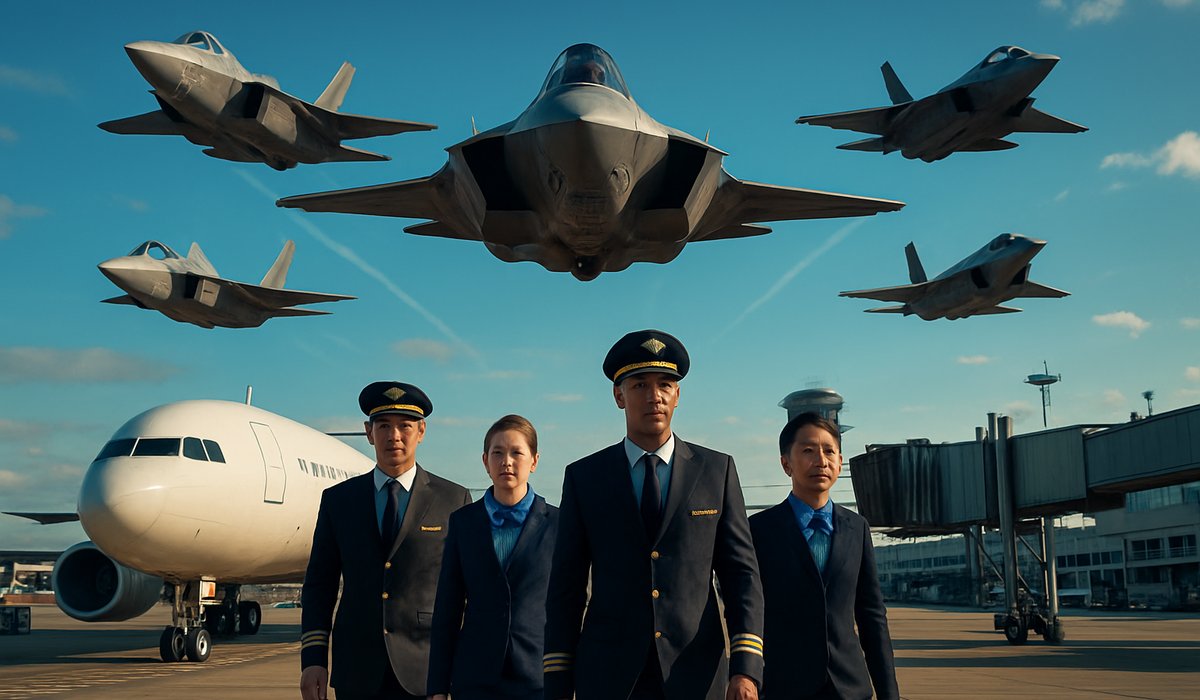
Image generated by AI
Next-Generation Combat Aircraft Race Intensifies: Five Sixth-Generation Fighters Set to Reshape Global Air Superiority
As 2026 marks a critical inflection point, military powers accelerate development of revolutionary warplanes expected to dominate aerial warfare by 2030
The Sixth-Generation Arms Race Takes Flight
A dramatic technological competition is unfolding across the world's most advanced aerospace programs. Beginning in 2026, nations have entered an accelerated development phase for sixth-generation combat aircraft—a new class of warplanes engineered to fundamentally alter air combat dynamics when they achieve operational status around 2030.
The geopolitical stakes could not be higher. While China's military aviation sector secured a symbolic advantage by conducting the first publicly documented test flight of a sixth-generation airframe, Western powers—led by the United States alongside key European allies—are now mobilizing substantial resources to recapture technological superiority in this critical domain.
A Watershed Moment in Military Aviation
The emergence of this next-generation fighter category represents a watershed for global defense architecture. These aircraft are expected to incorporate revolutionary capabilities including advanced artificial intelligence integration, hypersonic flight potential, autonomous combat functions, and sensor fusion systems that far exceed current fifth-generation platforms like the F-35 and F-22.
Defense analysts underscore that whichever nation fields operational sixth-generation fighters first will command unprecedented advantages in regional and potentially global power projection. The timeline suggests that by the early 2030s, these aircraft could fundamentally alter existing military balances.
Strategic Competition Across Three Continents
The race spans three continental powers with distinct technological approaches. China's early demonstration signals significant investment in parallel development tracks, while the United States is coordinating the Next Generation Air Dominance (NGAD) program alongside allied nations. European manufacturers, including partnerships between British, French, and German defense contractors, are advancing competing platforms designed for NATO deployment.
Each program represents multi-billion-dollar commitments reflecting deep strategic calculations about future conflict scenarios—from contested Pacific airspace to European security concerns.
The Operational Horizon Narrows
Industry observers note that the compressed timeline between now and 2030 represents an unusually aggressive development schedule. Previous fighter generation cycles typically spanned 15-20 years from concept to operational deployment. The current acceleration reflects both technological maturation in key enabling systems and acute geopolitical urgency driving defense spending.
FAQ: Sixth-Generation Combat Aircraft Explained
Q: What defines a sixth-generation fighter jet? A: Sixth-generation aircraft incorporate AI-assisted targeting, hypersonic capabilities, reduced radar signatures beyond fifth-gen standards, autonomous functions, and advanced sensor networks compared to current F-35 and Rafale platforms.
Q: Why is 2030 significant for these aircraft? A: 2030 marks the expected operational deployment window when prototype testing transitions to active military service, fundamentally shifting air superiority equations.
Q: Which countries are developing sixth-generation fighters? A: China, the United States, France, Germany, and the United Kingdom are confirmed programs; Russia and Japan are pursuing parallel initiatives.
Q: How will these aircraft change air combat doctrine? A: Sixth-generation fighters are expected to operate with greater autonomy, reduced pilot workload, and network-centric warfare capabilities enabling coordinated multi-aircraft operations at unprecedented scale.
Q: What are the cost implications? A: Unit costs are projected between $200-300 million per aircraft, representing significant budget pressures for defense ministries globally.
Related Travel Guides
Disclaimer
This article is for informational and educational purposes only. It does not constitute legal, financial, or professional advice. While we strive to provide accurate and up-to-date information, travel policies, regulations, and conditions change rapidly. Always verify information with official sources before making travel decisions. Nomad Lawyer makes no representations about the accuracy, reliability, completeness, or suitability of the information provided. Readers should consult qualified professionals for advice specific to their circumstances. The views expressed in this article are those of the author and do not necessarily reflect the views of Nomad Lawyer.
Kunal K Choudhary
Co-Founder & Contributor
A passionate traveller and tech enthusiast. Kunal contributes to the vision and growth of Nomad Lawyer, bringing fresh perspectives and driving the community forward.
Learn more about our team →