
UAE Aviation Crisis 2026: 412 Delays and 19 Cancellations Hit Dubai, Abu Dhabi and Sharjah Airports
Regional security escalations lead to 412 flight delays and 19 cancellations across UAE aviation hubs, impacting Emirates, Etihad, and Air Arabia operations.

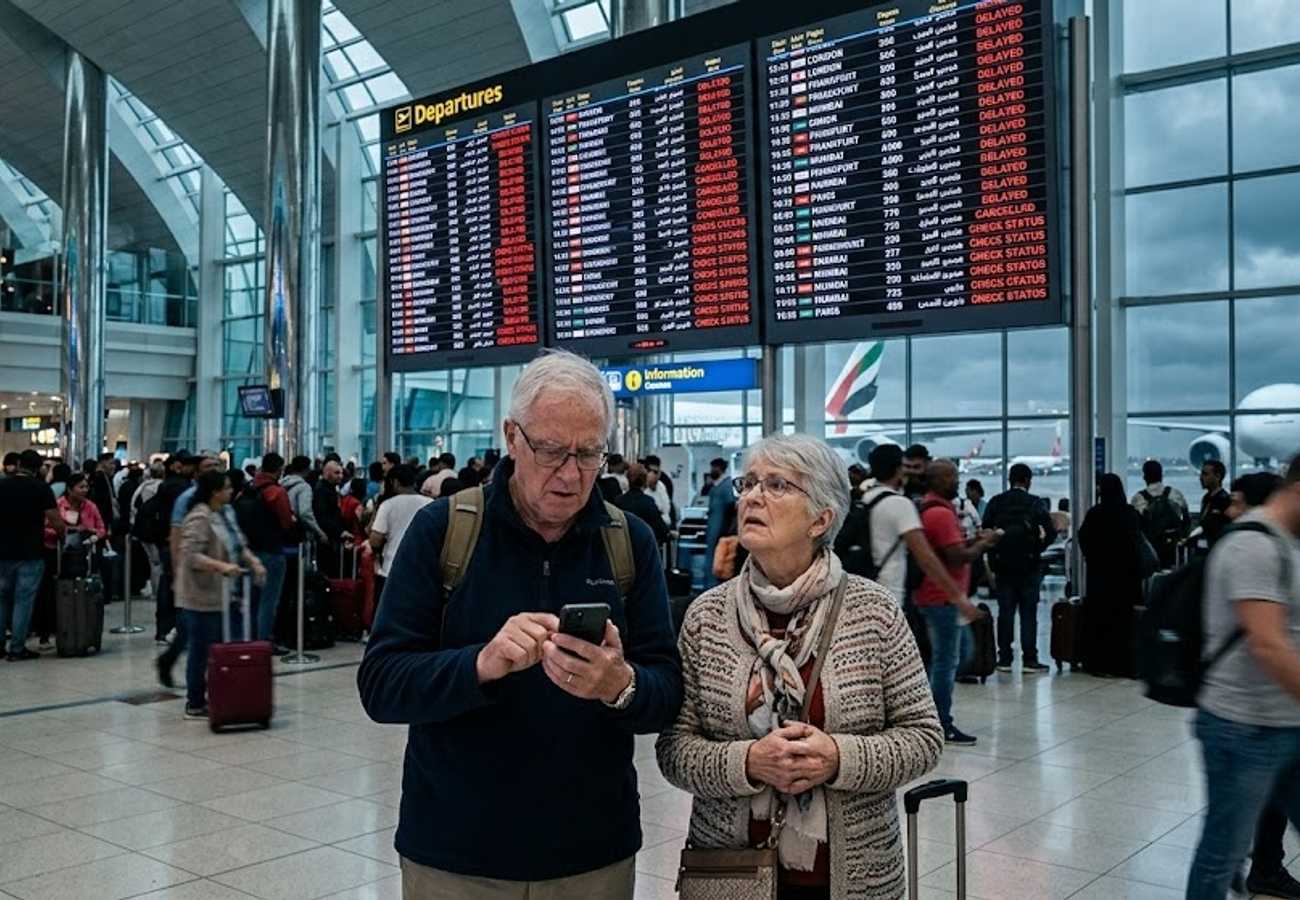
Image generated by AI
Regional security escalations have triggered 412 delays and 19 cancellations across the UAE's primary aviation hubs. This disruption follows the interception of four ballistic missiles and 25 drones launched from Iran.
The stability of the Gulf's aviation network is currently facing a severe test. As the UAE Ministry of Defence confirmed the successful interception of aerial threats, the ripple effects were felt immediately across the region's most critical transit points. For the global traveler, this represents more than just a scheduling glitch; it is a stark reminder of how geopolitical volatility directly impacts the operational viability of the world's busiest connecting hubs.
The Local Trend: Security-Driven Operational Shifts
The current trend in UAE aviation is a move toward "hyper-vigilant scheduling." Airlines are no longer just managing weather or technical faults but are actively routing aircraft and adjusting takeoff windows based on real-time security assessments. This has led to a surge in precautionary delays, where flights are held on the ground until airspace corridors are deemed secure.
The impact is most visible at Dubai International Airport, which serves as the primary artery for long-haul transit. When security protocols tighten, the congestion cascades, affecting not just the departing flights but the thousands of passengers attempting to make tight connections between regional and intercontinental services.
Breakdown of Aviation Disruptions by Hub
The scale of the disruption varies by airport, reflecting the different roles these hubs play in the regional ecosystem.
| Airport | Total Delays | Total Cancellations | Most Affected Carrier |
|---|---|---|---|
| Dubai International | 228 | 7 | Emirates (119 delays) |
| Abu Dhabi International | 121 | 2 | Etihad (88 delays) |
| Sharjah International | 63 | 10 | Air Arabia (10 cancellations, 52 delays) |
Dubai International: The Transit Bottleneck
Dubai saw the highest volume of delays. Emirates bore the brunt with 119 delayed flights. Flydubai followed with 59 delays and four cancellations. Smaller carriers experienced extreme volatility; Fuji Dream recorded a 100% delay rate, while SpiceJet hit 82% and Turkish Airlines 75%.
Abu Dhabi: The National Carrier Impact
Disruptions here were dominated by Etihad Airways, accounting for 88 of the 121 delays. Interestingly, while delays were high, cancellations were minimal, with only Gulf Air recording two cancelled flights.
Sharjah: The Regional Connectivity Hit
Sharjah recorded the highest number of cancellations (10), all of which were Air Arabia flights. This is particularly disruptive for budget-conscious regional travelers who rely on Sharjah for affordable international access. Egypt Air recorded a 100% delay rate at this hub.
Cultural & Environmental Value: Navigating the Crisis
For the visitor, the real impact is the sudden shift in the "traveler's journey." The UAE's aviation sector is built on the promise of seamless, luxury efficiency. When this breaks down, the cultural experience shifts from high-end hospitality to high-stress crisis management.
From a sustainability perspective, these mass disruptions create significant environmental waste. Hundreds of aircraft idling on tarmacs or circling in holding patterns increase carbon emissions significantly. Local aviation authorities are increasingly looking at AI-driven routing to minimize these "holding" periods during security events, aiming to reduce the environmental footprint of geopolitical instability.
Visitor Insider Tips: Surviving the Hub Chaos
If you are currently transiting through or heading to the UAE, standard travel advice is insufficient. Follow these local insider strategies:
- The "Digital-First" Rule: Do not trust airport departure boards alone. Use the airline's official mobile app with push notifications enabled; these often update 15-30 minutes faster than the physical screens.
- The Transit Buffer: If you have a connection in Dubai or Abu Dhabi, aim for a minimum 4-hour window. During security escalations, "tight" connections (under 2 hours) are the first to be missed.
- Local Logistics: If stranded in Sharjah, avoid immediate taxi queues at the terminal. Use ride-sharing apps to find drivers slightly further from the airport perimeter to avoid the surge pricing and congestion.
- Documentation: Keep a digital folder of your boarding passes and passport. If a flight is cancelled, the queues for airline representatives can be hours long; having your documents ready for a digital claim is essential.
Tourism Outlook
The long-term impact on UAE tourism depends on the speed of recovery and the perceived safety of the airspace. While the UAE's air defense capabilities have proven effective, the psychological impact of "missile interceptions" can deter short-term leisure travel. However, the region's role as a global crossroads is so ingrained in world trade that business and transit traffic typically rebound quickly once stability is restored.
Stay vigilant and prioritize official communications over social media rumors during regional volatility.
Related Travel Guides
Disclaimer
This article is for informational and educational purposes only. It does not constitute legal, financial, or professional advice. While we strive to provide accurate and up-to-date information, travel policies, regulations, and conditions change rapidly. Always verify information with official sources before making travel decisions. Nomad Lawyer makes no representations about the accuracy, reliability, completeness, or suitability of the information provided. Readers should consult qualified professionals for advice specific to their circumstances. The views expressed in this article are those of the author and do not necessarily reflect the views of Nomad Lawyer.
Raushan Kumar
Founder & Lead Developer
Full-stack developer with 11+ years of experience and a passionate traveller. Raushan built Nomad Lawyer from the ground up with a vision to create the best travel and law experience on the web.
Learn more about our team →