
The Bosphorus Engine Standoff: How Turkish Airlines’ High-Stakes Fleet Talks Reshape Travel Across Istanbul
As Turkish Airlines negotiates a massive Boeing 737 MAX order, a heated dispute with CFM International over LEAP-1B engine maintenance terms spotlights the intense economics powering the world's most connected transit capital.

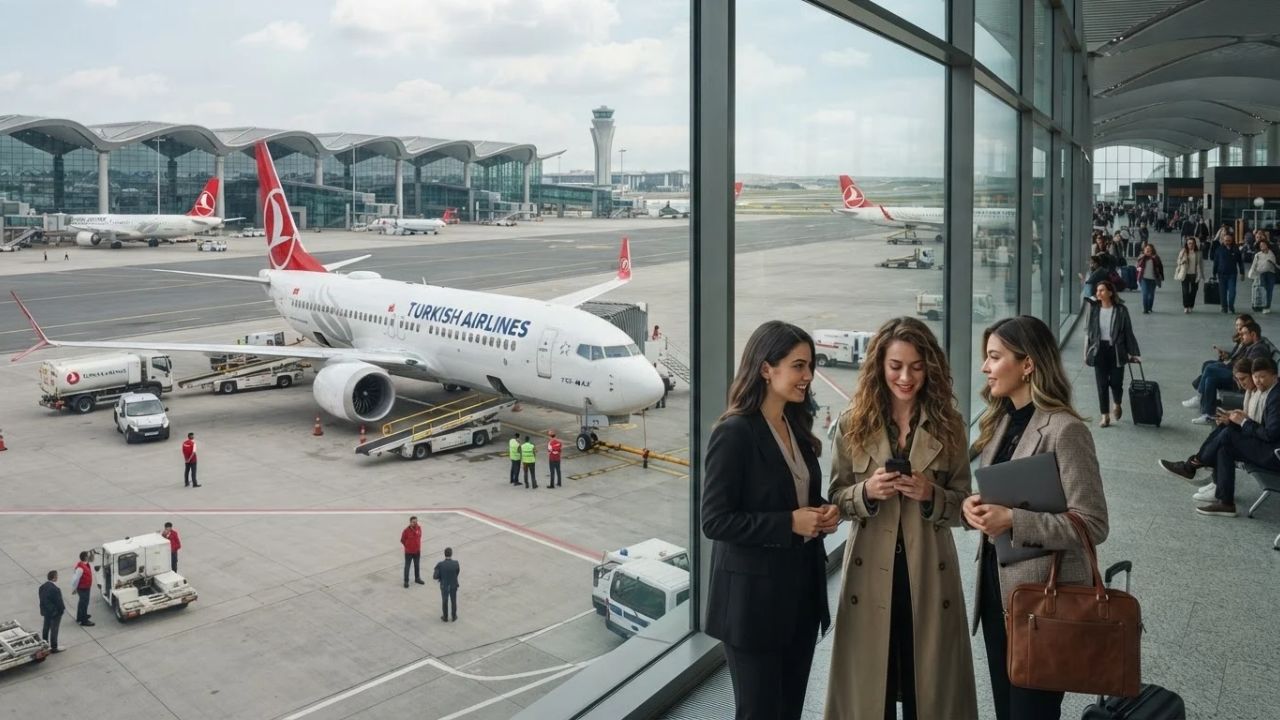
Turkish Airlines balances massive narrow-body fleet ambitions with engine lifecycle maintenance talks at its Istanbul mega-hub
While millions of passengers pass through the soaring vaulted halls of Istanbul Airport each month viewing it as a seamless bridge between continents, few realize that Turkish Airlines is staging an assertive standoff with CFM International that could redefine global fleet economics. As the Turkish flag carrier negotiates a colossal procurement of Boeing 737 MAX passenger jets to expand its global route network, high-level discussions have stalled over the propulsion units beneath the wings. At the center of the dispute sits CFM International—the joint venture uniting American industrial giant GE Aerospace and French aerospace leader Safran—which serves as the exclusive engine supplier for the Boeing 737 MAX family through its LEAP-1B turbofan. Rather than settling for standard aircraft purchase packages, Turkish Airlines is demanding favorable commercial terms regarding long-term servicing, repair capacity, lifecycle costs, and direct integration into CFM's higher-tier maintenance network.
The dispute highlights a major shift in commercial aviation, where the true value of an aircraft deal is no longer measured solely by airframe delivery schedules or ticket volume. Turkish Airlines operates one of the world's largest airline fleets, combining narrow-body and wide-body aircraft from both Boeing and Airbus to link Europe, Asia, Africa, and the Americas through its central base. Securing long-term fleet reliability has become urgent because unexpected engine shortages leave aircraft stranded on the tarmac. Grounded planes quickly turn into financial sinkholes, burning through fixed capital in leasing, crew staffing, and gate fees while losing ticket revenue. By pushing for greater autonomy over advanced maintenance, repair, and overhaul capabilities, the carrier aims to protect its hub from the global supply chain bottlenecks that have plagued carriers worldwide since pandemic-era disruptions.
The Battle for the Sky Above the Bosphorus: Why Turkish Airlines Is Playing Hardball Over CFM Engines
To grasp why Turkish Airlines is refusing to rush its Boeing 737 MAX commitment, one must look at how aircraft economics function over decades of service. Modern narrow-body jets like the Boeing 737 MAX feature advanced aerodynamic profiles and next-generation LEAP-1B engines designed to reduce fuel consumption and emissions on short- and medium-haul routes. However, modern high-bypass turbofans are intricate systems containing thousands of specialized alloy components that require frequent, precise inspections and complex workshop overhauls. Following widespread supply chain shocks, limited shop visit slots, and acute spare parts shortages across the industry, engine maintenance has surfaced as the primary operational vulnerability for expanding carriers.
CFM International has responded to industry-wide frustrations by pledging billions of dollars in capital investments to accelerate shop turnaround times, enhance supplier reliability, and boost spare parts availability. Yet Turkish Airlines wants more than promises; it seeks structured access to proprietary repair technologies and direct participation in CFM's advanced servicing network. Turkey has poured immense capital into creating an independent aerospace maintenance ecosystem surrounding Istanbul Airport (İGA). By expanding domestic maintenance capabilities, the airline intends to service its own fleet while shielding its flight schedules from external delays.
Boeing also faces immense commercial pressure in these negotiations. Securing a massive commitment from Turkish Airlines provides factory stability and cements a partnership that has evolved over several decades. Yet the American planemaker faces fierce rivalry from Airbus and its popular A320neo family. Because Turkish Airlines already operates a mixed fleet of Boeing and Airbus aircraft, its leadership holds significant bargaining power. The carrier can flexibly adjust order ratios, evaluate regional aircraft options, or pivot toward alternative airframes if engine support guarantees fall short. The outcome of these discussions will directly affect Boeing's assembly lines, CFM's customer relationships, and the overall availability of flights connecting through Istanbul.
What Makes Istanbul the World's Ultimate Transit Crossroads
Beyond the boardroom negotiations and technical service contracts lies the geographic reality that makes this fleet expansion so vital: Istanbul remains an unmatched crossroads where world geography meets imperial history. Straddling the deep blue waters of the Bosphorus Strait, the metropolis unites Europe and Asia across three suspension bridges and constant fleets of passenger ferries. When you land at Istanbul Airport, situated along the rolling terrain of Arnavutköy near the Black Sea coast, you enter a mega-hub engineered specifically to funnel global passenger flows into the city or outward to hundreds of international destinations.
For travelers, Turkish Airlines' aggressive network expansion transforms a routine international connection into an extraordinary cultural journey. Through the carrier's official stopover program, passengers with extended layovers can claim complimentary hotel stays in four-star and five-star properties across Sultanahmet and Taksim. Alternatively, travelers with shorter transit windows can take advantage of guided city excursions that transport them from airport gates straight to the UNESCO World Heritage Centre recognized Historic Areas of Istanbul.
Within minutes of reaching the historic peninsula, the high-tech atmosphere of modern aviation gives way to centuries of human civilization. You can walk across the ancient Hippodrome where Roman chariot races once shook the earth, enter the awe-inspiring dome of Hagia Sophia, and wander through the labyrinthine vaulted corridors of the Grand Bazaar. Across the Golden Horn, the Galata Tower stands watch over Karaköy's vibrant dining alleys, while municipal passenger ferries glide past the Maiden's Tower toward the lively markets of Kadıköy on the Asian shore. The city thrives on this constant movement, bridging ancient caravan traditions with contemporary aerospace logistics.
Visitor Insider Tips
Experiencing Istanbul with the confidence of an insider requires stepping away from standard tourist itineraries and embracing the natural rhythms of the metropolis:
- Beating the Historic Peninsula Lines: The historic monuments of Sultanahmet draw heavy crowds between 10:00 and 15:00. Visit the Blue Mosque and the exterior grounds of Hagia Sophia at dawn or during the late afternoon prayer intervals when tour buses disperse. The Grand Bazaar is closed on Sundays and overwhelmed on Saturdays; schedule your shopping visits for Tuesday or Wednesday mornings when stallholders are eager to converse over tea.
- Public Transport Transit Hacks: Avoid expensive airport taxis that encounter severe highway traffic along the O-7 motorway. Instead, step downstairs at Istanbul Airport to board the high-speed M11 metro line, which whisks travelers directly to Kağıthane and Gayrettepe to connect seamlessly with the M2 line toward Taksim and the historic center. Purchase a reloadable Istanbulkart at station kiosks, which grants access to metros, trams, funiculars, and public ferries.
- The Authentic Bosphorus Crossing: Skip aggressive private excursion touts along the Eminönü docks who charge inflated rates for short tourist boat circuits. Instead, tap your Istanbulkart at the municipal Şehir Hatları ferry terminal and board the public commuter ferry to Kadıköy on the Asian side. Stand on the open rear deck with a glass of black tea and a sesame-crusted simit bought from the onboard vendor, watching gulls dive alongside the vessel as the minarets of the Old City recede into the sunset.
- Culinary Etiquette and Neighborhood Delicacies: In traditional lokantas and teahouses, tea is poured into small tulip-shaped glasses; placing your small spoon horizontally across the rim indicates politely that you do not wish for a refill. Head away from Sultanahmet's overpriced tourist cafes and explore the Kadıköy market district for pickled vegetables (turşu), regional cheeses, and freshly grilled seasonal fish wrapped in flatbread with onions and sumac.
- Planning Authentic Stays: Learn about regional cultural routes and seasonal festivals through the official travel portal at Go Türkiye, and choose accommodations in atmospheric neighborhoods like Fener, Balat, or Cihangir rather than generic international airport hotels.
Cultural and Environmental Context
Istanbul's emergence as an aviation powerhouse creates complex interactions with its fragile cultural heritage and delicate maritime environments. The influx of tens of millions of transit travelers and visitors places heavy demands on the historic peninsula. Monuments constructed from ancient limestone and brick face accelerating structural wear, prompting municipal preservation teams to introduce strict visitor routing, timed entry slots, and conservation restorations across sites like the Basilica Cistern and Topkapı Palace. Cultural authorities are working to disperse visitor foot traffic beyond the classic Sultanahmet circuit, encouraging travelers to explore the Byzantine land walls of Theodosius, the Ottoman industrial heritage sites along the Golden Horn, and the coastal villages dotting the upper Bosphorus.
Simultaneously, the environmental health of the Bosphorus Strait remains a top concern. This narrow natural waterway serves as one of the world's most congested maritime transit corridors, handling colossal oil tankers, cargo freighters, and local commuter fleets traveling between the Black Sea and the Mediterranean. Strict navigation protocols and enhanced radar surveillance help prevent maritime accidents and preserve marine biodiversity in waters that have sustained local fishing communities for millennia.
On an economic level, Turkey's insistence on establishing advanced maintenance, repair, and overhaul facilities at Istanbul Airport reflects a strategic goal: fostering domestic technical talent and durable employment. Rather than sending complex engines abroad for routine service, local engineering academies and technical institutes are training thousands of certified aircraft technicians. This domestic technical infrastructure ensures that Istanbul's global connectivity rests on local self-reliance, anchoring modern aerospace innovation firmly within the country's skilled workforce.
FAQ: Connecting and Exploring in Istanbul 2026
How do I travel between Istanbul Airport and the city center?
Board the rapid M11 metro line directly from the airport terminal to Kağıthane or Gayrettepe, then transfer to the M2 metro line to reach Taksim or the historic peninsula quickly without facing highway traffic jams.
Does Turkish Airlines offer free hotels for long transit layovers?
Yes, passengers traveling on international itineraries with connection times of twenty hours or more can qualify for complimentary hotel accommodation under the airline's official stopover program by reserving in advance.
What is the best way to cross from Europe to Asia in Istanbul?
The most scenic and economical method is riding the municipal Şehir Hatları commuter ferry from Eminönü or Karaköy to Kadıköy, offering stunning Bosphorus views for the price of a standard public transit fare.
Is Istanbul safe for solo and independent travelers?
Istanbul is generally welcoming and safe for independent travelers. Standard urban precautions apply: watch belongings in crowded markets, verify taxi meters or stick to metro lines, and decline unsolicited invitations from strangers in nightlife districts.
In Istanbul, every flight tracing an arc across the sky carries forward a centuries-old tradition of bringing the world together where continents meet.
Related Travel Guides
- Bridging the Wadden Sea: How the Esbjerg–Groningen Air Shuttle Unlocks Northern Europe’s Secret Coastal Capitals
- Beyond the Pre-Flight Pint: How London Gatwick’s 3,800-Sqm Dining Overhaul Reinvents British Travel Gastronomy
- Words Across the Dunes: How the Abu Dhabi International Book Fair 2026 Redefines Arab Literary Tourism
Disclaimer
This article is for informational and educational purposes only. It does not constitute legal, financial, or professional advice. While we strive to provide accurate and up-to-date information, travel policies, regulations, and conditions change rapidly. Always verify information with official sources before making travel decisions. Nomad Lawyer makes no representations about the accuracy, reliability, completeness, or suitability of the information provided. Readers should consult qualified professionals for advice specific to their circumstances. The views expressed in this article are those of the author and do not necessarily reflect the views of Nomad Lawyer.
Raushan Kumar
Founder & Lead Developer
Full-stack developer with 11+ years of experience and a passionate traveller. Raushan built Nomad Lawyer from the ground up with a vision to create the best travel and law experience on the web.
Learn more about our team →