
Words Across the Dunes: How the Abu Dhabi International Book Fair 2026 Redefines Arab Literary Tourism
From 13 to 18 September 2026, the Emirates Publishers Association anchors the Abu Dhabi International Book Fair with groundbreaking initiatives in female publishing leadership, AI-driven Arabic reading analytics, and global literary matchmaking.

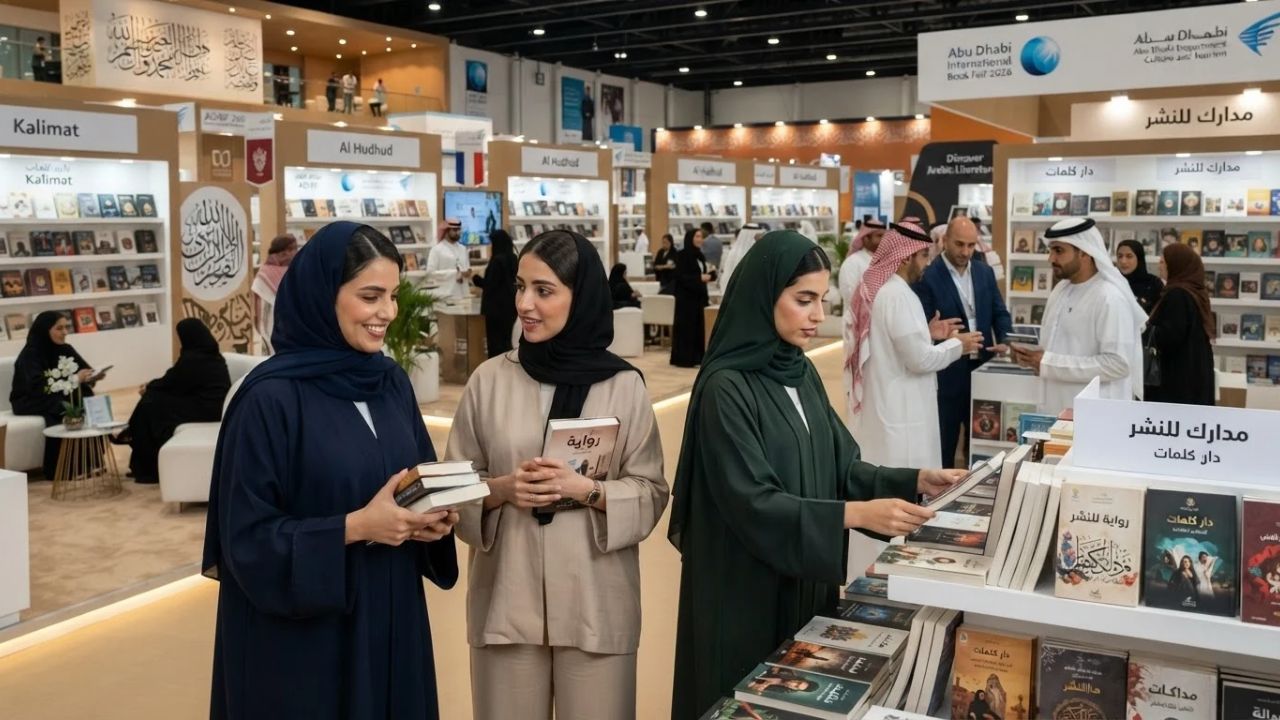
The Abu Dhabi International Book Fair 2026 transforms the UAE capital into a global crossroads for Arabic literature, intellectual salons, and creative publishing
While international travelers routinely view the Arabian Gulf through the lens of futuristic superstructures and coastal resorts, the United Arab Emirates is quietly orchestrating one of the most consequential intellectual and literary revivals in the modern Arab world. From September 13 to 18, 2026, the Emirates Publishers Association (EPA) takes center stage at the Abu Dhabi International Book Fair (ADIBF), deploying an ambitious professional agenda aimed at positioning regional authors, translators, and independent presses onto the global stage. Convening at the Abu Dhabi National Exhibition Centre (ADNEC), the fair bridges centuries-old Bedouin oral traditions and Arabic calligraphy with digital linguistic analytics and female-led publishing networks, illustrating how the nation's cultural evolution is being written, line by line, on the printed page.
For cultural voyagers visiting Abu Dhabi, this gathering offers a rare portal into the living intellectual pulse of the Middle East. Beyond the gleaming glass facades of the capital lies a community deeply committed to the stewardship of the written word. Here, international literary rights brokers rub shoulders with Emirati poets, and cutting-edge software dissects classical Arabic syntax while historic majlis salons discuss the future of world literature over cardamom-scented coffee.
The Sovereign Quill: Inside the Emirates Publishers Association’s 2026 Vision
The professional programming devised by the Emirates Publishers Association (EPA) for the 2026 book fair reflects a strategic shift from passive cultural participation to active global influence. As HE Rashid Al Kous, Executive Director of the Emirates Publishers Association, noted: “The publishing sector is undergoing rapid transformation, reshaping the relationship between publishers, books, readers, and markets. Emirati publishers must therefore move beyond simply responding to change and develop the knowledge, tools, and partnerships that enable them to help shape what comes next. Our participation in the Abu Dhabi International Book Fair reflects this approach. We are focused on turning professional platforms into meaningful opportunities for publishers to exchange expertise, build new relationships, explore markets, and strengthen their businesses.”
The fair opened on the Don Quixote stage with a signature panel discussion presented in partnership with PublisHer, an international organization founded by EPA Founder and Honorary President Her Highness Sheikha Bodour bint Sultan Al Qasimi. Dedicated to empowering female leadership and dismantling professional hurdles across global publishing, PublisHer brought together prominent sector leaders. The panel, titled “Publishing Today: Bridging the Gap Between What Publishers Produce and What Readers Expect,” was moderated by Asma Siddiq Al Mutawa, PublisHer Advisory Board member and Founder and Chairperson of the historic Al Multaqa Literary Salon. Panelists included EPA Board President and Ghaf Publishing Co-founder Ameera BuKadra, alongside EPA member and Dardasha Founder Reem Madkour, the celebrated recipient of the PublisHer x VISA “She’s Next” Grant 2025.
Global connectivity formed the core of the fair’s second day, when the EPA hosted a specialized business matchmaking session connecting Emirati publishers with international counterparts in collaboration with the Nomad Cultural Foundation. The initiative allows homegrown publishers to negotiate international translation rights, establish co-publishing agreements, and study foreign market distributions.
On September 15, the EPA solidified its commitment to regional literacy by signing a formal Memorandum of Understanding with Miqyas Al Dhad. Through an interactive professional workshop, publishers explored Miqyas Al Dhad’s proprietary digital tools—including the “Text Analyzer” and the “Find a Book” platform. These tools analyze Arabic vocabulary, sentence complexity, and grammar, categorizing books according to precise reading levels to ensure children and adult learners receive age-appropriate Arabic literature.
Complementing these industry breakthroughs, HE Rashid Al Kous participated in the “Global Educational Publishing” forum and joined the Ministry of Culture’s panel on “Developing the Creative Ecosystem.” Furthermore, the association took part in the Reading Retreat 2026, a joint initiative organized by the Ministry of Community Empowerment and the Ministry of Culture aimed at assessing national reading habits and sustaining the creative economy.
What Makes Abu Dhabi’s Cultural and Literary Scene Different
To experience Abu Dhabi through its literary culture is to understand a society where oral poetry, Islamic scholarship, and modern intellectualism have always coexisted. Long before modern urban planning, nomadic tribes traversed these deserts guided by celestial constellations and commemorated heroic deeds through Nabati poetry, an unwritten verse form passed down around evening campfires.
Today, that verbal artistry is anchored by monumental cultural institutions. On Saadiyat Island, the Saadiyat Cultural District stands as one of the world's most ambitious concentrations of arts and heritage. Here, Louvre Abu Dhabi—designed by Pritzker Prize-winning architect Jean Nouvel—features an iconic floating geometric dome composed of 7,850 unique metal stars that filter sunlight into a shimmering "rain of light," reminiscent of overlapping date palm fronds in an oasis. The museum’s galleries trace universal human creativity from prehistory to contemporary art, displaying ancient Arabic manuscripts beside European Renaissance canvases.
In the historical center of the city stands Qasr Al Hosn, the oldest permanent stone structure in Abu Dhabi. Dating back to the 1760s, this coral-and-sea-stone watchtower once guarded the only freshwater well on the island for the ruling Bani Yas tribe. Today, it houses the House of Artisans, where master craftswomen preserve ancestral handicrafts recognized by the UNESCO World Heritage Centre, including Al Sadu—the intricate geometric wool weaving practiced by Bedouin women—and fragrant oud blending.
An hour and a half inland lies Al Ain, the garden city and ancestral seat of the Al Nahyan family. Recognized as a UNESCO World Heritage site, Al Ain preserves over 3,000 years of desert settlement through its ancient Falaj subterranean water channels, historic mud-brick forts, and shaded date palm groves that provided respite to traveling poets and scholars across centuries.
Tying this heritage together is the majlis—the traditional gathering space where community members discuss civic affairs, share verse, and foster literary exchange, a tradition kept vibrant today by intellectual institutions like Al Multaqa Literary Salon.
Visitor Insider Tips
Experiencing the literary and cultural dimensions of Abu Dhabi requires localized practical knowledge:
- Navigating the Book Fair at ADNEC: The Abu Dhabi National Exhibition Centre is one of the largest convention venues in the Middle East. Download the official fair app and visit professional panels between 10:00 AM and 1:00 PM for focused discussions. Save your casual browsing for the evenings (between 5:00 PM and 9:00 PM), when the central halls feature live oud recitals, interactive calligraphy demonstrations, and vibrant book signings.
- Majlis and Salon Etiquette: If attending an intellectual gathering or literary salon, observe customary Arab hospitality customs. Accept cups of gahwa (spiced Arabic coffee) and dates using only your right hand. When you have finished drinking, gently shake the small porcelain finjan cup from side to side before handing it back to your host, signaling that you are satisfied.
- Sourcing Rare Arabic and Bilingual Works: Seek out independent Emirati publishing stalls at the book fair, such as Ghaf Publishing and Dardasha. These presses specialize in beautifully illustrated bilingual children’s fables, historic Gulf poetry translations, and local fiction that rarely reach mainstream international book distributors.
- Timing Saadiyat Island Cultural Visits: When pairing your book fair attendance with a visit to Louvre Abu Dhabi on Saadiyat Island, book entry tickets online for late afternoon around 4:30 PM. Stroll through the open-air ocean plazas as the sun sets over the Arabian Gulf, then dine at the museum’s waterfront cafe beneath the illuminated dome.
- Authentic Emirati Flavors in the Historic Quarter: After exploring Qasr Al Hosn, avoid generic hotel restaurants. Visit traditional culinary spots in the surrounding Al Hosn cultural district to sample balaleet (sweet cardamom-saffron vermicelli topped with an omelet) or a rich, slow-simmered lamb machboos seasoned with turmeric, cinnamon, and sun-dried black limes (loomi).
Cultural and Environmental Context
The initiatives spearheaded by the Emirates Publishers Association carry profound cultural and ecological significance. In an interconnected world where global media is overwhelmingly dominated by English-language content, preserving the vitality and accessibility of the Arabic language—often called Lughat al-Dhad, the language of the Dhad, for its unique phoneme—is essential to safeguarding Arab cultural identity, an effort supported by Experience Abu Dhabi.
Tools developed through partnerships like Miqyas Al Dhad ensure that modern educational curricula do not abandon classical Arabic, while fostering a love for reading among younger generations in their native tongue. Simultaneously, organizations like PublisHer ensure that the creative economy reflects gender equity, providing critical grant funding and mentoring for female authors and creative entrepreneurs across the Global South.
Environmental sustainability is equally interwoven into Abu Dhabi’s cultural vision. At the historic oases of Al Ain and modern cultural sites alike, sustainable water management and low-energy architectural design reflect a deep commitment to preserving desert ecosystems. By supporting independent publishers and sustainable cultural tourism, Abu Dhabi demonstrates that a modern society can build an innovative knowledge-based economy without losing touch with its ancestral soil and historic voice.
FAQ: Attending the Abu Dhabi International Book Fair 2026
When and where is the Abu Dhabi International Book Fair 2026 held? The fair takes place from September 13 to 18, 2026, hosted at the Abu Dhabi National Exhibition Centre (ADNEC) in the UAE capital.
Is the book fair open to international travelers and the general public? Yes. The fair welcomes book lovers, students, and tourists free of charge, featuring multilingual panels, book signings, cultural exhibitions, and culinary pop-ups.
What is the purpose of the agreement between the EPA and Miqyas Al Dhad? The partnership introduces digital diagnostic tools like the "Text Analyzer" to classify Arabic books by reading level, supporting targeted content development and literacy education.
What visa rules apply for tourists visiting Abu Dhabi? Citizens of over seventy nations, including the US, Canada, the UK, Australia, and EU countries, receive a complimentary thirty-day or ninety-day tourist visa-on-arrival at Abu Dhabi International Airport.
When the wisdom of the desert meets the quiet power of the printed word, the story of Arabia unfolds with timeless grace across the page.
Related Travel Guides
- The 17-Hour Transpacific Leap: What American Airlines’ Potential LAX–Singapore Route Means for Pacific Rim Voyagers
- Wings of the Amber Coast: How airBaltic’s Restructuring Backing Secures Seamless Travel to Riga and Beyond
- Wings Over the Mediterranean: What El Al’s Paris–Tel Aviv Go-Around Reveals About Aviation Safety and Coastal Arrival
Disclaimer
This article is for informational and educational purposes only. It does not constitute legal, financial, or professional advice. While we strive to provide accurate and up-to-date information, travel policies, regulations, and conditions change rapidly. Always verify information with official sources before making travel decisions. Nomad Lawyer makes no representations about the accuracy, reliability, completeness, or suitability of the information provided. Readers should consult qualified professionals for advice specific to their circumstances. The views expressed in this article are those of the author and do not necessarily reflect the views of Nomad Lawyer.
Raushan Kumar
Founder & Lead Developer
Full-stack developer with 11+ years of experience and a passionate traveller. Raushan built Nomad Lawyer from the ground up with a vision to create the best travel and law experience on the web.
Learn more about our team →