
TSA's $781 Million Technology Overhaul Quietly Transforms Airport Security Procedures for Millions of U.S. Travelers
Breaking airline news and aviation industry updates for 2026.

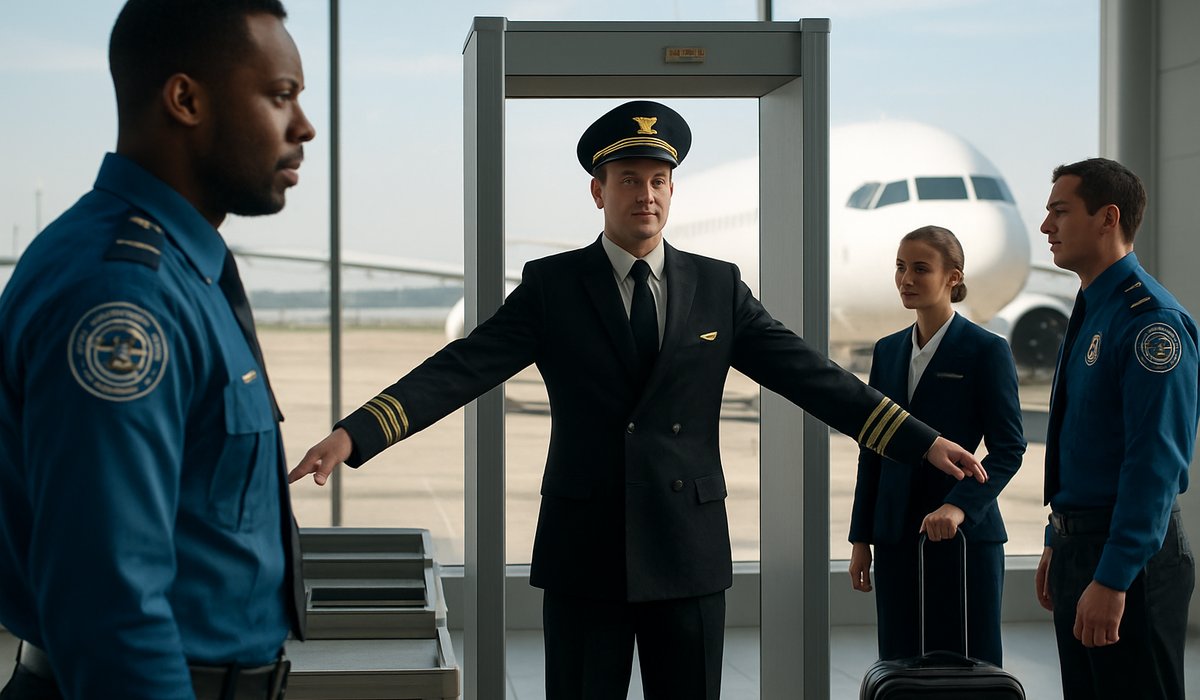
Image generated by AI
TSA's $781 Million Technology Overhaul Quietly Transforms Airport Security Procedures for Millions of U.S. Travelers
A sweeping modernization of screening equipment is reshaping checkpoint protocols, but most passengers remain unaware of the changes
Security Checkpoints Undergo Unprecedented Technological Shift
The Transportation Security Administration is executing a massive infrastructure modernization program worth $781 million, fundamentally altering standard procedures at U.S. airport security checkpoints. The initiative introduces advanced scanning technology that streamlines passenger screening while potentially redefining the familiar rituals travelers have observed for two decades since the post-9/11 security framework was established.
The deployment represents one of the most significant operational changes to affect the traveling public in recent years, yet many passengers continue moving through checkpoints without fully understanding how their experience has been reconfigured. These technological upgrades are now operational at major aviation hubs across the country, quietly reshaping three core security procedures that travelers execute almost automatically.
Three Critical Changes Reshaping the Checkpoint Experience
The TSA's investment focuses on deploying next-generation scanning equipment designed to enhance detection capabilities while accelerating passenger flow during peak travel periods. The modernized systems reduce bottlenecks that have historically plagued airports during summer travel surges and holiday seasons—periods when aviation demand places extraordinary pressure on security infrastructure.
The technology upgrades specifically address passenger screening protocols that have remained largely unchanged for years. Enhanced imaging systems now provide security officers with superior threat-detection capabilities, potentially requiring modifications to how travelers prepare themselves and their carry-on luggage for inspection.
Industry-Wide Implications for Air Travel
This technological modernization coincides with broader trends reshaping the aviation industry. As airlines continue adjusting baggage policies and fuel surcharges remain volatile—reflecting ongoing geopolitical tensions and petroleum market fluctuations—passengers face an increasingly complex travel environment. The TSA's infrastructure investment represents a coordinated effort to improve the passenger experience on the security side of the equation, even as carriers impose additional fees for checked bags and premium seating.
The deployment of advanced detection systems demonstrates the federal government's commitment to balancing security effectiveness with operational efficiency. For the aviation industry, improved checkpoint throughput potentially reduces delays that cascade across flight schedules, benefiting both carriers and travelers navigating crowded terminals.
As these changes continue rolling out nationwide, awareness of checkpoint modifications will likely increase. The TSA's modernization initiative signals a fundamental shift in how American airports approach security screening during an era when travel volumes continue climbing and passenger expectations for seamless experiences intensify.
FAQ: TSA Technology Changes and Airport Security
How will the new TSA scanning technology affect my security checkpoint experience? The upgraded systems streamline screening procedures and may modify protocols regarding what passengers must remove before proceeding through scanners, though TSA guidelines remain subject to official announcements.
When will these changes be fully implemented across all U.S. airports? The $781 million rollout is occurring in phases, with major airports receiving equipment first, followed by regional aviation hubs over subsequent years.
Do I need to prepare differently for security checkpoints now? While changes are gradual, travelers should monitor TSA communications for updates on checkpoint procedures, as some traditional requirements may be modified.
How does this investment impact flight delays and airport congestion? Advanced screening technology is designed to accelerate checkpoint processing, potentially reducing the delays that cascade through flight schedules during peak travel periods.
What's driving this massive TSA modernization initiative? The upgrade addresses capacity constraints, enhances threat detection, and reflects broader aviation industry demands for operational efficiency as travel volumes increase post-pandemic.
Related Travel Guides
External Resources
Disclaimer
This article is for informational and educational purposes only. It does not constitute legal, financial, or professional advice. While we strive to provide accurate and up-to-date information, travel policies, regulations, and conditions change rapidly. Always verify information with official sources before making travel decisions. Nomad Lawyer makes no representations about the accuracy, reliability, completeness, or suitability of the information provided. Readers should consult qualified professionals for advice specific to their circumstances. The views expressed in this article are those of the author and do not necessarily reflect the views of Nomad Lawyer.
Kunal K Choudhary
Co-Founder & Contributor
A passionate traveller and tech enthusiast. Kunal contributes to the vision and growth of Nomad Lawyer, bringing fresh perspectives and driving the community forward.
Learn more about our team →