
Türkiye Joins Spain and More as Europe Winter Travel Booms with Sun Snow and Crowd Free Escapes
Türkiye Joins Spain and More as Europe Winter Travel Booms with Sun Snow and Crowd Free Escapes

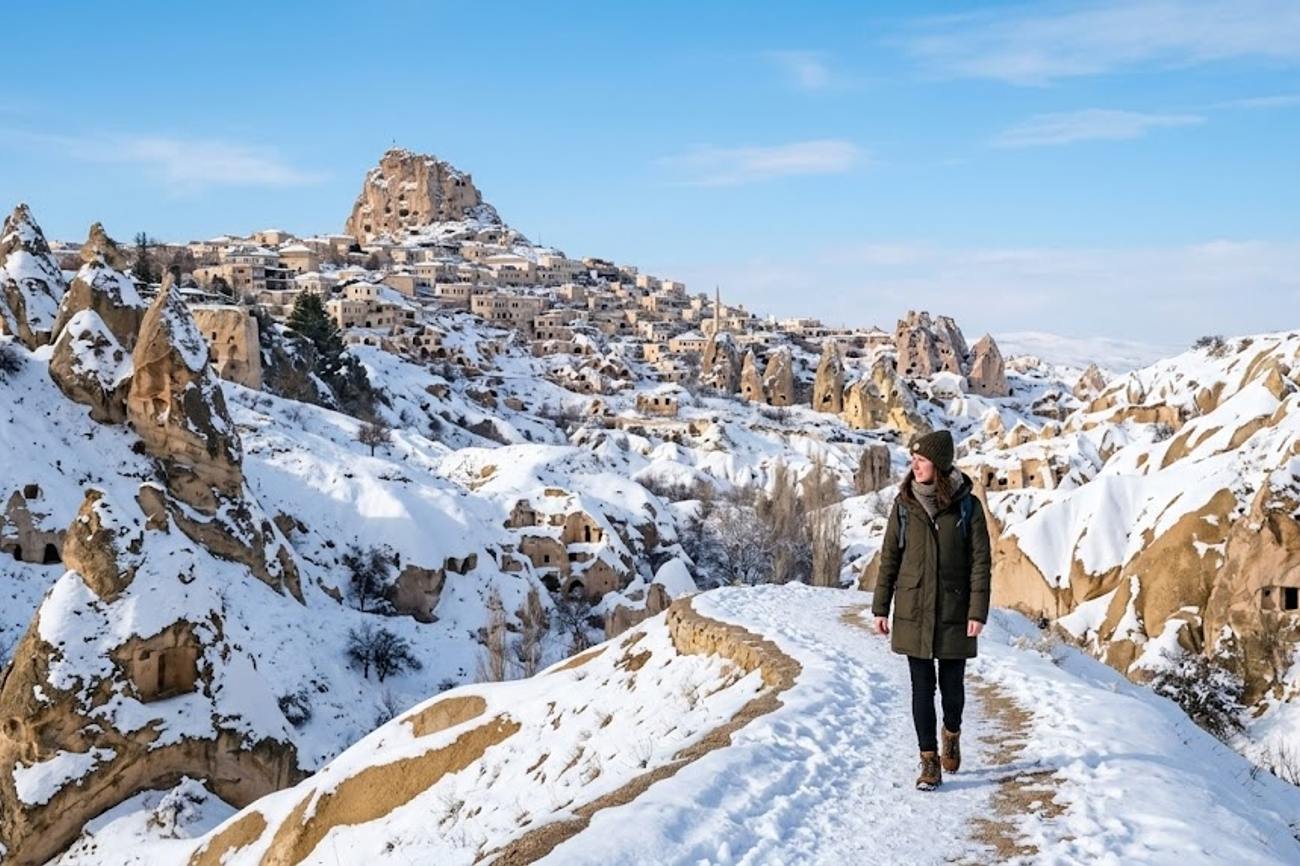
Image generated by AI
[Istanbul, October 2026] — Türkiye has officially integrated its cultural heritage sites into a broader European winter tourism offensive, joining Spain and Portugal in a strategic push to decouple continental travel from the traditional summer peak. The move signals a shift toward a year-round tourism economy, leveraging "crowd-free" escapes that prioritize heritage, underground archaeology, and winter-sun leisure over seasonal beach tourism.
The expansion focuses on high-yield destinations including Cappadocia in Türkiye, the Canary and Balearic Islands in Spain, and the Alentejo and Madeira regions of Portugal. By diversifying the "winter product," these nations are targeting travelers seeking to avoid the congestion of July and August while sustaining national tourism revenues through the first quarter of the year.
The Shift Toward Year-Round Tourism
The immediate trigger for this expansion is a documented rise in winter travel demand and a strategic effort by European ministries to stabilize tourism income. Rather than treating the winter months as a dormant gap between summer seasons, countries are now marketing specific "winter-proof" assets.
In Türkiye, this is centered on the Cappadocia region, where the Ministry of Culture and Tourism is promoting the Göreme Open-Air Museum and a network of underground cities. Because these sites are largely subterranean or rock-cut, they provide a weather-resistant alternative to traditional outdoor sightseeing. Similarly, Spain is leveraging the unique microclimates of the Canary Islands to maintain high occupancy rates during the European winter.
Markets and Destinations Impacted
The winter 2026 travel corridor is divided into four primary pillars: cultural heritage, winter sun, rural escapes, and outdoor adventure.
| Country | Primary Winter Focus | Key Destination(s) | Performance Indicator |
|---|---|---|---|
| Türkiye | Heritage & Landscapes | Cappadocia | Q1 2026 revenue rose 4.2% |
| Spain | Island & Leisure | Fuerteventura / Canary Islands | 1.65m arrivals (Dec 2025) |
| UK | Mountains & Outdoors | Eryri (Snowdonia), Wales | 7.76m domestic trips (2025) |
| Portugal | Nature & Rural | Madeira / Alentejo | 18.5m guests (Jan–Jul 2026) |
Regional Breakdown:
- Türkiye: The focus is on Nevşehir province. Key attractions include the Göreme Open-Air Museum, Zelve-Paşabağları, and the underground cities of Derinkuyu, Kaymaklı, and Özkonak.
- Spain: The Canary Islands remain the dominant force. In December 2025, the archipelago saw 1.65 million arrivals, with Fuerteventura capturing 14% of that total.
- Portugal: The strategy splits between the island tourism of Madeira and the rural, mainland appeal of Alentejo.
- United Kingdom: Wales is positioning Eryri (Snowdonia) as a hub for short-break outdoor adventure and mountain tourism.
What This Means for Travelers
For the modern nomad or vacationer, this shift translates to a fundamental change in how and when to book European travel.
1. Price and Crowd Mitigation Travelers booking for the winter window can expect significantly lower crowds at UNESCO World Heritage sites. In Cappadocia, the Göreme Open-Air Museum—a rock settlement dating from the fourth to thirteenth centuries—remains open daily, allowing visitors to explore monastic churches and chapels without the summer queues.
2. Diversified Itineraries The "winter sun" is no longer limited to the Caribbean. With the Canary Islands recording 1.5 million tourists in July 2026 (a 2.7% increase), the infrastructure is now scaled to handle massive volumes year-round. Travelers can now realistically plan a beach holiday in Fuerteventura in December or a cultural expedition in Türkiye in February.
3. Weather-Resistant Planning The promotion of "underground heritage" means itineraries are less susceptible to cancellation due to weather. By combining outdoor landscapes with the subterranean cities of Derinkuyu and Kaymaklı, travelers have built-in contingencies for rainy or cold days.
Economic Trajectory and 2026 Projections
The financial data suggests that winter travel is no longer a niche market but a primary economic driver. Türkiye's tourism sector entered 2026 with significant momentum, reporting first-quarter tourism revenue of US$9.896 billion. This represents a 4.2% year-on-year increase, proving that high-spending visitors are active during the traditional off-season.
Further data from the Canary Islands Statistics Institute highlights the resilience of the Spanish market. In August 2026, hotels and non-hotel establishments across the archipelago generated 9.6 million overnight stays, with 80% of those stays attributed to foreign tourists. This indicates a deep reliance on international markets—particularly the UK—to sustain the economy outside of the mainland summer peak.
In the UK, the trend is more domestic. Wales recorded 7.76 million domestic overnight trips in 2025, suggesting that "staycations" in rugged landscapes like Eryri are becoming a permanent fixture of the winter travel calendar.
FAQ: Europe Winter Travel 2026
Is Cappadocia accessible during the winter months? Yes. The region's primary attractions, including the Göreme Open-Air Museum and various underground cities, remain open. The UNESCO World Heritage sites in the area provide a mix of outdoor scenery and protected indoor environments.
Which Spanish destination is best for winter sun? The Canary Islands, and specifically Fuerteventura, are the primary recommendations. These islands maintain a climate conducive to leisure tourism throughout December and January, as evidenced by the 1.65 million arrivals recorded in December 2025.
What is the average spend for a winter visitor in Türkiye? According to official 2026 indicators, the average nightly spending by overnight visitors in Türkiye is approximately US$102.
Are the underground cities in Türkiye open in winter? Yes, sites such as Derinkuyu, Kaymaklı, and Özkonak are featured in the 2026 tourism schedule and are recommended as weather-resistant alternatives to outdoor sightseeing.
The era of the "off-season" is ending as Europe transforms into a 365-day destination.
#Cappadocia2026 #CanaryIslandsTourism #FuerteventuraWinter #TurkeyTourismRevenue #EryriWales #MadeiraTravel2026
Related Travel Guides
- Saudi Arabia Outpaces UAE And More GCC Countries In Powering Bahrain Tourism Economy With Over 14% Growth Through Rising Arrivals And Demand
- Vietnam’s Phu Quoc Builds A New Tourism Future As Massive Projects Prepare For APEC 2027
- China’s Baoshan Leads Rural Tourism Growth In Yunnan As Heritage And Ecology Create New Visitor Experiences
Disclaimer
This article is for informational and educational purposes only. It does not constitute legal, financial, or professional advice. While we strive to provide accurate and up-to-date information, travel policies, regulations, and conditions change rapidly. Always verify information with official sources before making travel decisions. Nomad Lawyer makes no representations about the accuracy, reliability, completeness, or suitability of the information provided. Readers should consult qualified professionals for advice specific to their circumstances. The views expressed in this article are those of the author and do not necessarily reflect the views of Nomad Lawyer.
Preeti Gunjan
Contributor & Community Manager
A passionate traveller and community builder. Preeti helps grow the Nomad Lawyer community, fostering engagement and bringing the reader experience to life.
Learn more about our team →