
Tourism Diplomacy Gains Momentum at WTTC Leadership Cruise Honoring Dr. Taleb Rifai
Tourism leaders aboard Crystal Serenity celebrated Dr. Taleb Rifai's transformation of global travel into a force for peace and cultural diplomacy in 2026, reinforcing tourism diplomacy as a pillar of international cooperation.

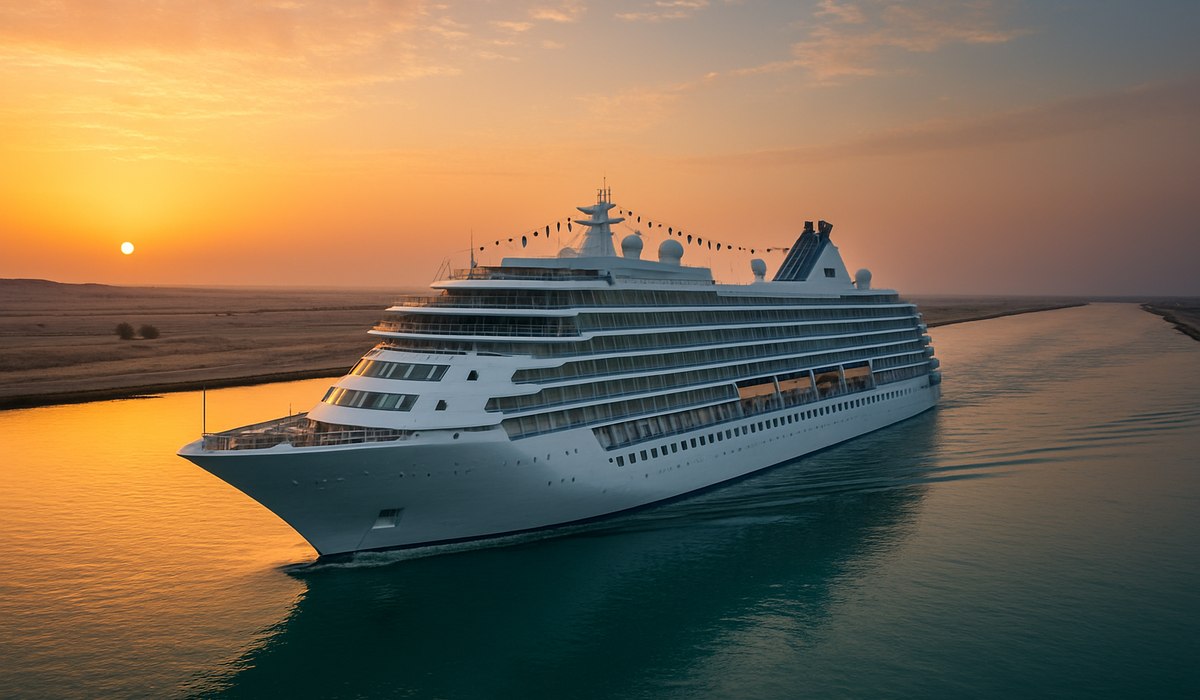
Image generated by AI
Global Tourism Leaders Converge Aboard Crystal Serenity for Historic Tribute to Dr. Taleb Rifai
Crystal Serenity played host to an unprecedented gathering of tourism executives and world leaders as the WTTC Leadership Cruise traversed the Suez Canal in May 2026. The voyage celebrated Dr. Taleb Rifai's transformative vision for reimagining tourism diplomacy as a force for international peace and cultural understanding. Aboard this luxury expedition, industry pioneers discussed how sustainable tourism practices continue reshaping global travel while strengthening diplomatic ties across continents and regions.
A Visionary's Impact: Taleb Rifai's Role in Shaping Global Tourism
Dr. Taleb Rifai redefined tourism's purpose during his tenure leading the United Nations World Tourism Organization. His pioneering work elevated travel beyond commerce, positioning it as a catalyst for cross-cultural dialogue and humanitarian progress. Rifai championed the concept that meaningful tourism experiences foster deeper connections between nations, breaking down cultural barriers and promoting peace through genuine human interaction.
The legacy extends across three dimensions: sustainable development that protects destination communities, economic empowerment through responsible travel investment, and social cohesion strengthened by authentic cultural exchanges. Tourism leaders aboard the WTTC cruise acknowledged how Rifai's framework transformed industry standards, encouraging operators worldwide to align business objectives with humanitarian outcomes. His influence continues shaping policy conversations at global summits and boardroom discussions where tourism sustainability intersects with international cooperation.
The WTTC Leadership Cruise: Honoring Tourism Diplomacy at Sea
The World Travel and Tourism Council selected Crystal Serenity for this distinctive voyage, blending luxury hospitality with substantive dialogue about the future of tourism diplomacy. The ship's elegant design and comprehensive facilities provided the ideal setting for high-level networking sessions, keynote presentations, and collaborative workshops. Attendees from government tourism boards, major cruise operators, hotel conglomerates, and nonprofit development organizations engaged in candid conversations about industry transformation.
This floating conference demonstrated how cruise travel itself embodies the principles Rifai championed: bringing diverse populations together in intimate settings where cultural exchange flourishes naturally. Passengers traversed one of the world's most historically significant waterways, the Suez Canal, serving as a powerful metaphor for international connectivity and passage between different regions. The voyage reinforced cruise vacationing as a platform for building bridges between nations and fostering lasting diplomatic relationships.
From UNWTO to International Cooperation: Building Peace Through Travel
Under Dr. Taleb Rifai's leadership, the UNWTO became a champion of travel's diplomatic potential during transformative global challenges. His tenure established frameworks demonstrating how tourism sectors could simultaneously generate economic value and promote peaceful international relations. The organization articulated tourism's role in achieving United Nations Sustainable Development Goals while maintaining industry profitability and growth trajectories.
The WTTC Leadership Cruise voyage reflected this balanced approach, showcasing how profit-driven enterprises align with peace-building initiatives. Speakers highlighted successful case studies where tourism investment in conflict-affected regions facilitated reconciliation, economic participation, and social stability. The conversation extended to examining how cruise itineraries passing through geopolitically sensitive areas—such as the Suez Canal route—create opportunities for dialogue and economic interdependence that reduce global tensions and strengthen mutual understanding across borders.
Sustainable Tourism and Cultural Understanding as Pillars of Modern Travel Industry
Contemporary cruise operators increasingly integrate sustainability metrics into operational frameworks, reflecting industry evolution that Rifai championed. Sustainable tourism requires balancing passenger satisfaction with environmental stewardship, local economic benefit, and cultural preservation. The WTTC Leadership Cruise attendees discussed implementation strategies for carbon reduction, waste management, and community engagement protocols aboard modern vessels.
Tourism diplomacy manifests practically through destination partnerships where cruise lines collaborate with local governments and cultural institutions. These collaborations ensure visitor spending circulates through community economies while authentic experiences replace superficial sightseeing. Educational programs aboard Crystal Serenity featured regional historians, environmental scientists, and cultural ambassadors discussing how modern travelers increasingly prioritize meaningful engagement over passive consumption.
The Suez Canal passage itself illustrates tourism's diplomatic dimensions. This critical maritime corridor requires cooperation between Egypt and international shipping operators, demonstrating how travel infrastructure depends on sustained international collaboration. Passengers recognized that their journey—made possible through centuries of diplomatic negotiation—embodied the interconnected global system that thoughtful tourism strengthens and protects.
Cruise Itinerary at a Glance
| Port | Location | Region | Day | Key Features |
|---|---|---|---|---|
| Departure | Port Said, Egypt | Mediterranean | Day 1 | Suez Canal entry point |
| Transit Zone | Suez Canal | Egypt | Days 2-3 | Historic waterway navigation |
| Port Tawfik | Suez, Egypt | Red Sea | Day 4 | Canal transit completion |
| Aqaba | Jordan | Red Sea | Day 5 | Beach resort destination |
| Eilat | Israel | Red Sea | Day 6 | Diving and water sports hub |
| Jeddah | Saudi Arabia | Red Sea | Day 7 | Trading port and cultural center |
| Aqaba Return | Jordan | Red Sea | Day 8 | Second port call for exploration |
| Transit Return | Suez Canal | Egypt | Days 9-10 | Northbound canal passage |
| Port Said Return | Egypt | Mediterranean | Day 11 | Voyage conclusion |
What This Means for Travelers in 2026
The WTTC Leadership Cruise affirms that cruise vacationing increasingly carries purpose beyond relaxation. Passengers seeking meaningful travel experiences should examine itineraries emphasizing cultural exchange and sustainable practices. Review operator sustainability certifications and community partnership initiatives before booking, ensuring your cruise investment supports responsible tourism development.
Cruise lines participating in WTTC initiatives frequently offer enhanced educational programming, expert speakers, and destination partnerships reflecting tourism diplomacy principles. Request detailed information about onboard sustainability measures, local shore excursion partnerships, and cultural engagement opportunities. Consider longer itineraries through historically significant passages like the Suez Canal, where geography itself teaches geopolitical and economic interdependencies. Evaluate cabin and dining experiences supporting local suppliers and artisans. Finally, engage with fellow passengers in formal networking sessions and informal conversations, embodying the cross-cultural dialogue that transforms travel into genuine diplomatic exchange.
Frequently Asked Questions
What is tourism diplomacy and why does it matter?
Tourism diplomacy leverages travel's capacity to build international relationships and foster peace between nations. It matters because sustained cross-cultural understanding reduces conflict, strengthens economic partnerships, and creates shared interests transcending political boundaries. When tourists meaningfully engage with host communities, mutual respect develops naturally.
How did Dr. Taleb Rifai influence modern tourism practices?
Dr. Rifai established frameworks linking tourism development with humanitarian outcomes and peace-building. His UNWTO leadership elevated industry standards regarding sustainability, local community benefit, and cultural preservation. Contemporary cruise operators and hospitality providers continue implementing policies originating from his visionary approach to responsible tourism.
What sustainable practices should cruise travelers expect in 2026?
Modern cruise ships employ advanced waste management systems, reduce bunker fuel consumption, partner with certified sustainable shore destinations, and implement crew education programs. Operators publish annual sustainability reports detailing environmental metrics, community investments, and cultural preservation initiatives. Passengers should verify operator commitment through third-party certifications and published sustainability goals.
Why is the Suez Canal route significant for tourism diplomacy?
The Suez Canal represents one of world commerce's most critical junctures, requiring sustained international cooperation and peaceful passage. Cruise itineraries transiting the canal demonstrate how tourism infrastructure depends on diplomatic
Disclaimer
This article is for informational and educational purposes only. It does not constitute legal, financial, or professional advice. While we strive to provide accurate and up-to-date information, travel policies, regulations, and conditions change rapidly. Always verify information with official sources before making travel decisions. Nomad Lawyer makes no representations about the accuracy, reliability, completeness, or suitability of the information provided. Readers should consult qualified professionals for advice specific to their circumstances. The views expressed in this article are those of the author and do not necessarily reflect the views of Nomad Lawyer.
Preeti Gunjan
Contributor & Community Manager
A passionate traveller and community builder. Preeti helps grow the Nomad Lawyer community, fostering engagement and bringing the reader experience to life.
Learn more about our team →