
Top 10 US Adventure Tourism States 2026: Wyoming and Alaska Lead National Outdoor Index
Wyoming and Alaska dominate the 2026 American Adventure Index, leveraging vast national parks and extreme terrains to drive a surge in high-impact outdoor tourism.

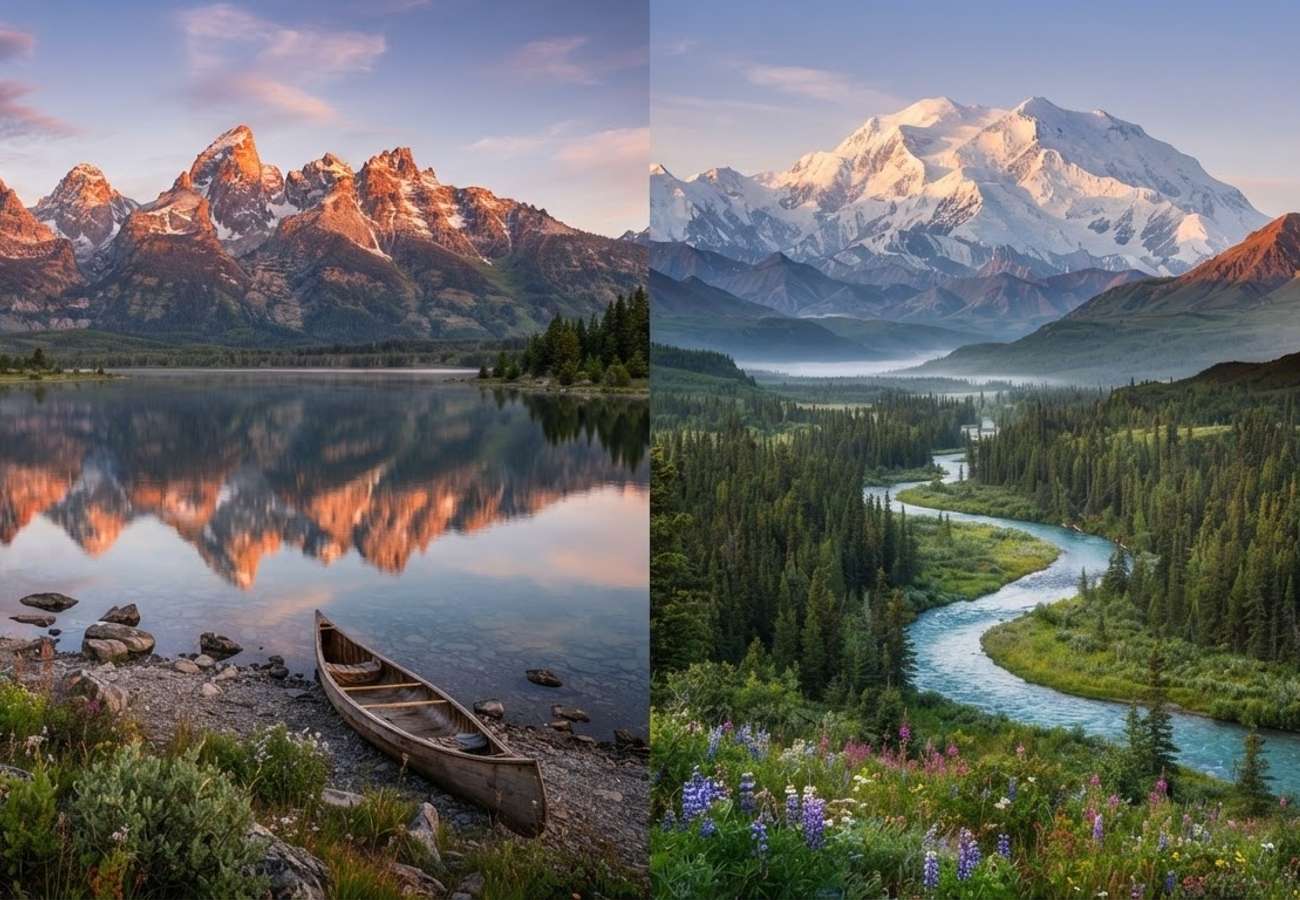
Image generated by AI
The National Park Service recorded over 323 million recreation visits in 2025, signaling a massive shift toward high-intensity outdoor travel. Ten US states are now redefining the adventure sector, moving beyond simple sightseeing to offer extreme terrain and immersive wilderness experiences.
The American travel market is witnessing a pivot toward "extreme accessibility." No longer a niche for professional explorers, adventure tourism has integrated into the mainstream travel story. From the geothermal basins of the West to the rugged Atlantic coast of the Northeast, a new network of adventure hubs is competing for global attention. Brand USA is accelerating this trend in 2026 by promoting 50 curated outdoor experiences that emphasize diversity in terrain—ranging from remote islands to cliffside treks.
2026 American Adventure Index: Performance Rankings
The following data outlines the top-performing states based on their 2026 Adventure Score, reflecting their infrastructure, terrain diversity, and visitor capacity.
| Rank | State | 2026 Adventure Score | Primary Adventure Strengths |
|---|---|---|---|
| 1 | Wyoming | 9.45/10 | Hiking, mountain biking, skiing, camping, horseback riding |
| 2 | Alaska | 9.20/10 | Glacier expeditions, mountaineering, kayaking, wildlife |
| 3 | Montana | 8.85/10 | Mountain biking, horseback riding, skiing, camping |
| 4 | Utah | 8.78/10 | Rock climbing, rafting, mountain biking, hiking |
| 5 | Maine | 8.25/10 | Coastal kayaking, cycling, hiking, island exploration |
| 6 | Colorado | 8.23/10 | Mountaineering, skiing, climbing, mountain biking |
| 7 | New Mexico | 7.63/10 | Desert exploration, mountain recreation, camping |
| 8 | Washington | 7.35/10 | Forest trekking, coastline exploration, national parks |
| 9 | Oregon | 7.10/10 | Rafting, skiing, mountain biking, outdoor exploration |
| 10 | Arizona | 6.63/10 | Backpacking, rafting, Grand Canyon exploration |
The Powerhouses of the West: Wyoming, Alaska, and Montana
Wyoming currently holds the crown with a score of 9.45. The state's dominance is anchored by Yellowstone, which saw 4,762,988 recreation visits in 2025. For the visitor, the appeal is the sheer scale of the environment—a transition from geothermal activity to the jagged peaks of the Grand Tetons.
Alaska follows closely (9.20), positioning itself as the destination for "expedition-style" travel. With eight national parks contributing to its score, Alaska focuses on raw wilderness. The shift here is toward low-impact, high-reward activities like glacier kayaking and mountaineering, where the emotional draw is the sense of total isolation.
Montana (8.85) has emerged as a strategic alternative for those seeking mountain biking and equestrian trails. Glacier National Park remains its primary engine, recording 3,136,557 visits in 2025. A key highlight for 2026 is the Going-to-the-Sun Road, a 50-mile route crossing the Continental Divide that serves as a benchmark for scenic adventure.
Red Rocks and Rugged Coasts: Utah and Maine
Utah (8.78) has successfully packaged its "Mighty 5" national parks into a cohesive road-trip circuit. Zion National Park is a primary driver, recording 4,984,525 visits in 2025, making it the second-most visited park in the US. The focus in Utah is the intersection of adrenaline and aesthetics, particularly in Moab, where rock climbing and rafting are central to the economy.
In a surprising trend, Maine (8.25) is proving that adventure tourism isn't exclusive to the West. By leveraging Acadia National Park—which saw 4,079,318 visits in 2025—Maine is attracting travelers who prefer a mix of coastal kayaking and forest trekking. This "accessible ruggedness" allows visitors to experience extreme Atlantic landscapes without the logistical hurdles of the deep wilderness.
Cultural and Environmental Value
The rise of these adventure hubs is driving a renewed focus on regional heritage and conservation. By directing traffic toward a broader array of states—such as New Mexico (7.63) and Arizona (6.63)—the tourism industry is reducing the pressure on a few over-visited landmarks.
For the traveler, the real impact is a move toward "Slow Adventure." Instead of checking off a list of landmarks, there is a growing trend of spending extended periods in one ecosystem, supporting local guiding services and eco-lodges. This shift supports regional economies by distributing tourism dollars into smaller, rural communities that provide the essential infrastructure for these outdoor pursuits.
Visitor Insider Tips
- The "Shoulder Season" Strategy: To avoid the crowds seen in the 2025 data, visit Utah’s red rocks in late October or Alaska’s glaciers in late August. You will find shorter lines for permits and cooler temperatures for hiking.
- Permit Preparedness: Many of the top-ranked states now require advanced reservations for backcountry camping and specific trails (especially in Zion and Glacier). Check official National Park Service (NPS) portals three months in advance.
- Local Etiquette: Practice "Leave No Trace" principles rigorously. In states like Wyoming and Montana, wildlife encounters are common; always maintain the federally mandated distance from bears and wolves.
- Hidden Gem: While everyone flocks to the Grand Canyon in Arizona, explore the Sedona backcountry for world-class hiking with fewer crowds.
Tourism Outlook
The trajectory for 2026 and beyond suggests that adventure tourism will continue to evolve from "activity-based" to "experience-based." The integration of diverse terrains—from Colorado’s skiing to Washington’s coastlines—ensures that the US remains a competitive global powerhouse. As sustainability becomes a primary driver, expect to see more states implementing strict visitor caps and "green" transit options within their national parks to preserve the very landscapes that drive their adventure scores.
The frontier is no longer a place, but an experience.
Related Travel Guides
Disclaimer
This article is for informational and educational purposes only. It does not constitute legal, financial, or professional advice. While we strive to provide accurate and up-to-date information, travel policies, regulations, and conditions change rapidly. Always verify information with official sources before making travel decisions. Nomad Lawyer makes no representations about the accuracy, reliability, completeness, or suitability of the information provided. Readers should consult qualified professionals for advice specific to their circumstances. The views expressed in this article are those of the author and do not necessarily reflect the views of Nomad Lawyer.
Kunal K Choudhary
Co-Founder & Contributor
A passionate traveller and tech enthusiast. Kunal contributes to the vision and growth of Nomad Lawyer, bringing fresh perspectives and driving the community forward.
Learn more about our team →