
Tokyo Shinjuku Ward to Ban 2000 Minpaku Short-Term Rentals in Residential Zones Following 40 Percent Complaint Surge in 2026
Shinjuku Ward in Tokyo prepares to ban roughly 2,000 short-term vacation rentals in residential and school zones after local complaints rose 40 percent.

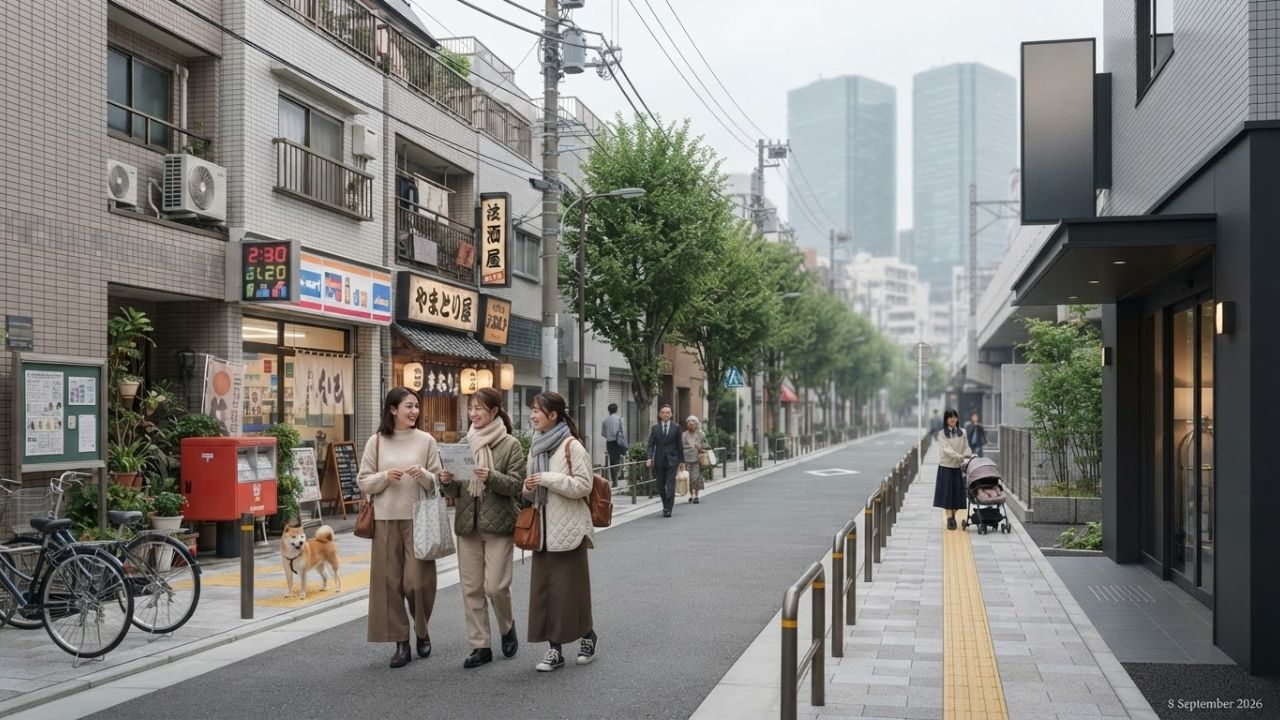
Image generated by AI
Municipal authorities in Tokyo’s Shinjuku Ward are advancing strict legislative amendments to ban private short-term lodgings across residential and educational zones, forcing an estimated 2,000 properties to close. According to data from the Japan Tourism Agency (JTA), Shinjuku hosted 3,775 registered private rental listings as of July 15. However, a 40 percent surge in resident complaints regarding late-night noise, trash violations, and unauthorized trespassing has prompted a major regulatory crackdown across Japan's busiest urban district.
Shinjuku Ward Targets Residential Short-Term Rentals Following Complaint Surge
Shinjuku Ward hosts the highest concentration of short-term private rentals—known locally as Minpaku—in Japan. As international visitor arrivals reached record levels, residential friction escalated sharply. Municipal records indicate that resident grievances regarding private home-share operations rose by approximately 40 percent during the fiscal year ending in March.
Primary resident complaints center on repeated violations of neighborhood community standards:
- Improper Waste Disposal: Guests mismanaging Tokyo's strict municipal recycling and trash sorting schedules.
- Late-Night Noise Disturbances: Loud gatherings and late-hour arrivals in quiet residential apartment buildings.
- Public Nuisance & Safety: Illicit smoking in non-designated street areas and unauthorized entry into private residential common spaces.
To protect permanent residents and educational environments, the Japan Tourism Agency issued an administrative notification in July empowering local municipalities to enact municipal ordinances restricting or banning private lodgings in residential districts.
Shinjuku Short-Term Rental Regulations and Property Data Specifications
The pending Shinjuku Ward ordinance shifts municipal oversight from passive registration to strict zoning prohibitions and operational limits.
| Regulation / Operational Metric | Baseline Status (Pre-Ordinance) | Proposed 2026 Ordinance Specification | Impact on Tokyo Lodging Market |
|---|---|---|---|
| Total Registered Shinjuku Listings | 3,775 properties (as of July 15) | Estimated 2,000 listings face total closure | ~53% reduction in private apartment inventory |
| Residential Zone Operations | Permitted under 180-day national cap | Complete Prohibition in residential & school zones | Retroactive shutdown of active residential listings |
| Commercial Zone Operating Cap | 180 days annually (Private Lodging Business Act) | Under evaluation for reduction to 120 days annually | Reduced annual availability in commercial areas |
| Noise & Security Compliance | Standard landlord self-regulation | Mandatory noise monitoring & entrance CCTV tech | Higher compliance costs for legal operators |
| Resident Grievance Baseline | +40% complaint increase in FY ending March | Ordinance designed to eliminate neighborhood friction | Restores residential zoning protections |
Japan Tourism Agency Policy Shift and Global Overtourism Context
Shinjuku's regulatory tightening represents a fundamental shift in Japanese municipal governance. Under the national Private Lodging Business Act (Minpaku Law), property owners were originally permitted to rent residential units for up to 180 days per year to accommodate surging international tourist volume. However, the July notification from the Japan Tourism Agency granted local ward assemblies explicit legal authority to override standard national allowances in favor of resident welfare.
This administrative crackdown aligns Tokyo with international metro hubs—such as New York City, Barcelona, and Kyoto—that have implemented strict zoning limits on home-sharing platforms to preserve long-term housing stock and neighborhood tranquility. Rather than relying on case-by-case penalties against non-compliant landlords, Shinjuku Ward is enacting broad zoning bans that apply retroactively to active residential properties.
Tokyo Traveler Logistics Guide: Navigating Minpaku Verification and Hotel Alternatives
International travelers planning trips to Tokyo must prepare for a shrinking supply of private residential apartment rentals and adjust their accommodation booking strategies accordingly.
Verifying Legal Minpaku Licenses in Tokyo
If booking a private apartment or vacation rental in Tokyo, travelers must confirm that the property is fully licensed under Japanese law to avoid sudden reservation cancellations:
- Notification Number Check: Legitimate Japanese private lodgings must display a official JTA notification number (formatted as
M130000000) on their listing page and building entrance. - Municipal Verification: Unlicensed listings or properties operating illegally in restricted residential zones risk immediate closure by ward inspectors, which can leave guests stranded without notice.
Selecting Alternative Lodging in Shinjuku
With roughly 2,000 residential private apartments exiting the market, travelers should pivot toward established commercial lodging categories:
- Business Hotels: Chains such as Dormy Inn, Daiwa Roynet, and APA Hotel offer modern amenities in commercial districts near Shinjuku Station.
- Licensed Apartment-Hotels: Properties located within designated commercial zones (such as Kabukicho, Nishi-Shinjuku, or Takadanobaba) operate legally year-round under Hotel Business Law permits.
- Traditional Ryokans: Licensed Japanese inns offer authentic cultural stays while complying fully with municipal health and safety regulations.
Tokyo Residential Etiquette Guidelines
Travelers staying in private lodgings or residential neighborhoods must strictly observe local rules:
- Trash Sorting: Separate garbage into burnables, non-burnables, plastic bottles, and aluminum cans. Dispose of waste only inside designated property bins.
- Quiet Hours: Maintain quiet indoor levels between 10:00 PM and 7:00 AM. Avoid dragging heavy wheeled luggage along residential sidewalks late at night.
- Smoking Restrictions: Smoking on public streets in Shinjuku is strictly prohibited outside designated glass-enclosed smoking booths.
Commercial Zone Operating Limits and Landlord Compliance Requirements
For property owners operating within Shinjuku's commercial zones, the new legal framework introduces stringent operational requirements. In addition to proposals capping annual operations at 120 days, municipal authorities are evaluating mandatory installation of real-time decibel monitoring systems and entrance surveillance cameras to monitor guest counts and eliminate unauthorized parties.
Operators failing to meet technical standards or exceeding operational day limits face administrative revocation of their business registration and financial penalties enforced under municipal law.
Frequently Asked Questions: Shinjuku Short-Term Rental Bans 2026
How many short-term rentals will be shut down in Shinjuku Ward?
Shinjuku Ward estimates that approximately 2,000 out of its 3,775 registered short-term rental listings will be forced to close under the new ban covering residential and school zones.
Are existing Airbnb and Minpaku reservations affected by the new rules?
Yes. The proposed ordinance applies retroactively to existing registered properties. Travelers with upcoming bookings in residential Shinjuku apartments should confirm their host's legal status or consider rebooking at a commercial hotel.
What is the legal operating limit for Minpaku properties in commercial zones?
While national law permits up to 180 days per year, Shinjuku Ward authorities are evaluating proposals to lower the operating cap for commercial-zone properties down to 120 days annually.
Related Travel Guides
Disclaimer
This article is for informational and educational purposes only. It does not constitute legal, financial, or professional advice. While we strive to provide accurate and up-to-date information, travel policies, regulations, and conditions change rapidly. Always verify information with official sources before making travel decisions. Nomad Lawyer makes no representations about the accuracy, reliability, completeness, or suitability of the information provided. Readers should consult qualified professionals for advice specific to their circumstances. The views expressed in this article are those of the author and do not necessarily reflect the views of Nomad Lawyer.
Kunal K Choudhary
Co-Founder & Contributor
A passionate traveller and tech enthusiast. Kunal contributes to the vision and growth of Nomad Lawyer, bringing fresh perspectives and driving the community forward.
Learn more about our team →