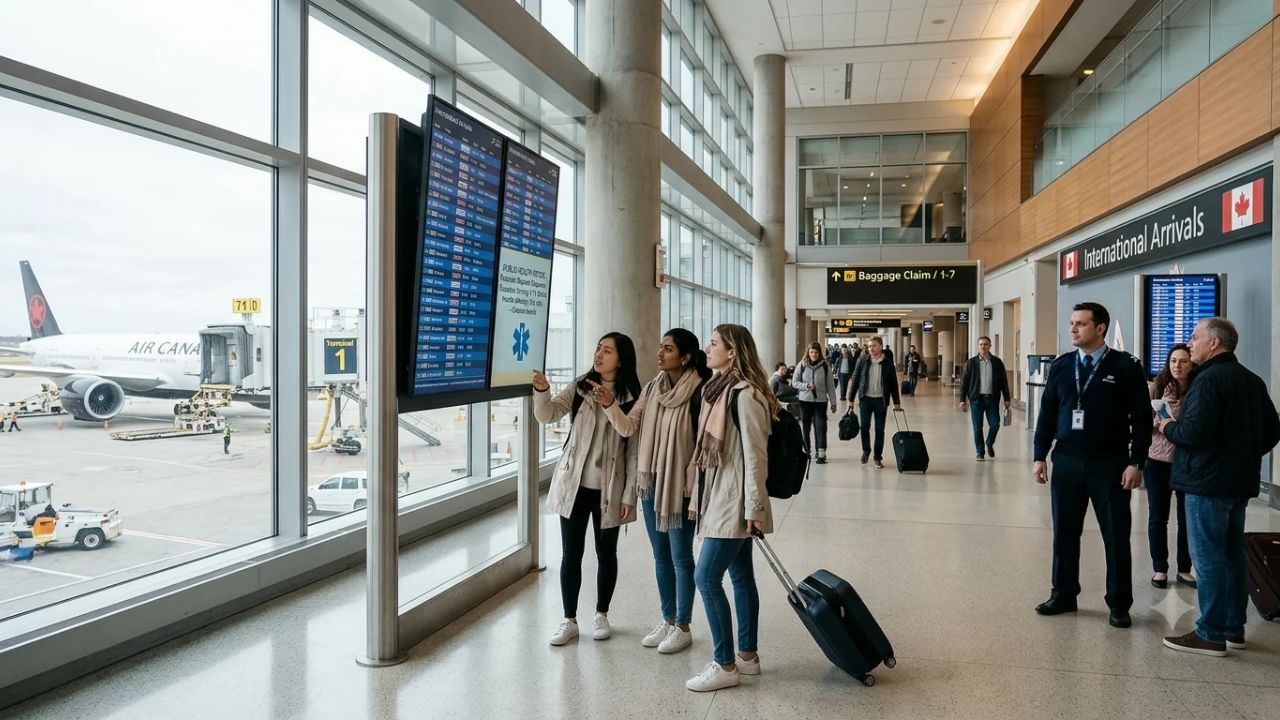
California Storm Warnings and Banff Snow Shortages: Winter 2026 Travel Alert

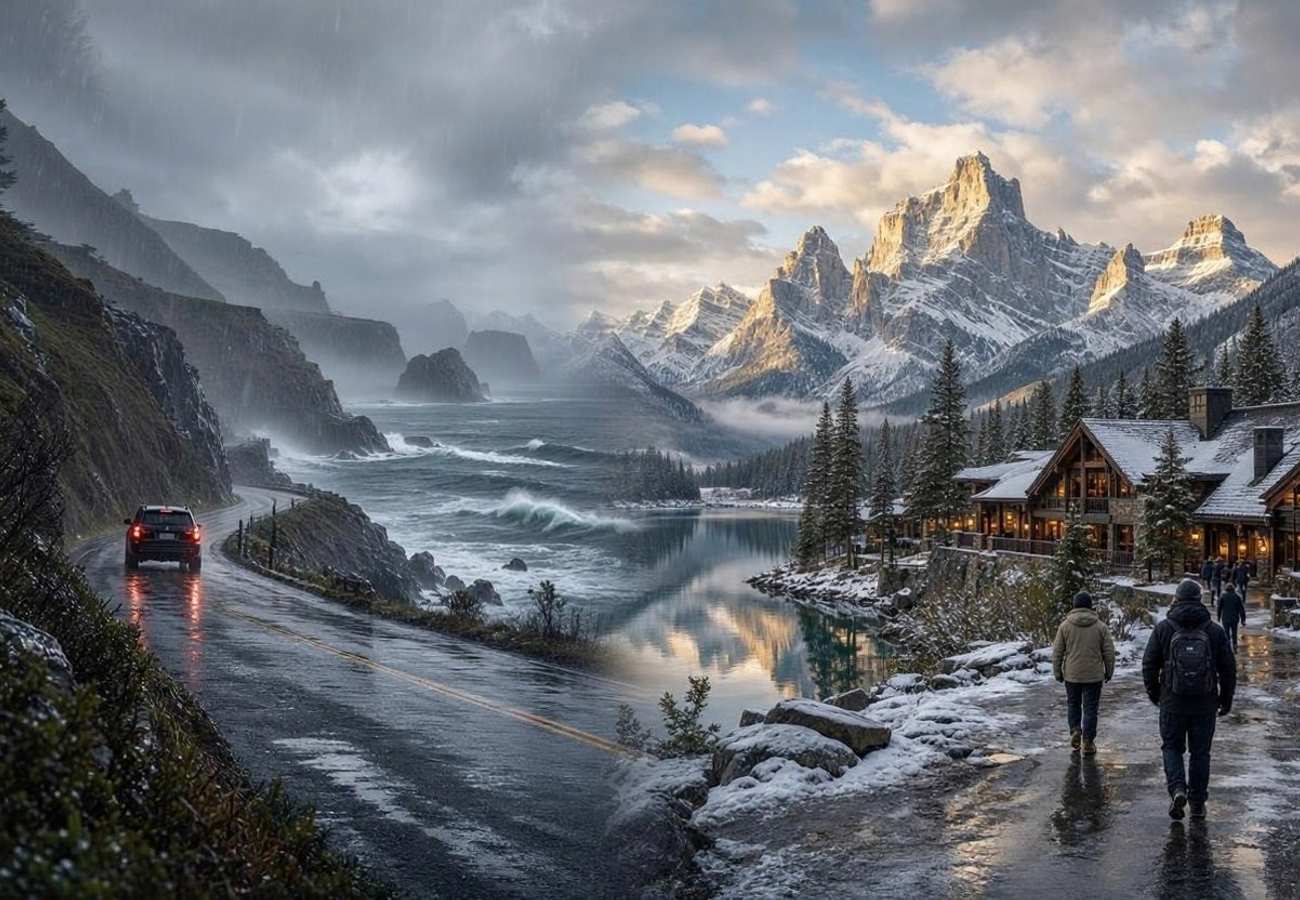
Image generated by AI
Families planning a Thanksgiving getaway to the California coast or a luxury ski retreat in Banff may find their itineraries derailed this month. While one region battles an onslaught of Pacific moisture, the other struggles with a deficit of natural snow, creating a polarized winter landscape for North American travelers.
Severe Pacific Storms Threaten California Transit
The most pressing concern for late November travelers is a sequence of powerful Pacific storm systems forecast to strike California between November 20 and November 27, 2026. This window directly overlaps with the peak U.S. Thanksgiving travel period, significantly increasing the risk of systemic transport failures.
According to the National Weather Service (NWS), these systems may trigger atmospheric river activity, bringing torrential rain and heavy mountain snow. The risk is amplified by a statewide emergency declared by the governor's office in September 2026, citing a greater than 90 percent probability of a very strong El Niño event for the 2026-2027 winter.
The volatility is already evident. Between November 14 and 15, 2026, the San Francisco Bay Area NWS office reported breakers reaching 35 feet. This resulted in immediate evacuation warnings and closures in Santa Cruz County after high waves caused structural damage to local piers.
Banff and Lake Louise: The Snow Deficit
In contrast to California's surplus of water, Banff National Park is experiencing a sparse start to the season. As of November 16, 2026, reports indicate that natural snow cover remains thin, particularly at lower elevations.
While Lake Louise Ski Resort officially opened on November 6, 2026, and Sunshine Village and Mt. Norquay are operational, they are relying heavily on aggressive snowmaking. Current data shows only a small percentage of total runs are open, with off-piste and lower-mountain terrain remaining largely inaccessible due to insufficient depth. Parks Canada has specifically noted that popular walking routes near Lake Louise and cross-country ski tracks around the Banff townsite lack the necessary base for machine-set grooming.
Regional Impact Comparison: California vs. Banff
| Feature | California (Nov 20-27) | Banff/Lake Louise (Mid-Nov) |
|---|---|---|
| Primary Risk | Flooding, landslides, air delays | Limited terrain, thin snowpack |
| Weather Driver | Strong El Niño / Atmospheric River | Warmer-than-average seasonal trend |
| Transport Impact | Highway closures (I-80, US-50), flight cancellations | Restricted cross-country ski access |
| Alert Level | Statewide Emergency / NWS Warnings | Parks Canada Trail Advisories |
| Key Concern | Thanksgiving holiday congestion | Lack of natural snow for non-groomed runs |
Your Rights as a Passenger
Weather-related disruptions often lead airlines to claim "Force Majeure" or "extraordinary circumstances" to avoid paying cash compensation. However, your basic rights to care and refunds remain intact.
For Flights into California: If your flight is cancelled or significantly delayed due to these storms, you are entitled to:
- Refunds: Under U.S. Department of Transportation (DOT) rules, you are entitled to a full refund if the airline cancels your flight and you choose not to travel on the alternative offered.
- Rebooking: Airlines must rebook you on the next available flight at no additional cost.
- Duty of Care: While U.S. law is less stringent than EU261, many major carriers provide meal vouchers for delays exceeding four hours.
For Canadian Transit/Hospitality: If your Banff hotel or tour is cancelled due to lack of snow or accessibility:
- Contract Review: Check if your booking is "weather-dependent." Most luxury resorts in Banff do not offer refunds for thin snow, as they provide man-made alternatives.
- Travel Insurance: This is the primary recourse for "trip interruption" or "trip curtailment" when weather renders a destination unsuitable for its intended purpose (e.g., skiing).
Rebooking Strategy and Alternatives
If you are caught in the California storm window or find Banff's snow levels insufficient, consider these tactical pivots:
California-Bound Travelers:
- Shift Dates: If flexible, move travel to the first week of December to avoid the November 20-27 peak.
- Route Diversion: If heading to the Sierras (Lake Tahoe/Yosemite), ensure your vehicle is equipped with winter-rated tires or chains. Check FlightAware for real-time airport congestion at SFO and LAX.
- Alternative Hubs: Consider flying into airports less prone to coastal atmospheric river flooding if connecting to inland destinations.
Banff-Bound Travelers:
- Pivot to Sightseeing: Shift focus from cross-country skiing to hot springs and scenic walks, which remain accessible despite thin snow.
- Higher Elevation Shift: Focus activities exclusively on the upper mountain runs at Lake Louise and Sunshine Village where snowmaking is most effective.
- Postpone: If natural powder is a requirement, delay your trip until late December or January.
FAQ: Winter Travel Disruptions 2026
Am I entitled to compensation for a storm-cancelled flight in California? Generally, no. Severe weather is considered an "extraordinary circumstance." However, you are entitled to a full refund if you choose not to take the rebooked flight.
Can I get a refund for my Banff hotel if there is no snow? Unlikely. Lack of snow is rarely a legal ground for a refund unless the hotel is physically inaccessible. Review your travel insurance for "trip interruption" coverage.
What should I do if I-80 or US-50 is closed in the Sierras? Monitor Caltrans updates and ensure you have chains. If roads are closed, contact your accommodation immediately to negotiate a late arrival or a waiver of the no-show fee.
Are there alternative ski destinations if Banff is too thin? Check conditions in the northern Rockies or interior Alaska, though El Niño may affect multiple regions. Always verify current snow depth via independent aggregators.
Stay vigilant with weather alerts and keep your documentation ready to ensure your rights are protected during this volatile season.
Related Travel Guides
This article is for informational purposes. Flight routes, passenger regulations, visa rules, and transit advisories are subject to change by airlines and aviation authorities. Readers are advised to verify schedules and travel documentation with relevant carriers and border agencies before departure.
Related Stories

Montana and Idaho Winter Travel Alert: Heavy Snow Forecast for Mountain Passes November 2026

Delta Flight DL2498 In-Flight Lavatory Vaping Triggers Smoke Alarm Before Newark Landing, Sparking Safety Alert on Airbus A321neo