
Flight Cancellations Ripple Across JFK's Global Routes This April
Six flight cancellations ripple through JFK on April 12, 2026, severing links to Rome, Tokyo, and Los Angeles as U.S. airports face systemwide congestion. What nomadic workers need to know.

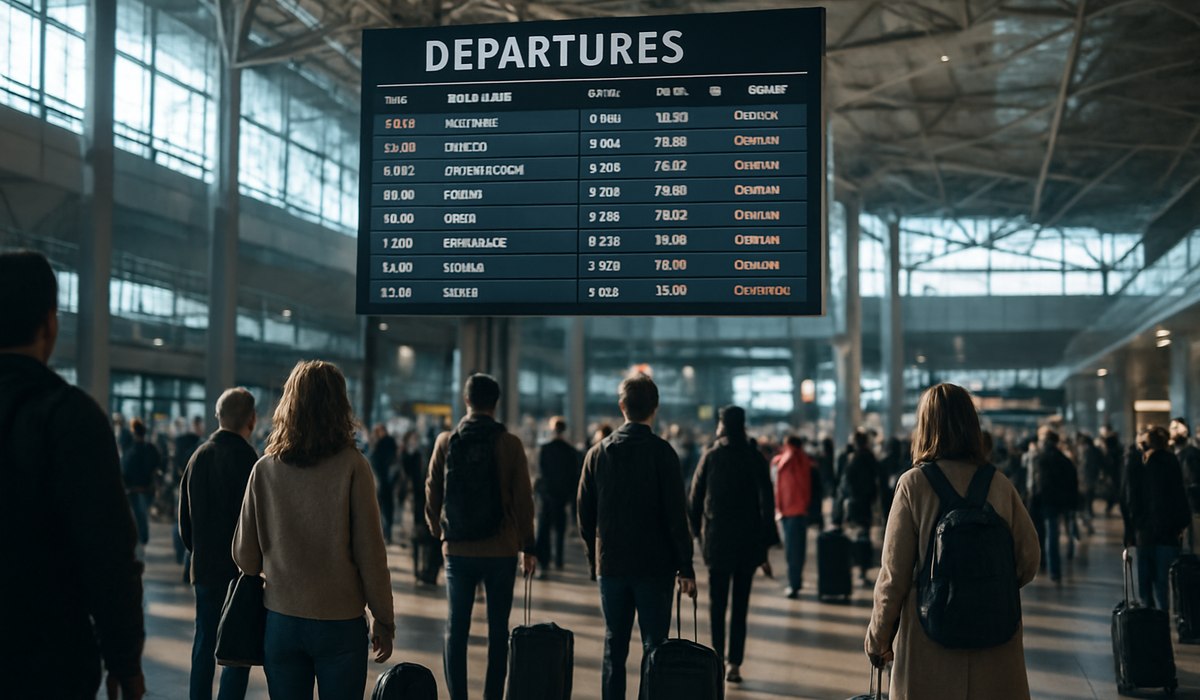
Image generated by AI
Breaking News: Six Flight Cancellations Ripple Through JFK's International Network
Six flights scrubbed at New York's John F. Kennedy International Airport on April 12, 2026, severed critical long-haul connections to Rome, Tokyo, and Los Angeles, compounding travel chaos across U.S. airports. The cancellations involved five major carriers—ITA Airways, Delta Air Lines, American Airlines, Jazz, and Kuwait Airways—and coincided with over 1,000 delays nationwide. Passengers bound for transatlantic, transpacific, and North American destinations faced same-day cancellations, missed connections, and rebooking challenges during peak spring travel season.
The disruptions underscore how even modest schedule reductions at a hub airport like JFK cascade into global travel complications. Airlines consolidated lightly-booked services amid broader U.S. airport congestion, prioritizing high-load-factor flights while canceling lower-demand rotations. For remote workers and nomadic professionals relying on predictable schedules, the April 12 incident highlights systemic vulnerabilities in the transatlantic and transpacific networks.
Six Cancellations Hit Major International Routes at JFK
The six removed flights targeted key intercontinental corridors that typically operate at high frequencies. ITA Airways suspended at least one Rome-New York service pair, leaving transatlantic passengers scrambling for alternatives on connecting itineraries. The Italian carrier's involvement reflects broader pressure on European gateways competing for spring leisure and business traffic.
North American carriers consolidated service on Los Angeles and Toronto runs, where Jazz and major U.S. operators normally field multiple daily rotations. Even a single widebody cancellation on routes serving these metropolitan areas raises load factors sharply on remaining flights, leaving stranded passengers with wait times exceeding 24 hours. Tokyo-bound passengers faced particular challenges: transpacific routes operate on fixed frequencies (often once or twice daily), meaning cancellation of a single flight eliminates alternative same-day routing options for many travelers.
The timing amplified disruption severity. Spring peak season already constrains seat availability; adding cancellations forced passengers into 48-hour-plus rebooking queues or overnight hotel expenses. Passengers with tight onward connections discovered that rerouting options simply didn't exist within their original travel window. For location-independent professionals, such delays threaten critical meetings, visa runs, or business commitments across multiple continents.
Rolling Delays Cascade Across U.S. Airport Network
The April 12 disruptions formed one node in a much larger network failure. Data compiled by aviation trackers showed over 1,000 delays recorded at U.S. airports that day, signaling systemic capacity constraints rather than isolated airport issues. Peak banking windows—when carriers concentrate arrivals to enable rapid turnarounds—proved particularly vulnerable. Late-arriving aircraft cascaded into missed departure slots, compounding the original six cancellations into dozens of downstream delays.
New York's three major airports (JFK, LaGuardia, Newark) experienced compounded pressure from regional congestion and weather systems. Passengers arriving late into the New York metro faced severely limited same-day alternatives, as competing carriers navigated their own residual backlogs. The broader U.S. network pattern suggests that airport infrastructure and air traffic control capacity remain strained heading into summer travel season.
Rolling delays rippled internationally. Connecting passengers transiting JFK experienced cascade effects at Rome, Tokyo, and Los Angeles hubs. A missed connection in New York forced rebooking through European or Asian gateways, adding 12–48 hours to journey times and stranding luggage at intermediate points.
Why Carriers Are Consolidating Services on Select Routes
Airlines deployed schedule consolidation as a demand-management strategy during April's congestion. Lightly-booked flights—particularly low-yield early-morning or late-evening departures—became consolidation targets. Rather than operate half-full aircraft and absorb fuel and crew costs, carriers combined passengers onto fewer flights, accepting the risk that some travelers would face cancellations.
Kuwait Airways' operational challenges added to consolidation pressure. The Kuwaiti carrier has navigated an extended shutdown at Kuwait International Airport following late-February airspace closure. With its primary hub offline, Kuwait Airways redirected traffic through secondary gateways, complicating long-haul planning. Codeshare partners operating transatlantic New York service felt ripple effects, leading some to suspend or consolidate JFK rotations.
North American operators contended with spring weather volatility and earlier-month disruptions that bred operational instability. When crews and aircraft fall out of rotation, carriers must cancel future flights rather than risk cascading failures. Consolidation also reflects capacity anxiety: spring leisure travel demand sometimes exceeds available seats, prompting airlines to reduce unprofitable low-load flights and shift capacity toward premium and connecting traffic.
For remote workers and digital nomads, consolidation creates unpredictability. Carriers no longer publish reliable long-term schedules; flights confirmed weeks in advance risk sudden cancellation as airlines adjust capacity in real time. Building buffer time (48–72 hours) into itineraries became essential defensive strategy.
What This Means for Nomadic Professionals and Remote Workers
Location-independent professionals face heightened risk from the April 12 pattern of cancellations. Flight consolidation and rolling delays directly threaten the schedule predictability that remote workers require for visa runs, tax compliance travel, and client meetings across time zones. A cancellation in New York ripples into missed onward flights in Rome or Tokyo, potentially stranding workers far from their home base.
The April incident reflects structural shifts in airline capacity planning. Carriers now optimize schedules around real-time demand data and slot availability, making advance bookings less reliable. Digital nomads relying on 30–60-day planning windows should adopt conservative strategies: book flights further in advance, pay premium fares for more frequent rotations, maintain travel insurance covering cancellation costs, and build 48-hour buffers into critical itineraries.
Spring and summer peak seasons amplify consolidation risk. With leisure travelers filling economy cabins, business-class and premium-economy seats offer better rebooking flexibility. Nomadic professionals with budget constraints may find themselves among the last passengers rebooked on alternative services, creating involuntary delays that disrupt visa windows or tax residency requirements.
Tracking tools like FlightAware enable proactive monitoring. Checking flight status 72 hours before departure—and again 24 hours prior—allows workers to identify weak-link flights (those operating on unprofitable routes or with historically low load factors) and shift to more-reliable alternatives. Communicating directly with airlines about critical travel deadlines sometimes yields priority rebooking during disruptions.
Key Data Table: JFK Disruption Overview (April 12, 2026)
| Metric | Details |
|---|---|
| Total Cancellations at JFK | 6 flights |
| Airlines Affected | ITA Airways, Delta Air Lines, American Airlines, Jazz, Kuwait Airways |
| International Routes Impacted | Rome, Tokyo, Los Angeles, Toronto |
| Delays Across U.S. Airports | 1,000+ |
| Consolidation Driver | Lightly-booked services, spring congestion, geopolitical factors (Kuwait closure) |
| Rebooking Impact | Same-day alternatives severely limited; many passengers faced 24–48 hour delays |
| Peak Affected Window | Banking period departures (midday, evening) |
| Regional Pressure Points | LaGuardia, Newark, competing for same passenger pool |
Live Flight Status and Real-Time Monitoring
Travelers should monitor cancellations and delays through real-time tracking platforms. FlightAware provides live departure and arrival boards, historical reliability metrics, and push notifications for flight
Disclaimer
This article is for informational and educational purposes only. It does not constitute legal, financial, or professional advice. While we strive to provide accurate and up-to-date information, travel policies, regulations, and conditions change rapidly. Always verify information with official sources before making travel decisions. Nomad Lawyer makes no representations about the accuracy, reliability, completeness, or suitability of the information provided. Readers should consult qualified professionals for advice specific to their circumstances. The views expressed in this article are those of the author and do not necessarily reflect the views of Nomad Lawyer.
Raushan Kumar
Founder & Lead Developer
Full-stack developer with 11+ years of experience and a passionate traveller. Raushan built Nomad Lawyer from the ground up with a vision to create the best travel and law experience on the web.
Learn more about our team →