
U.S. Air Force's Extended Reach: Combat Range Becomes Critical Capability for 2026 Operations
Breaking airline news and aviation industry updates for 2026.

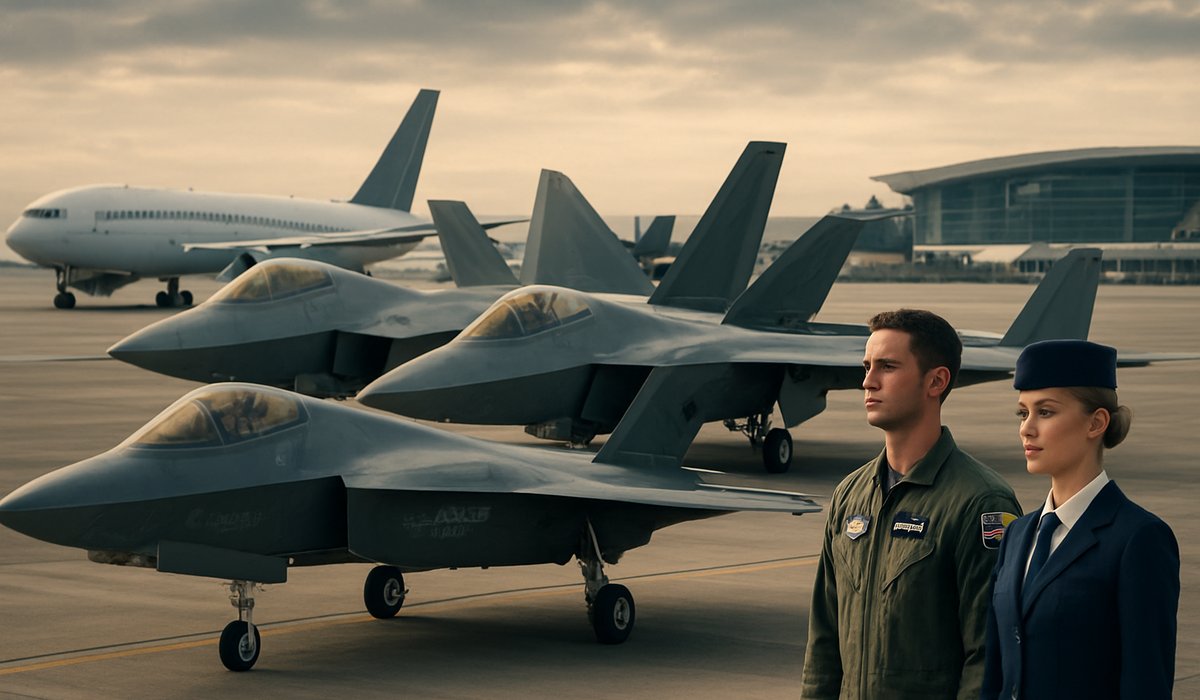
Image generated by AI
U.S. Air Force's Extended Reach: Combat Range Becomes Critical Capability for 2026 Operations
As geopolitical tensions rise, extended-range fighter jets reshape Pentagon's power projection strategy
The Strategic Imperative Behind Combat Range
Combat range has emerged as one of the most decisive performance metrics in modern aerial warfare, fundamentally shaping how the United States Air Force designs and deploys its fighter fleet. Unlike most global air forces, which prioritize homeland defense within confined geographical boundaries, the USAF operates under a fundamentally different strategic doctrine: power projection across intercontinental distances and deep penetration into contested airspace.
This operational paradigm places extraordinary demands on aircraft endurance and fuel efficiency. The ability to strike targets thousands of miles away without reliance on foreign air bases or aerial refueling assets has become increasingly critical as the Pentagon manages tensions across multiple theaters and confronts adversaries with expanding territorial claims.
Why Combat Range Matters More for the USAF
The distinction between ferry range—the maximum distance an aircraft can travel without combat load—and realistic combat range represents a crucial divide in aviation strategy. The USAF specifically requires aircraft capable of carrying weapons, sensors, and defensive systems across vast distances while maintaining operational effectiveness.
"Range is arguably both less and more important for the United States Air Force relative to most air forces in the world," according to military aviation analysts. While other nations prioritize defensive capabilities within their borders, America's forward-projection doctrine demands fighters that can traverse continents, maintain combat readiness, and execute sustained operations without establishing costly infrastructure in allied nations.
Strategic and Economic Implications
The emphasis on extended-range capabilities drives significant research and development investments, influencing procurement decisions worth billions of dollars. As fuel costs fluctuate with global energy markets and supply chain vulnerabilities threaten logistical networks, aircraft with superior fuel efficiency and range become increasingly valuable assets in the Pentagon's strategic calculus.
This focus on range also reflects evolving threats in the Indo-Pacific region, where vast oceanic distances separate potential adversaries, and in Europe, where rapid response capabilities require aircraft capable of reaching theaters thousands of miles from home bases.
Looking Ahead to 2026
As the USAF evaluates its fighter fleet composition through 2026 and beyond, extended-range platforms will likely command premium resources and priority development funding. The integration of advanced refueling systems, lightweight materials, and fuel-efficient engines continues reshaping what "combat-ready range" means for next-generation air operations.
Frequently Asked Questions
Q: What is the difference between ferry range and combat range for fighter jets? A: Ferry range represents maximum distance without weapons or combat equipment, while combat range accounts for the weight of armaments, defensive systems, and fuel reserves needed for actual operations.
Q: Why does the USAF prioritize extended-range capabilities differently than other militaries? A: The U.S. Air Force operates a global power projection strategy requiring intercontinental strike capabilities, unlike most nations focused on homeland defense within regional boundaries.
Q: How do fuel prices impact fighter jet range requirements? A: Rising jet fuel costs increase operational expenses, making fuel-efficient aircraft with superior range more economically valuable for sustained global operations.
Q: Which geographic regions drive USAF range requirements? A: The Indo-Pacific theater and European operations demand extended-range capabilities to cover vast distances and respond rapidly without relying on forward-based infrastructure.
Q: How does range influence modern fighter jet procurement decisions? A: Extended-range platforms receive priority development funding and command higher procurement budgets, as they provide strategic flexibility and reduce logistical dependencies on allied nations.
Related Travel Guides
External Resources
Disclaimer
This article is for informational and educational purposes only. It does not constitute legal, financial, or professional advice. While we strive to provide accurate and up-to-date information, travel policies, regulations, and conditions change rapidly. Always verify information with official sources before making travel decisions. Nomad Lawyer makes no representations about the accuracy, reliability, completeness, or suitability of the information provided. Readers should consult qualified professionals for advice specific to their circumstances. The views expressed in this article are those of the author and do not necessarily reflect the views of Nomad Lawyer.
Raushan Kumar
Founder & Lead Developer
Full-stack developer with 11+ years of experience and a passionate traveller. Raushan built Nomad Lawyer from the ground up with a vision to create the best travel and law experience on the web.
Learn more about our team →