
Flight Delays Disrupt Reagan National Airport
Flight delays at Reagan National Airport disrupt travel plans as 97 flights are delayed and 3 canceled, affecting major airlines and routes.

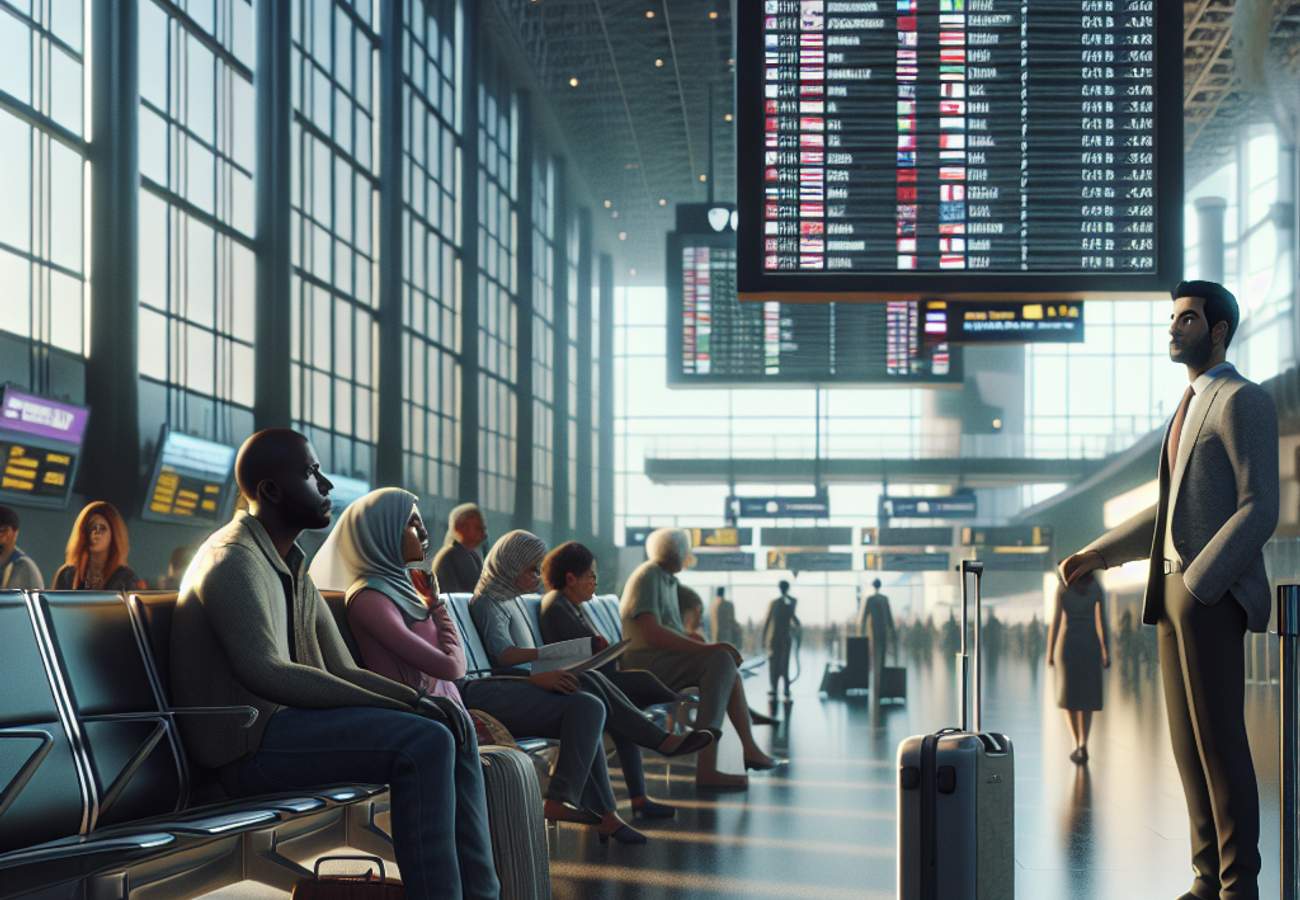
Image generated by AI
Travelers Face Major Disruptions at Reagan National Airport
On May 6, 2026, Ronald Reagan Washington National Airport faced significant travel disruptions with 97 flights delayed and three canceled, affecting thousands of passengers. This disruption impacted major American airlines, including American Airlines, Delta Air Lines, and United Airlines, on domestic routes to cities like New York, Chicago, Atlanta, Miami, and Boston.
The Challenges of a High-Density Airspace
Reagan National Airport, a key hub in Washington D.C., operates under stringent federal regulations. Its limited flexibility means even minor disturbances can cause widespread delays. The FAA, emphasizing safety, often implements measures such as ground stops to manage air traffic, particularly in the complex airspace of Washington D.C.
Factors Contributing to the Delays
Several factors played a role in the delays at Reagan National Airport:
-
Air Traffic Control Constraints: The Potomac TRACON facility, crucial for managing regional air traffic, can significantly impact flights if disruptions occur.
-
Weather Conditions: Unpredictable weather, including storms and high winds, frequently necessitates FAA-imposed ground delay programs.
-
Network-Wide Effects: Delays in one location can cascade across the national network, especially along the busy East Coast corridor.
Impact on Airlines and Passengers
The delays affected major carriers extensively, disrupting tightly scheduled operations. Key routes from Washington D.C. to major cities are heavily trafficked, making even small delays impactful. Passengers faced extended wait times, rebooking challenges, and increased travel costs, highlighting the need for clear communication and awareness of passenger rights.
Government and Traveler Response
The FAA maintains that safety remains the priority, guiding operational decisions like spacing aircraft further apart during peak times. Travelers are advised to stay informed through airline apps and FAA updates, arrive early, and know their rights regarding refunds and compensation for significant delays.
Conclusion: A System Under Strain
The events at Reagan National Airport are indicative of broader challenges within the U.S. aviation system, marked by increasing travel demand and infrastructure limitations. Without substantial investment, such disruptions may become more frequent.
Related Travel Guides
Disclaimer
This article is for informational and educational purposes only. It does not constitute legal, financial, or professional advice. While we strive to provide accurate and up-to-date information, travel policies, regulations, and conditions change rapidly. Always verify information with official sources before making travel decisions. Nomad Lawyer makes no representations about the accuracy, reliability, completeness, or suitability of the information provided. Readers should consult qualified professionals for advice specific to their circumstances. The views expressed in this article are those of the author and do not necessarily reflect the views of Nomad Lawyer.
Kunal K Choudhary
Co-Founder & Contributor
A passionate traveller and tech enthusiast. Kunal contributes to the vision and growth of Nomad Lawyer, bringing fresh perspectives and driving the community forward.
Learn more about our team →