
US Flight Attendants' Earnings 2026: Seniority-Based Pay Structure Reshapes Cabin Crew Compensation
Breaking airline news and aviation industry updates for 2026.

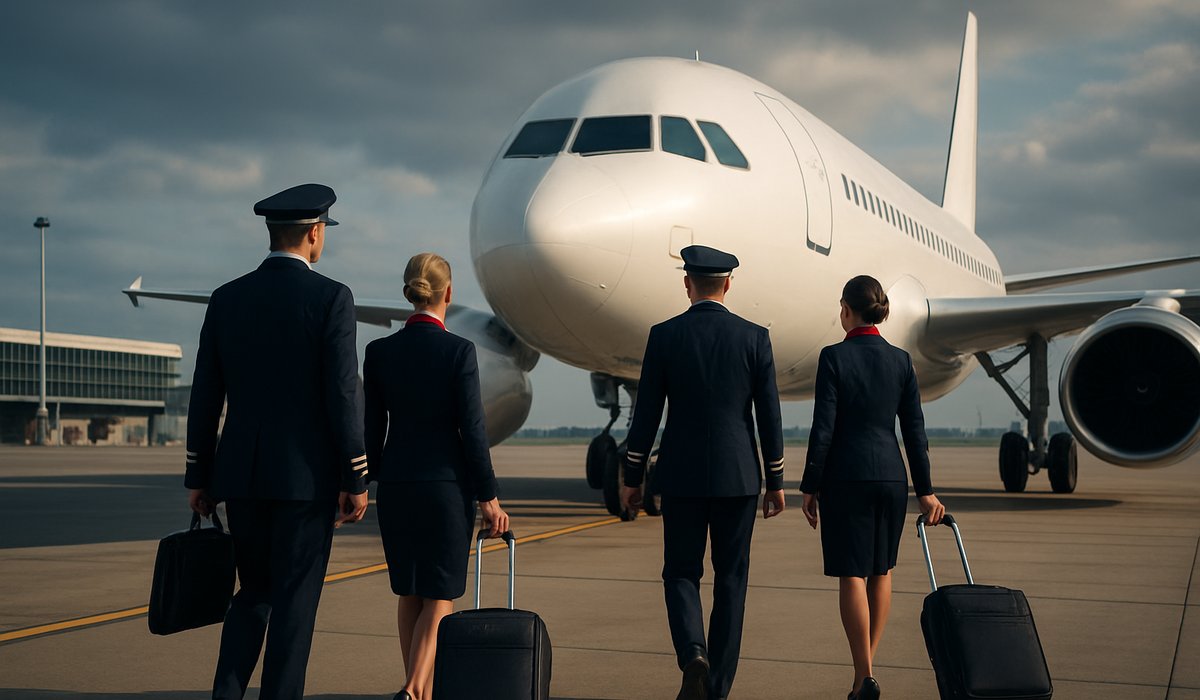
Image generated by AI
US Flight Attendants' Earnings 2026: Seniority-Based Pay Structure Reshapes Cabin Crew Compensation
Unlike the rigid hierarchy governing pilot compensation, American carriers adopt a flexible seniority model for flight attendant wages—with significant implications for recruitment and retention across the industry
The Seniority-Driven Model Replacing Traditional Rank Systems
The American aviation industry operates under a fundamentally different compensation philosophy for cabin crew compared to flight deck personnel. While pilots navigate a clearly defined five-tier ranking structure, flight attendants at major US carriers—including American Airlines, Delta Air Lines, United Airlines, and Southwest Airlines—follow a seniority-based pay progression system that prioritizes tenure over formal rank designation.
This distinction has emerged as a critical factor in the ongoing labor disputes reshaping the aviation workforce. Unlike pilots, who advance through first officer and captain classifications, flight attendants accumulate compensation increases through years of service rather than climbing a hierarchical ladder.
How Seniority Determines Earning Potential
The absence of formal rank titles doesn't indicate a lack of structure. Major US carriers have developed sophisticated compensation frameworks that recognize five distinct career tiers for cabin crew members, though these operate under different nomenclature than traditional military or aviation rank systems.
Entry-level flight attendants begin at the lowest compensation tier, typically earning between $28,000 to $35,000 annually. As attendants accumulate years of service—generally progressing through two to five-year intervals—their base salary increases systematically, reflecting their experience and institutional value.
Senior cabin crew members with 15+ years of tenure at major carriers command compensation packages reaching $60,000 to $80,000 annually, representing a substantial premium over entry-level positions. This structure directly incentivizes workforce retention while rewarding experienced personnel responsible for passenger safety and service excellence.
Industry Implications for 2026 and Beyond
The seniority model carries significant implications for airline operations and labor relations. As carriers compete aggressively for talent amid post-pandemic demand recovery, several airlines have accelerated compensation timelines and increased starting wages to improve recruitment prospects.
This approach differs markedly from pilot compensation structures, where rank advancement carries formal certification requirements and training milestones. For flight attendants, the system rewards longevity while maintaining flexibility in deployment and scheduling—a critical advantage in an industry subject to seasonal fluctuations and route restructuring.
Understanding this compensation framework proves essential for prospective cabin crew members evaluating career trajectories and for airlines managing operational costs amid fluctuating jet fuel prices and evolving labor agreements.
FAQ: Flight Attendant Compensation & Aviation Employment
Q: How do flight attendant salaries compare to pilot compensation in 2026? A: Flight attendants typically earn significantly less than pilots, with senior cabin crew reaching $60,000-$80,000 annually compared to pilots' $150,000+ range. However, flight attendants follow seniority-based models rather than formal rank hierarchies.
Q: What's the fastest path to maximum flight attendant compensation? A: Tenure is the primary driver. Most carriers see salary progression over 12-20 years of continuous service, with significant jumps occurring at 5, 10, and 15-year milestones.
Q: Are flight attendant salaries improving in the current labor market? A: Yes. Competitive pressure and labor organizing have prompted major carriers to increase starting wages and accelerate compensation growth, particularly since 2023.
Q: Does airline seniority system affect job security? A: Seniority protects senior flight attendants from furloughs and route reductions, creating substantial job security alongside wage protection.
Q: How do union agreements impact flight attendant pay structures? A: Union contracts formally establish compensation tiers, minimum wages, and advancement schedules—providing transparency and predictability absent in non-unionized positions.
Related Travel Guides
-
KLM A350-900 noise regulations reshape Amsterdam fleet strategy 2026
-
US Military Pilot Compensation Reaches New Heights in 2026: Full Officer Pay Scale Analysis
External Resources
Disclaimer
This article is for informational and educational purposes only. It does not constitute legal, financial, or professional advice. While we strive to provide accurate and up-to-date information, travel policies, regulations, and conditions change rapidly. Always verify information with official sources before making travel decisions. Nomad Lawyer makes no representations about the accuracy, reliability, completeness, or suitability of the information provided. Readers should consult qualified professionals for advice specific to their circumstances. The views expressed in this article are those of the author and do not necessarily reflect the views of Nomad Lawyer.
Kunal K Choudhary
Co-Founder & Contributor
A passionate traveller and tech enthusiast. Kunal contributes to the vision and growth of Nomad Lawyer, bringing fresh perspectives and driving the community forward.
Learn more about our team →