
KLM A350-900 noise regulations reshape Amsterdam fleet strategy 2026
KLM's Airbus A350-900 fleet expansion in 2026 prioritizes Amsterdam Schiphol noise compliance over pure efficiency gains. Stricter airport regulations drive airline modernization across Europe.

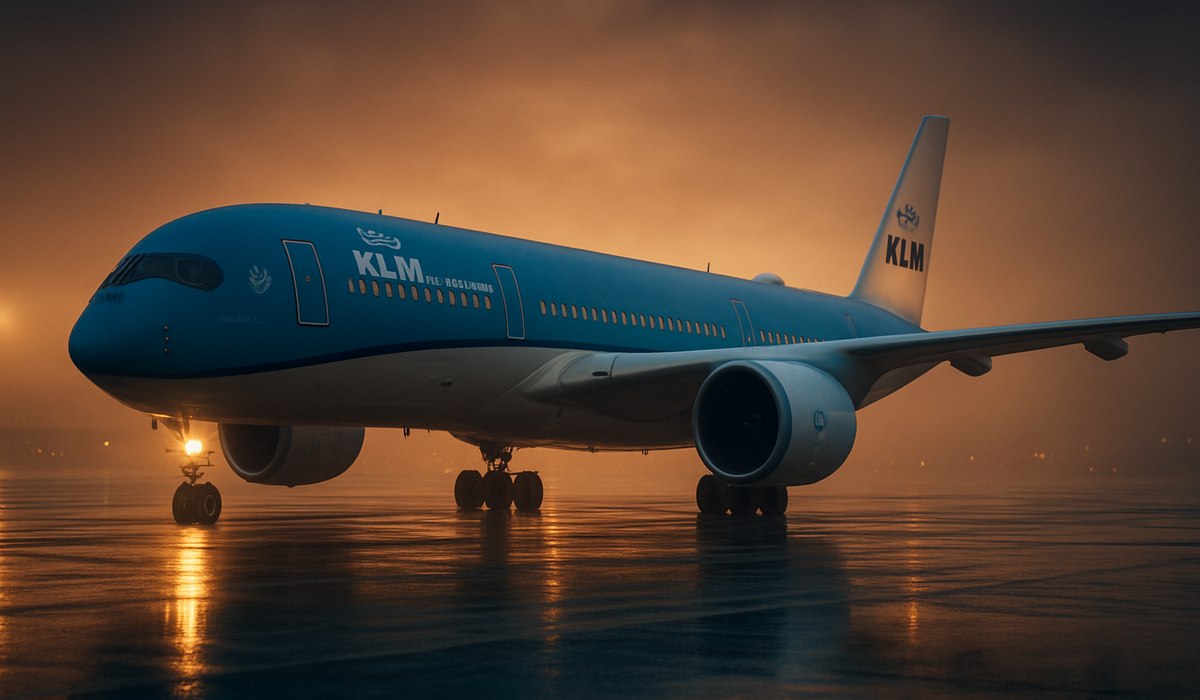
Image generated by AI
KLM's Strategic Pivot: Regulatory Compliance Over Efficiency
KLM Royal Dutch Airlines is deploying its new Airbus A350-900 fleet as a regulatory survival strategy rather than purely an operational efficiency upgrade. The carrier faces mounting pressure from Amsterdam Schiphol Airport's increasingly strict noise regulations, which are reshaping fleet modernization priorities across Europe. Instead of traditional capacity planning, KLM's investment signals a fundamental shift toward meeting environmental compliance mandates that could determine long-term route viability at one of the continent's busiest hubs.
The A350-900 represents a technological answer to regulatory pressure. Amsterdam Airport's noise ceilings have tightened significantly, with future slots dependent on aircraft meeting stringent decibel thresholds during takeoff and landing. This regulatory environment forces KLM to retire aging, louder aircraft faster than economic optimization would dictate alone.
The Regulatory Pressure at Amsterdam Schiphol
Amsterdam Schiphol Airport operates under some of Europe's most demanding noise restrictions. Night flight curfews, quota systems tied to noise performance, and penalties for exceeding decibel limits create operational constraints unknown in many other markets. The airport's proximity to residential neighborhoods means regulators enforce these rules aggressively.
KLM's historical fleet included Boeing 777s and Airbus A330s—capable aircraft but considerably louder than modern standards. Schiphol's regulatory framework increasingly penalizes these models through slot restrictions and surcharges. Airlines operating substandard aircraft face reduced access during peak hours and higher landing fees, directly impacting profitability on lucrative routes.
The regulatory environment extends beyond Schiphol. European Union noise directives, including the EU's balanced approach framework, create continent-wide pressure. Airlines exceeding noise limits at multiple EU airports face operational restrictions and fines. KLM's European competitors face identical pressure, but Amsterdam's proximity to KLM's primary hub makes compliance especially critical.
For more information on aviation regulations, visit the FAA's noise certification standards. Travelers can track affected flights via FlightAware real-time monitoring.
Why the A350-900 Is KLM's Regulatory Answer
The Airbus A350-900 delivers 17% lower noise emissions than the aircraft it replaces. This advantage stems from advanced engine design, aerodynamic improvements, and enhanced sound insulation. For KLM, the A350-900 transforms regulatory compliance from a constraint into a competitive advantage.
The A350-900's noise profile allows unrestricted slot access at Schiphol during peak hours. This operational flexibility directly increases revenue potential on popular routes like Amsterdam-New York and Amsterdam-Tokyo. By contrast, noisier aircraft face time-restricted scheduling, forcing less efficient routing around noise windows.
Beyond noise, the A350-900 improves fuel efficiency by 25%, reducing operating costs and emissions. This efficiency gains secondary importance to regulatory survival. The primary strategic benefit remains regulatory compliance—essentially buying the airline's continued viability in its core market.
KLM has ordered 21 A350-900 aircraft, with deliveries extending through 2027. This substantial order reflects the carrier's commitment to transforming its Amsterdam operations. Each delivery represents another noisier aircraft retirement and another step toward full Schiphol compliance.
Retiring Older Aircraft and Network Implications
KLM's modernization effort requires retiring Boeing 777s and Airbus A330s simultaneously. These aircraft still possess commercial viability, but their noise profiles make continued operation at Schiphol economically unviable. Retiring profitable aircraft accelerates capital expenditure but maintains essential route access.
The fleet transition affects KLM's network structure. Long-haul routes from Amsterdam to Asia-Pacific and North America increasingly operate exclusively on A350-900s. This consolidation improves scheduling efficiency while ensuring regulatory compliance. Some secondary long-haul routes face suspension as retiring widebodies aren't replaced one-to-one.
European routes see the most dramatic changes. KLM's regional presence shrinks as older widebodies exit the fleet. The carrier shifts European connectivity through partner airlines and reduced direct flight frequency. Passengers increasingly connect through hub airports rather than flying direct from secondary European cities.
The network impact extends to codeshare partners like Air France and Delta. These carriers adjust European-to-Amsterdam connections as KLM reduces certain routes. Travelers planning European itineraries should account for reduced direct flight options and longer average journey times through 2027.
What This Means for European Airlines
KLM's modernization strategy establishes a template for European carriers. Lufthansa, Air France-KLM, and British Airways face identical Schiphol-equivalent noise pressures at Frankfurt, Paris, and London respectively. Each airline's response determines survival in Europe's most profitable markets.
The regulatory trend favors manufacturers producing ultra-quiet aircraft. Airbus benefits from A350-900 demand, while Boeing's aging widebody portfolio faces accelerating retirement timelines. Airlines operating primarily in noise-restricted European hubs increasingly prefer Airbus orders.
Smaller carriers face existential threats. Airlines unable to afford A350-900-scale modernization programs lose competitive access to premium routes and time slots. Regulatory capture creates barriers to entry, favoring established carriers with capital capacity.
For travelers, this consolidation may reduce competition and increase fares on key European routes. However, improved air quality and reduced noise pollution for residential communities justify the trade-offs from a sustainability perspective. The environmental cost of older aircraft operation increasingly outweighs operational efficiency gains.
| Factor | Impact on KLM | Timeline | Affected Routes | Regulatory Trigger |
|---|---|---|---|---|
| A350-900 Deliveries | 21 aircraft ordered | 2024-2027 | Long-haul + European | Amsterdam Schiphol noise ceilings |
| Boeing 777 Retirement | Older fleet exit | 2025-2028 | Asia-Pacific routes | EU noise directives |
| Airbus A330 Phaseout | Gradual replacement | 2026-2029 | Secondary long-haul | Regional noise restrictions |
| Slot Reallocation | Peak-hour access gains | 2026 onwards | Amsterdam hub operations | Compliance-based allocation |
| Network Consolidation | Reduced direct flights | 2025-2027 | European secondary cities | Aircraft retirement scheduling |
| Operating Cost Impact | 15-18% fuel savings | 2026 average | All long-haul operations | Efficiency and compliance combined |
What This Means for Travelers
KLM's fleet modernization creates both opportunities and constraints for passengers booking travel through Amsterdam. Understanding these changes helps travelers optimize itineraries and manage expectations.
Traveler Action Checklist:
-
Book A350-900 flights when possible. These aircraft offer improved cabin pressure, wider seats, and better amenities than retiring widebodies. Search flight details on booking sites to identify aircraft types; A350-900 flights command premium comfort.
-
Expect reduced direct flight options from secondary European cities to long-haul destinations. Plan connections through Amsterdam hub or alternative carriers. Journey times may increase by 2-4 hours through connecting flights.
-
Monitor KLM's schedule changes quarterly at klm.com. Fleet transitions create timing adjustments on specific routes. Setting alerts prevents booking on suspended or rescheduled flights.
-
Compare airline options on key routes. Air France and Lufthansa offer competing connectivity through their respective hubs. Multi-airline searches reveal alternatives to KLM's contracting network.
-
Prepare for potential price increases on Amsterdam hub routes through 2027.
Disclaimer
This article is for informational and educational purposes only. It does not constitute legal, financial, or professional advice. While we strive to provide accurate and up-to-date information, travel policies, regulations, and conditions change rapidly. Always verify information with official sources before making travel decisions. Nomad Lawyer makes no representations about the accuracy, reliability, completeness, or suitability of the information provided. Readers should consult qualified professionals for advice specific to their circumstances. The views expressed in this article are those of the author and do not necessarily reflect the views of Nomad Lawyer.
Kunal K Choudhary
Co-Founder & Contributor
A passionate traveller and tech enthusiast. Kunal contributes to the vision and growth of Nomad Lawyer, bringing fresh perspectives and driving the community forward.
Learn more about our team →