
United Airlines Fragments Premium Plus Cabin Into Three Pricing Tiers, Creating $2,800 Fare Disparity for Identical Seats
Breaking airline news and aviation industry updates for 2026.

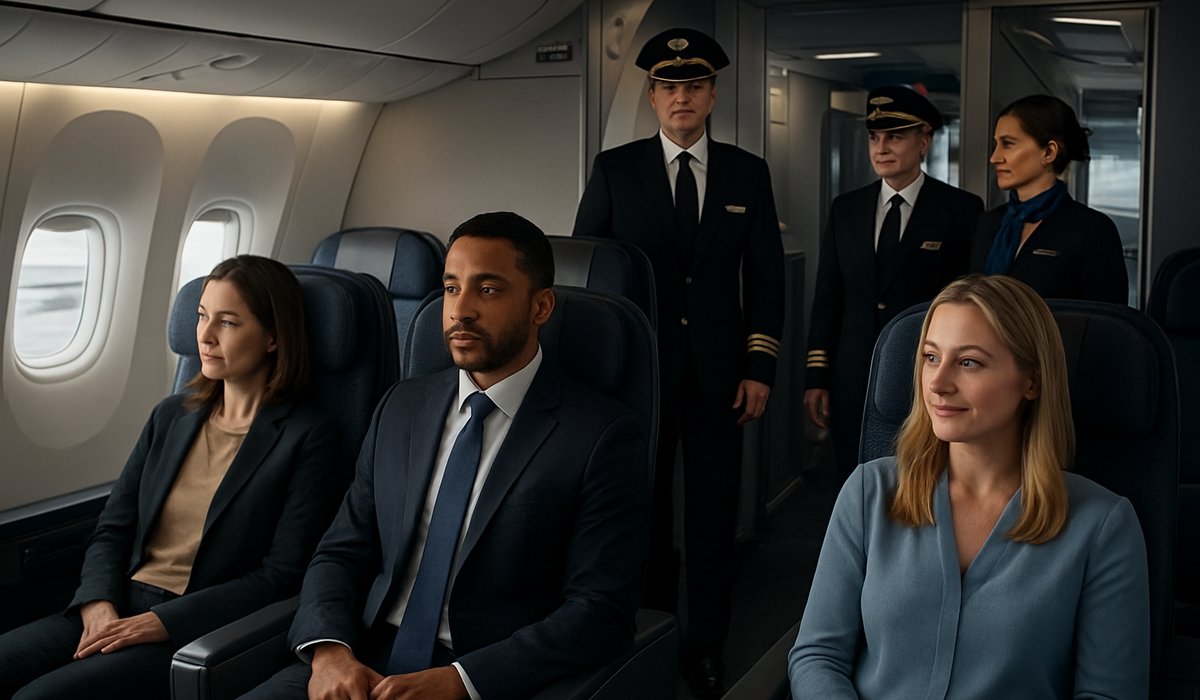
Image generated by AI
United Airlines Fragments Premium Plus Cabin Into Three Pricing Tiers, Creating $2,800 Fare Disparity for Identical Seats
Strategic product diversification blurs cabin boundaries as carriers weaponize dynamic pricing to maximize revenue from long-haul routes
The Premium Plus Pricing Puzzle
United Airlines has fundamentally restructured how it sells premium economy seating on international routes, fragmenting what was once a singular cabin class into three distinct commercial products. The strategic shift has created a bewildering array of pricing for travelers—identical seats now command anywhere from approximately $1,200 to over $4,000 for the same round-trip transatlantic journey, industry analysis reveals.
This radical departure from traditional cabin hierarchy reflects the aviation industry's aggressive pivot toward ancillary revenue streams and dynamic pricing models, driven by persistent jet fuel cost pressures and post-pandemic demand volatility. The strategy effectively transforms a single physical cabin into multiple psychological price points, optimizing revenue extraction across customer segments.
How One Cabin Became Three Products
United's restructuring rebrands the Premium Plus section into three separate booking categories, each with distinct service levels, seat selection privileges, and pricing mechanics. Rather than offering passengers a straightforward premium economy option, the carrier now segments demand through tiered product offerings—a sophisticated approach that mirrors strategies deployed by competitors navigating margin compression across international networks.
The fragmentation strategy allows United to capture different willingness-to-pay segments. Budget-conscious premium travelers settling for base-level Premium Plus access might secure fares near $1,200, while those selecting enhanced amenity packages or purchasing premium seat selections face exponentially higher outlays approaching $4,000.
Industry Context: Revenue Desperation Meets Dynamic Pricing
The move underscores broader aviation industry pressures. Sustained elevated jet fuel prices—averaging above $80 per barrel throughout 2022-2024—have squeezed carrier margins on long-haul routes where legacy premium cabin pricing faces resistance from corporate travel budgets and leisure travelers alike.
By fragmenting Premium Plus into granular product tiers, United effectively implements dynamic pricing while obscuring base fare transparency. The strategy reflects what industry analysts describe as "revenue optimization gone aggressive"—blurring the line between legitimate yield management and consumer confusion.
Competitive Implications
This cabin restructuring sets precedent across the industry. Rival carriers including American, Delta, and international players are monitoring United's approach as potential template for their own premium economy monetization strategies. The fragmentation signals a fundamental shift in how legacy carriers approach cabin hierarchy pricing.
For travelers, the implications are clear: booking complexity increases while fare predictability diminishes. The same physical seat becomes a moving target across three distinct product frameworks, fundamentally undermining traditional cabin class transparency.
FAQ: Understanding Premium Plus Pricing Fragmentation
Why has United split Premium Plus into three separate products? United employs dynamic pricing optimization to capture maximum revenue from diverse customer segments. By fragmenting cabin offerings, the carrier targets price-sensitive premium travelers alongside those willing to pay significantly more for enhanced amenities, thereby widening its revenue envelope on lucrative transatlantic routes.
What explains the $2,800 price variance for identical seats? The disparity reflects ancillary service bundling—base Premium Plus fares ($1,200 range) exclude premium seat selection and certain amenities, while fully-configured products ($4,000+) incorporate preferred seating, lounge access, and baggage benefits. Dynamic pricing algorithms then adjust these tiers based on booking timing, demand patterns, and competitive inventory.
How does this compare to competitor practices? Most legacy carriers employ dynamic pricing, but United's cabin fragmentation approach is notably aggressive. While competitors offer premium economy as singular cabin class, United's three-tier structure increases complexity while maximizing revenue capture—a template other carriers are evaluating.
When booking Premium Plus, how can travelers avoid overpaying? Advance booking, mid-week purchases, and flexibility on routing typically yield lower fares. Understanding that Premium Plus now comprises three product tiers allows savvy travelers to identify which bundle aligns with actual needs, avoiding unnecessary ancillary fees for undesired services.
Will this pricing structure become industry standard? Likely yes, as margin pressures from elevated jet fuel costs persist. Expect other carriers to adopt similar cabin fragmentation strategies, increasingly blurring traditional class distinctions in favor of granular, dynamic product segmentation.
Related Travel Guides
External Resources
Disclaimer
This article is for informational and educational purposes only. It does not constitute legal, financial, or professional advice. While we strive to provide accurate and up-to-date information, travel policies, regulations, and conditions change rapidly. Always verify information with official sources before making travel decisions. Nomad Lawyer makes no representations about the accuracy, reliability, completeness, or suitability of the information provided. Readers should consult qualified professionals for advice specific to their circumstances. The views expressed in this article are those of the author and do not necessarily reflect the views of Nomad Lawyer.
Preeti Gunjan
Contributor & Community Manager
A passionate traveller and community builder. Preeti helps grow the Nomad Lawyer community, fostering engagement and bringing the reader experience to life.
Learn more about our team →