
Five Global Military Airspace Corridors Set to Experience Peak Traffic Congestion in 2026
Breaking airline news and aviation industry updates for 2026.

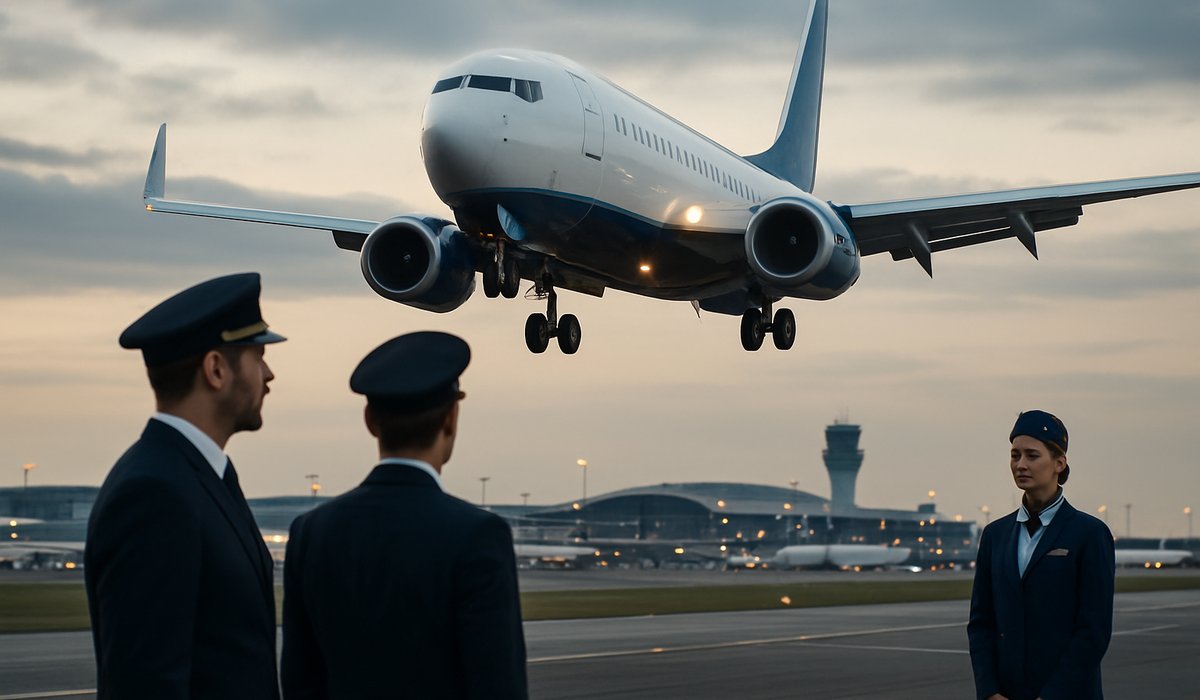
Image generated by AI
Five Global Military Airspace Corridors Set to Experience Peak Traffic Congestion in 2026
Strategic military operations and geopolitical tensions reshape flight patterns across conflict zones and domestic U.S. bases
Military Aviation Activity Surges Amid Global Instability
The world's busiest military airspace corridors in 2026 reveal a complex picture of global security priorities, with traffic concentrations directly reflecting active armed conflicts, humanitarian emergencies, and sustained military deployments across multiple continents. Analysis of anticipated military flight operations indicates that congestion in these restricted airspace zones will intensify, driven by operational demands and geopolitical flashpoints that show no signs of de-escalation.
Domestic U.S. Bases Dominate Traffic Patterns
Contrary to widespread assumptions that maximum military air traffic concentrates in conflict-affected regions, significant congestion occurs within continental United States airspace. The densest corridors connect overlapping operational zones serving U.S. Air Force, Navy, and Marine Corps installations, where coordinated training exercises, personnel rotations, and equipment movements generate sustained high-volume flight activity. The Pentagon maintains institutional policies restricting public disclosure of detailed flight schedules across virtually all military airfields, though the Department of Defense does release annual aggregate activity projections that provide crucial transparency regarding operational scope.
Global Conflict Zones Intensify Military Flight Operations
Beyond domestic airspace, military aviation corridors serving Middle Eastern, Eastern European, and Indo-Pacific theaters experience pronounced traffic increases, correlating directly with sustained military assistance missions, humanitarian airlift operations, and forward-positioned force deployments. These regions account for substantial portions of international military aviation activity, with transport and tactical aircraft operating at elevated operational tempos.
Strategic Implications for Commercial Aviation
The expansion of military airspace utilization carries meaningful consequences for civilian aviation networks. Restrictions imposed on commercial flight corridors, increased coordination requirements between military and civilian air traffic control systems, and potential delays stemming from military priority routing represent persistent operational challenges for international airlines navigating these contested zones.
What Lies Ahead
Military aviation authorities across allied nations continue refining traffic management protocols to accommodate heightened operational requirements while maintaining safety standards. The 2026 projection period reflects an environment where sustained geopolitical tensions and regional instabilities will continue shaping military flight patterns globally.
FAQ: Understanding Military Airspace and Aviation Operations
What determines the busiest military airspace corridors worldwide? Military air traffic concentration correlates with active geopolitical conflicts, humanitarian missions, and the geographic location of major military installations. The U.S. maintains particularly dense domestic corridors connecting Air Force, Navy, and Marine Corps bases.
How does military airspace activity affect commercial aviation? Military operations can restrict civilian flight corridors, require air traffic coordination, and occasionally cause delays as commercial aircraft navigate around priority military operations and restricted zones.
Why doesn't the Pentagon publish detailed military flight schedules? Operational security and defense protocols prevent public disclosure of granular flight scheduling information. However, annual activity estimates provide transparency regarding overall operational volume.
Which global regions show the highest military aviation growth? Middle Eastern, Eastern European, and Indo-Pacific theaters demonstrate sustained increases in military flight operations, driven by regional conflicts and strategic deployments.
How are air traffic controllers managing increased military congestion? Modern coordination protocols and integrated air traffic management systems enable better integration between military and civilian operations, though challenges persist in congested airspace zones.
Related Travel Guides
External Resources
Disclaimer
This article is for informational and educational purposes only. It does not constitute legal, financial, or professional advice. While we strive to provide accurate and up-to-date information, travel policies, regulations, and conditions change rapidly. Always verify information with official sources before making travel decisions. Nomad Lawyer makes no representations about the accuracy, reliability, completeness, or suitability of the information provided. Readers should consult qualified professionals for advice specific to their circumstances. The views expressed in this article are those of the author and do not necessarily reflect the views of Nomad Lawyer.
Kunal K Choudhary
Co-Founder & Contributor
A passionate traveller and tech enthusiast. Kunal contributes to the vision and growth of Nomad Lawyer, bringing fresh perspectives and driving the community forward.
Learn more about our team →