
Thailand Implements Strict New Tourist Conduct Measures 2026: Zero-Tolerance for Public Misconduct
Thailand has unveiled a comprehensive new regulatory framework to enforce international visitor behavior, including zero-tolerance for public indecency and enhanced digital surveillance.

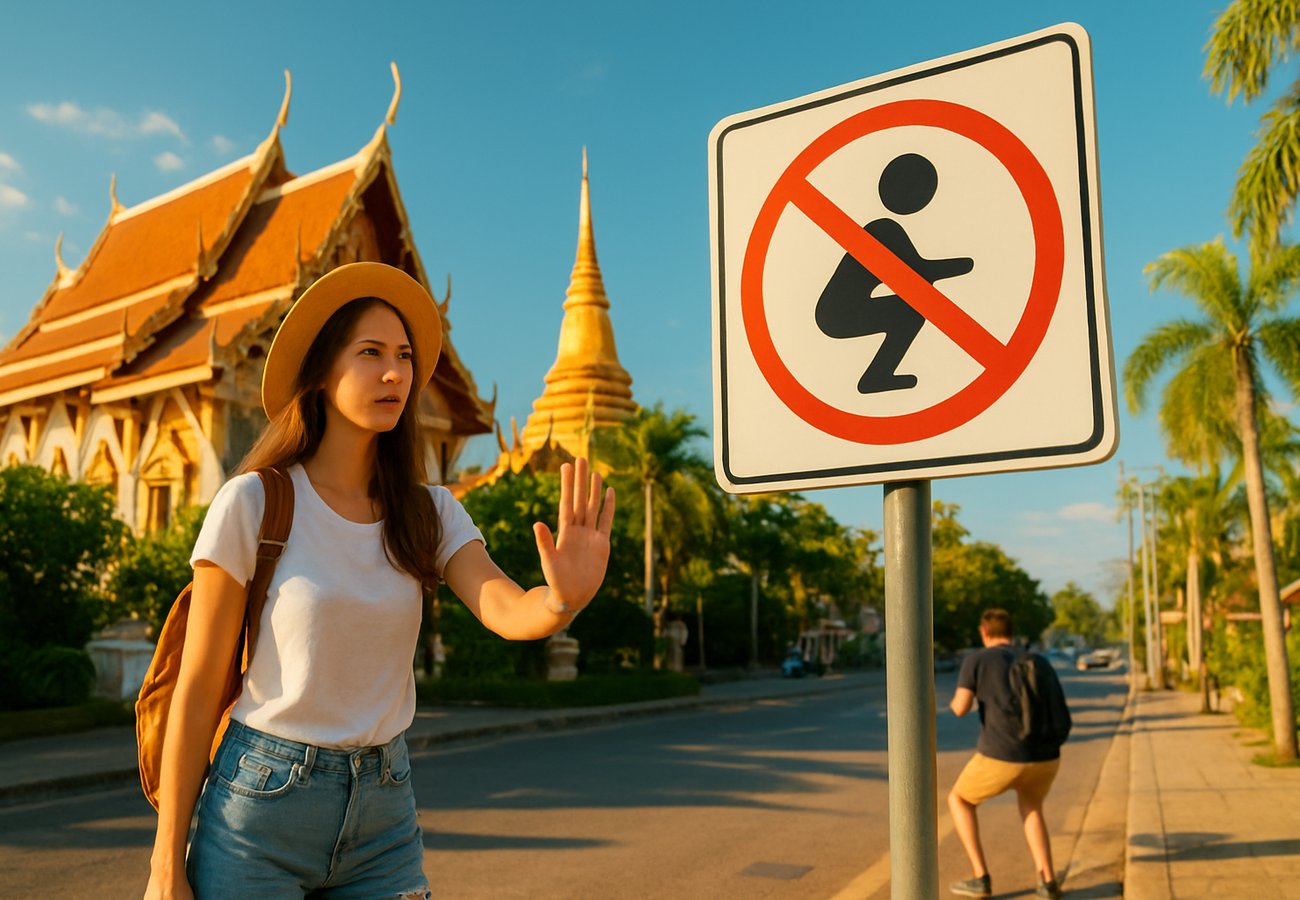
Image generated by AI
Quick Summary
- Enforcement Mandate: Thailand has launched a comprehensive new oversight strategy to regulate tourist behavior and uphold cultural integrity.
- Zero-Tolerance Policy: A strict zero-tolerance approach has been adopted toward public indecency and disrespectful conduct in tourism zones.
- Physical Patrols: Increased law enforcement presence in sensitive areas, including public beaches, parks, and nightlife districts.
- Digital Surveillance: Expansion of CCTV and digital monitoring networks in major hubs to deter misconduct and gather legal evidence.
- Airport Briefings: Mandatory educational campaigns introduced at Suvarnabhumi and Phuket International Airports via brochures and digital signage.
- Strict Penalties: Violators face immediate fines, deportation, or permanent blacklisting from the kingdom.
- Private Sector Role: Local business owners (hotels, bars, clubs) are now required to monitor premises and intervene in cases of inappropriate behavior.
- Source: Thailand Ministry of Tourism and Sports official regulatory update as of May 7, 2026.
Thailand has officially implemented a sweeping new regulatory framework to manage and enforce international visitor conduct, prioritizing the preservation of its cultural integrity and social order. Released on May 7, 2026, by the Ministry of Tourism and Sports, the measures introduce a zero-tolerance policy toward public indecency and disrespectful behavior following a series of high-profile incidents. The strategy integrates increased physical patrols in coastal and urban hotspots with enhanced digital surveillance and mandatory educational briefings at primary entry points such as Suvarnabhumi and Phuket International Airports. By empowering local businesses to intervene and threatening violators with immediate fines, deportation, or permanent blacklisting, the Thai government is signaling a definitive shift toward a "quality over quantity" tourism model that demands mutual respect between global guests and the host nation.
Thailand Tourist Conduct Framework 2026: Enforcement Measures and Penalty Scale
The following table summarizes the new oversight measures and the associated legal consequences for behavioral infractions.
| Enforcement Category | Operational Actions | Potential Penalties |
|---|---|---|
| Public Decency | Physical patrols & Zero-tolerance | Fines & Immediate Deportation |
| Site Respect | Increased temple/shrine monitoring | Site ban & Legal prosecution |
| Nightlife Conduct | CCTV expansion & Undercover units | Business closure & Blacklisting |
| Environmental | Strict littering/vandalism policing | On-the-spot fines |
| Digital Evidence | Facial recognition & CCTV audit | Evidence-based blacklisting |
| Entry Education | Mandatory airport briefings | Non-compliance warnings |
Zero-Tolerance Policy: Addressing Public Indecency and Misconduct
The core of the 2026 initiative is the elimination of inappropriate public displays:
- Cultural Sensitivity: The government has emphasized that while Thailand is a welcoming destination, public intimacy and nudity are strictly prohibited under national law.
- Social Media Catalyst: Recent viral videos of tourist misconduct have accelerated the rollout of these measures to protect the country's "family-friendly" reputation.
- Immediate Action: Law enforcement has been granted broader powers to intervene in situations deemed offensive to local social values.
Physical Oversight: Increased Patrols in Coastal and Sensitive Zones
A visible deterrent is being deployed across the kingdom’s most popular destinations:
- Beachfront Policing: Dedicated units are patrolling beaches in Pattaya, Phuket, and Koh Samui to monitor conduct and attire.
- Urban Hotspots: Increased police presence in areas known for high-traffic nightlife to ensure that celebration remains within legal boundaries.
- Hospitality Training: Cultural sensitivity training is being mandated for hotel staff and tour operators to help bridge the gap between global norms and Thai expectations.
Digital Surveillance: Expanding CCTV Networks in Tourism Hubs
Technology is playing a pivotal role in the new conduct strategy:
- Enhanced Coverage: The expansion of high-definition CCTV networks provides seamless monitoring of areas where incidents have previously been reported.
- Deterrence Tool: Facial recognition and digital surveillance are intended to serve as both a deterrent and a tool for gathering evidence during legal proceedings.
- Privacy Balance: Officials maintain that the surveillance is focused solely on public order and the safety of both residents and visitors.
Educational Mandate: Mandatory Briefings at Suvarnabhumi and Phuket Airports
Prevention through education is a primary goal at the country’s gateways:
- Information Distribution: Every traveler entering through major international airports will receive brochures and digital notifications regarding local laws.
- Digital Signage: Screens at baggage claim and immigration are now displaying multi-lingual guidelines on appropriate behavior and dress codes.
- Mobile Alerts: The "Thailand Travel" app now includes push notifications for behavior expectations when visitors enter specific zones like temples or historical parks.
Private Sector Collaboration: The Role of Hotels and Entertainment Venues
Business owners are being integrated into the national enforcement chain:
- Premises Monitoring: Bars, clubs, and hotels are encouraged to intervene when behavior on their property is deemed inappropriate.
- Direct Reporting: A new direct-line system has been established for business owners to contact tourist police for behavioral violations.
- Reputation Management: The private sector recognizes that maintaining national standards is vital for attracting high-value travelers and families.
Policy Shift: Prioritizing Quality Tourism and Cultural Integrity
The Thai government is recalibrating its long-term tourism economic model:
- Quality Over Quantity: The administration has signaled that economic gain will not be prioritized over social order or the protection of cultural heritage.
- Meaningful Engagement: Enforcing stricter rules aims to attract visitors who are willing to engage with the country in a respectful and culturally immersive way.
- Sustainability: Reducing the social friction caused by misconduct ensures a more sustainable and harmonious relationship between locals and tourists.
Future Regulations: Conduct Bonds and Stricter Visa Requirements
Even more stringent measures are currently under discussion for 2027:
- Conduct Bonds: A proposal to implement a "conduct bond" for certain categories of visitors that would be forfeited in the event of a legal violation.
- Visa Refinement: Stricter requirements for long-term stayers or those visiting specific high-traffic zones.
- Regional Influence: Thailand’s approach is being closely monitored by other Southeast Asian nations facing similar challenges with viral social media and over-tourism.
Conclusion: Protecting Thailand’s Heritage for the Respectful Traveler
The May 7, 2026, regulatory update confirms that Thailand is taking a decisive stand on the future of its tourism identity. By implementing zero-tolerance policies, enhanced surveillance, and mandatory airport education, the kingdom is ensuring that its beauty remains accessible while its culture stays protected. The move toward a disciplined, quality-focused tourism model ensures that Thailand remains a safe and respectful destination for families and global guests alike. As the new measures take effect, the message to the international community is clear: the kingdom remains a land of smiles, provided those smiles are offered with the mutual respect and decorum that Thai heritage demands.
FAQ: Thailand Tourist Conduct Rules 2026
What are the penalties for public indecency in Thailand under the new rules? Violators can face immediate fines, deportation, or permanent blacklisting from the country.
Are there dress codes for visiting temples in Thailand? Yes, respectful and modest attire is mandatory at all religious and historical sites. Educational briefings at airports provide specific guidelines.
How is the government monitoring tourist behavior in 2026? Monitoring is conducted through increased physical patrols in key zones and an expanded network of high-definition CCTV surveillance.
Related Thailand Tourism News
Disclaimer
This article is for informational and educational purposes only. It does not constitute legal, financial, or professional advice. While we strive to provide accurate and up-to-date information, travel policies, regulations, and conditions change rapidly. Always verify information with official sources before making travel decisions. Nomad Lawyer makes no representations about the accuracy, reliability, completeness, or suitability of the information provided. Readers should consult qualified professionals for advice specific to their circumstances. The views expressed in this article are those of the author and do not necessarily reflect the views of Nomad Lawyer.
Kunal K Choudhary
Co-Founder & Contributor
A passionate traveller and tech enthusiast. Kunal contributes to the vision and growth of Nomad Lawyer, bringing fresh perspectives and driving the community forward.
Learn more about our team →